THC and CBD: What’s the Difference?
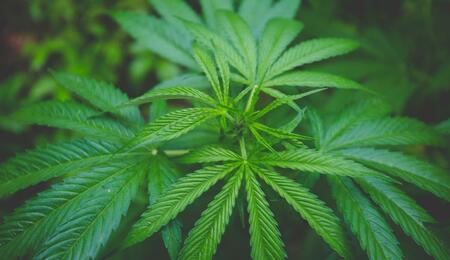
CBD and THC are the two most abundant cannabinoids in cannabis, sharing the same origin but producing very different effects in the body.
CBD and THC are the two best-known compounds found in cannabis, yet they are often confused with one another. CBD is best known for its non-intoxicating effects, while THC is responsible for the classic cannabis “high.” Although both are produced by Cannabis sativa, they interact with the body’s endocannabinoid system in very different ways, resulting in distinct effects on the body, the mind, and even the law. Here’s what you need to know before choosing between them.
THC and CBD both engage with the body’s internal endocannabinoid system, but their differing biochemical profiles change the entire experience.
The Molecular Mirror: Identical Formulas, Different Shapes
The answer begins with something surprisingly small: the shape of each molecule.
At first glance, THC and CBD look like chemical twins. Both share the exact same molecular formula: C₂₁H₃₀O₂. They possess identical atomic weights and are composed of 21 carbon atoms, 30 hydrogen atoms, and 2 oxygen atoms.
However, the crucial difference lies in their structural biochemistry:
- THC contains a closed cyclic ring.
- CBD features an open ring structure with a hydroxyl (OH) group.
This structural variation changes the three-dimensional shape of the molecule. Because molecular shape dictates how a compound interacts with receptors in the human body, this microscopic difference determines whether or not a cannabinoid induces a psychoactive “high.”
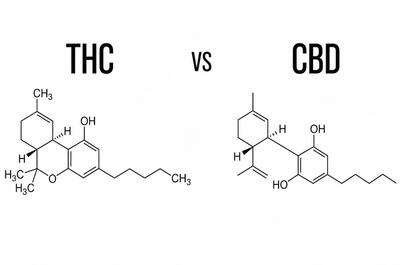
THC and CBD share the same molecular formula, but their different three-dimensional structures determine how they interact with the body’s receptors and why only THC produces an intoxicating high.
The CB1 Receptor, Anandamide, and How THC Causes High
To understand why THC causes intoxication and CBD does not, we must look at the brain’s CB1 receptors, which are highly concentrated in the central nervous system.
In a sober state, your CB1 receptors interact with endogenous cannabinoids (endocannabinoids) produced naturally by your body. The most prominent of these is anandamide, often called the “bliss molecule.” Anandamide regulates pleasure, motivation, appetite, and reward pathways. It is also the chemical responsible for the euphoria sometimes experienced after intense exercise, commonly known as a “runner’s high.”
Because of its specific cyclic ring structure, THC’s shape mimics anandamide so perfectly that it fits directly into the CB1 receptor like a key into a lock. When THC binds to and activates these receptors, it overstimulates the brain’s reward system, altering dopamine signaling and causing the classic psychoactive “high.”
Conversely, because of its open hydroxyl group, CBD cannot bind directly to the CB1 receptor. Its physical shape prevents it from locking in, which is why consuming pure CBD will never cause intoxication.
Beyond the High: How CBD Impacts the Body
If CBD doesn’t bind to CB1 receptors, how does it work? CBD acts as an exceptionally versatile modulator, interacting with various other receptor pathways throughout the nervous and immune systems:
- Serotonin Receptors: CBD appears to activate or positively modulate 5-HT1A serotonin receptors, which may help explain why it’s being investigated for a range of anxiety-related conditions.
- Inflammatory Response: Clinical and animal studies suggest that CBD downregulates certain inflammatory proteins, making it a popular choice for managing localized discomfort and skin sensitivity.
- Anxiety Modulator: Clinical trials, including one widely cited study evaluating social anxiety during public speaking, have shown that subjects given CBD reported significantly lower anxiety and cognitive impairment compared to those given a placebo.
Furthermore, while high doses of THC can sometimes aggravate feelings of paranoia or psychotic symptoms in vulnerable users, CBD possesses certain antipsychotic and anxiolytic properties that may help ground the user.
How CBD Changes the THC Experience
What happens when you consume both cannabinoids simultaneously? The answer lies in a pharmacological phenomenon known as allosteric inhibition.
CBD acts as a negative allosteric modulator of the CB1 receptor. Instead of sitting inside the receptor’s primary binding site, CBD docks on the outside edge. This physical presence changes the actual shape of the CB1 receptor, making it harder for THC to bind effectively.
In practical terms, CBD acts as a built-in buffer against the intensity of THC:
- High THC, Low CBD (e.g., 20% THC, 0.1% CBD): Without CBD interference, THC binds freely to your CB1 receptors, leading to a potent, uninterrupted psychoactive experience. If you ever find yourself feeling overwhelmed by a high-THC product, understanding how to manage your intake is key.
- Balanced Ratio (e.g., 25% THC, 12% CBD): The high concentration of CBD alters the CB1 receptors. THC is partially blocked from binding, often reducing the intensity of the high, minimizing the risk of any paranoid thoughts, and smoothing out the overall experience.
Cannabis produces more than 100 known cannabinoids, but THC and CBD remain the two most researched, and perhaps the most misunderstood as well. Video source: Healthy Canadians via YouTube
Why the Legal Difference Matters
In the United States, the biggest legal distinction between CBD and THC isn’t actually the compounds themselves. It’s where they come from.
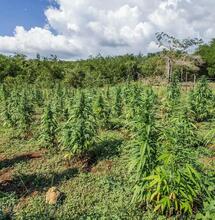
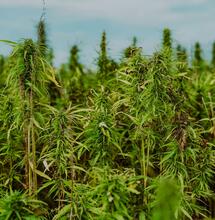
The 2018 Farm Bill legalized hemp, defined as cannabis containing no more than 0.3% THC by dry weight. Hemp-derived CBD products quickly appeared everywhere, from pharmacies to gas stations and supermarkets. Marijuana, however, remains federally illegal, even though many states now permit it for medical or adult recreational use.
That legal split also changes how products are sold. Licensed dispensaries in legal cannabis states must provide laboratory-tested labels showing exactly how much THC and CBD a product contains, giving consumers a much clearer picture of what they’re buying. Outside those regulated markets, product quality and cannabinoid content can vary considerably.
In the end, CBD and THC may come from the same plant, but they play by very different legal rules. Before purchasing either, it’s worth checking both the label and the laws where you live, because the difference between hemp and marijuana can matter just as much as the difference between CBD and THC.
Read more from Soft Secrets:
Disclaimer: The information provided in this article is for educational and informational purposes only and is not intended as medical advice. The Food and Drug Administration (FDA) has not approved non-prescription CBD or THC products to treat, cure, or prevent any disease. Always consult with a qualified healthcare professional before starting any new cannabinoid regimen, especially if you take prescription medications.
S
Soft Secrets