Curaleaf Battles Aurora Cannabis in Hostile Takeover Bid

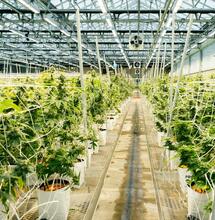
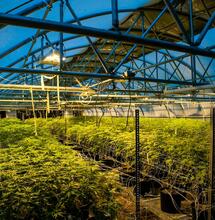
Curaleaf’s direct tender offer to Aurora shareholders has sparked an intense regulatory battle over global market consolidation. Photo by Jason Briscoe on Unsplash
Commercial cannabis is currently witnessing one of its largest corporate showdowns. US multi-state operator Curaleaf Holdings launched an unsolicited takeover bid for Canadian producer Aurora Cannabis, setting off a high-stakes battle over global market dominance, debt loads, and shareholder value.
If completed, the proposed merger would create the world’s largest cannabis enterprise, generating over 1.5 billion dollars in annual revenue across 17 countries. However, opposition from Aurora’s board of directors and active regulatory filings have turned this proposal into a public corporate feud.
The Anatomy of the Offer
Reportedly, Curaleaf bypassed Aurora’s executive board to take its proposal directly to shareholders. The tender offer values Aurora common shares at 4.00 dollars per share, consisting of 0.3463 shares of Curaleaf stock plus 0.75 dollars in cash per share.
Curaleaf pitched the offer as a 45 percent premium over Aurora’s unaffected 30 day average price. According to Curaleaf management, combining forces offers Aurora investors immediate upside in a massive, diversified platform with strong footprints in both the US market and expanding European medical sectors like Germany. Curaleaf claims the consolidation would unlock at least 40 million dollars in annual cost synergies.
Why Aurora Is Fighting Back
Aurora’s board unanimously rejected the acquisition offer, urging shareholders to take no action and reject the tender. Aurora CEO Miguel Martin framed the move as an opportunistic attempt to acquire valuable assets on the cheap while pressuring shareholders into a short-term decision.
Aurora’s main counterarguments center on balance sheet strength:
- Debt Concerns: Aurora leadership highlighted Curaleaf’s heavy debt burden, pointing out that absorbing over 1 billion dollars in total liabilities could create severe financial risks for investors.
- Underappreciated Value: Aurora maintains that its balance sheet remains strong, featuring over 140 million dollars in cash and high margin medical export channels into Europe and Australia that the current bid fails to value accurately.
Regulatory Escalation over ATM Share Issuances
The conflict reached regulatory halls when Curaleaf filed an application with the Alberta Securities Commission seeking an expedited order to block Aurora’s At The Market (ATM) share program.
Curaleaf alleges that Aurora has been issuing new equity into the open market during the takeover window, diluting current shareholders by nearly 5 percent and raising the total cost to complete the transaction by more than 11 million dollars. Curaleaf CEO Boris Jordan publicly questioned why a company claiming to have ample cash would dilute its owners below the offer price, calling the strategy a management defense tactic.
Aurora swiftly refuted the claims, labeling the regulatory complaint a distraction intended to shift focus away from Curaleaf’s debt load and lowball valuation. Aurora insists that its share issuance facility will only be used when the board deems it beneficial to long term corporate growth.
What This Means for the Global Cannabis Market
The hostile campaign for Aurora Cannabis seems to mark the arrival of advanced institutional-level corporate maneuvering. As legal frameworks evolve all around, dominance may no longer belong simply to who can build the most cultivation space.
Major operators are certainly eager to secure EU-GMP certified production capacity and international distribution channels to dominate emerging legal markets, especially across Europe.
Moving forward, market leaders will be defined by capital efficiency, international medical access, and the ability to navigate complex cross-border consolidations. One cannot but wonder whether this showdown is the first of many structural shakeups coming to the commercial weed sector.
Read more from Soft Secrets:
Denver’s Regulatory Lag: Why Hazardous Cannabis Products Linger on Store Shelves
5 Years of Legal Cannabis in Alabama, Just One Dispensary to Show for It
Disclaimer: This content is published solely for informational and/or educational purposes. It does not constitute medical, legal, or professional advice. Readers should consult with appropriate healthcare or legal professionals and ensure compliance with all applicable local laws and regulations.
S
Stephen Andrews