Hemp Plant vs. CBD Plant: Understanding the Difference
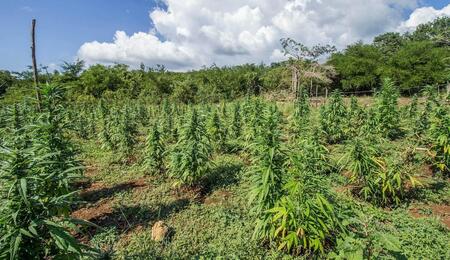
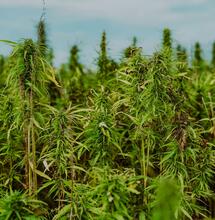
Hemp plants can grow up to 15 feet tall in just 100 days, making them one of the fastest-growing natural fibers on Earth.
Navigating cannabis terminology can quickly get confusing. With labels like hemp, marijuana, CBD oil, and cannabis used interchangeably, many people may wonder: Is a CBD plant different from a hemp plant?
The short answer is no. There is no distinct botanical species called a “CBD plant.” CBD oil is typically extracted from high-CBD cultivars of the hemp plant. Understanding how these terms relate comes down to some basic botany, chemistry, and legal definitions.
The Botany: One Species, Different Cultivars
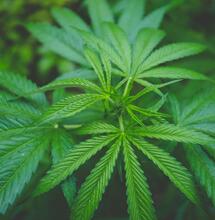
From a botanical perspective, both hemp and marijuana belong to the exact same plant species: Cannabis sativa L.
Rather than being separate species, hemp and marijuana are different cultivars (cultivated varieties) bred for specific purposes:
- Industrial Hemp: Bred for tall, strong stalks and seed production. It is widely used in textiles, paper, construction materials, and food products.
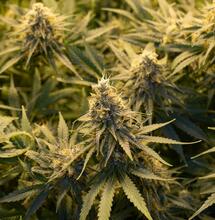
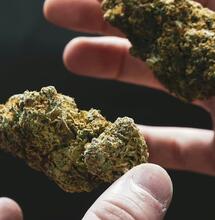
- High-CBD Hemp: Bred specifically to produce dense female flowers rich in cannabidiol (CBD) while maintaining legally compliant THC levels.
- High-THC Cannabis (Marijuana): Bred primarily for higher concentrations of tetrahydrocannabinol (THC), the psychoactive compound responsible for the “high.”
Cannabinoids like CBD and THC are produced in the tiny resin glands (trichomes) found mostly on the unpollinated female flowers (buds) of the plant, rather than the leaves or stalks.
The Legal Difference: The 0.3% THC Threshold
Because hemp and marijuana belong to the same species, the distinction between them is primarily legal rather than biological.
In many jurisdictions, including the United States and parts of Europe, hemp is legally defined as any Cannabis sativa L. plant that contains no more than 0.3% Delta-9 THC by dry weight.
- Industrial & High-CBD Hemp
- Botany: Cannabis sativa L.
- Primary Cannabinoids: High CBD, trace amounts of THC
- Legal Limit: 0.3% Delta-9 THC or less (dry weight)
- Effects: Non-intoxicating
- Marijuana / Adult-Use Cannabis
- Botany: Cannabis sativa L.
- Primary Cannabinoids: High THC, variable CBD
- Legal Limit: Exceeds 0.3% Delta-9 THC (dry weight)
- Effects: Intoxicating
How CBD Oil Is Produced
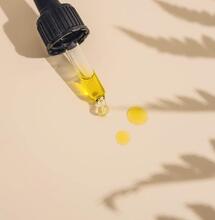
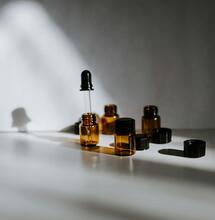
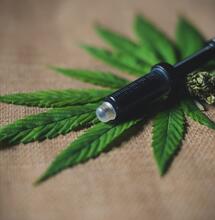
When companies produce CBD products, they harvest high-CBD hemp flowers and extract the cannabinoid-rich resin using methods such as CO2 extraction or ethanol extraction. The resulting extract is then refined and blended into carrier oils (like hemp seed oil or MCT oil), tinctures, topicals, or capsules.
Summary
When talking about these plants, hemp remains the accurate botanical and legal term. Although crops tailored for oil extraction are casually called “CBD hemp,” botany recognizes no unique “CBD plant.” These are simply high-CBD cultivars of Cannabis sativa L. developed to maximize cannabidiol content while maintaining legal THC compliance.
Read more from Soft Secrets:
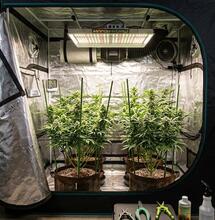
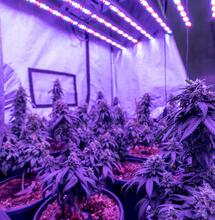
Disclaimer: Cannabis cultivation laws vary by region. Readers are advised to check and comply with the regulations applicable in their local jurisdiction before cultivating cannabis.
S
Soft Secrets