What You Need to Know about Marijuana for Pain

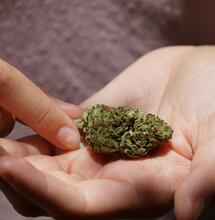
In states where medical cannabis is legal, roughly 30% of adults with chronic pain report using marijuana to relieve their symptoms, with many using it to replace traditional pain medications. Photo by Khoa Tran on Unsplash
Pain is the single most common reason people turn to medical cannabis. Whether it is an aching back, a chronic joint condition, or nerve discomfort that makes sleeping impossible, millions of people look to the plant as an alternative or supplement to conventional pain medications.
However, walking into a dispensary or searching online can quickly get overwhelming. Between confusing strain names, different delivery methods, and endless product types, finding what actually works requires knowing a few basics.
Here is what you need to know about how marijuana addresses pain, how to choose the right products, and how to get relief safely.
1. How Cannabis Talks to Your Body’s Pain System
Your body actually comes equipped with its own internal network designed to keep things balanced, including how you feel pain. That is the endocannabinoid system, which uses natural receptor sites scattered throughout your brain, nervous system, and immune cells.
When you consume cannabis, compounds like THC and CBD step in to interact with these receptors:
- THC tends to alter how the brain perceives pain. It reduces the intensity of pain signals while relaxing muscles and helping with sleep.
- CBD works more in the background. It helps ease physical inflammation and calms nervous system activity without producing an intoxicating high.
Working together, these compounds create what researchers call a “synergistic effect,” meaning a balanced mix of cannabinoids that can often provide somewhat stronger relief than taking an isolated compound on its own.
2. Matching Cannabis to Your Specific Type of Pain
Pain comes in many forms, and cannabis interacts with different types of discomfort in distinct ways:
- Inflammatory and Physical Pain (Nociceptive): This includes joint stiffness, muscle soreness, arthritis, and physical injuries. For localized physical aches, products high in CBD or balanced THC:CBD blends generally work well to ease swelling and soothe sore tissues.
- Nerve Pain (Neuropathic): Tingling, burning, or sharp sensations caused by damaged nerves (like sciatica or neuropathy) are notoriously hard to treat with standard painkillers. Small, consistent doses of THC combined with CBD are often effective at dialing down overactive nerve signals.
- Central or Widespread Pain: Conditions like fibromyalgia or chronic daily discomfort affect how the central nervous system processes signals. Low-dose, long-lasting options (like tinctures or mild edibles) may help maintain steady, all-day relief.
3. Forget “Indica vs. Sativa” – Focus on Ratios and Aroma
For a very long time, people have been told that “indica” strains treat body pain while “sativa” strains give you energy. Which is fine, but a bit too general a view, so to speak. New strains created with advanced cross-breeding methods mean those labels largely describe how the plant grows, and less how it makes you feel.
Instead of relying on strain labels, it is better to focus on these two factors:
Cannabinoid Ratios
- 1:1 (Equal THC to CBD): The sweet spot for many pain sufferers. You get solid physical relief and anti-inflammatory benefits, while the CBD tones down the strong intoxicating effects of the THC.
- High CBD, Low THC (10:1 or 20:1): Ideal for daytime use, work hours, or anyone who wants pain relief without feeling high or impaired.
- High THC: Best saved for severe nighttime pain, deep muscle spasms, or when sleep is the primary goal.
Terpenes (Plant Aromas)
The essential oils that give cannabis strains their unique smell also play a role in pain relief. Look for strains or products featuring:
- Myrcene (earthy, herbal aroma) – known for deep body relaxation and muscle ease.
- Caryophyllene (peppery, spicy aroma) – excellent for targeting physical inflammation.
- Linalool (floral, lavender aroma) – helps soothe tension and stress that can worsen pain.
Many patients living with chronic conditions are turning to medical marijuana as an “opioid-sparing” therapy, allowing them to significantly reduce or eliminate their reliance on prescription pain medications. Source: Howcast via YouTube
4. Choosing the Right Delivery Method
How you consume cannabis determines how quickly relief sets in and how long it lasts:
- Topicals (Creams, Balms & Lotions)
- Onset: 10–15 minutes | Duration: 2–4 hours
- Best for: Localized joint pain, sore muscles, and arthritis. As topicals are absorbed through the skin, they deliver target relief directly to the spot without causing any intoxicating head high.
- Inhalation (Vaping & Smoked Flower)
- Onset: 1–5 minutes | Duration: 1–3 hours
- Best for: Sudden flare-ups, acute pain, and fast nighttime relief. Fast-acting inhalation lets you feel the effects almost immediately, making it easy to gauge when you’ve had enough.
- Sublinguals (Tinctures & Drops)
- Onset: 15–30 minutes | Duration: 4–6 hours
- Best for: Steady daytime pain management. Placed under the tongue, liquid drops absorb directly into the bloodstream, offering quick onset and precise droplet-by-droplet dosing.
- Edibles (Gummies, Capsules & Chocolates)
- Onset: 45–90 minutes | Duration: 6–8 hours
- Best for: All-night relief and long-term chronic pain. Because edibles are processed through the digestive system, they take longer to kick in, but deliver the longest-lasting body relief.
5. Simple Rules for Safe Pain Relief
While cannabis is widely considered safe, following a few basic ground rules will help you find effective relief while avoiding unwanted side effects.
- Start Low, Go Slow: If you are new to THC, start with a low dose (2.5 mg to 5 mg) and wait at least two hours before taking more.
- Note Down Effects: Track what ratio, dose, and format you took, along with how your pain levels changed. Finding your ideal routine may take a little experimentation.
- Talk to Your Doctor: If you are currently taking prescription blood thinners, sedatives, or heart medications, check with a healthcare professional to avoid potential drug interactions.

Pairing the right plant compounds with the right delivery method gives you a much safer, more predictable way to manage everyday pain. Photo by Jasmine Rodriguez on Unsplash
Frequently Asked Questions About Cannabis for Pain
Q: Will medical cannabis get me high if I just want pain relief?
A: Not necessarily. Using CBD-dominant products, topical creams, or micro-doses of THC can deliver significant physical relief without causing an intoxicating head high.
Q: Can I use cannabis creams for deep joint or nerve pain?
A: Topicals work exceptionally well for surface-level muscle aches, stiff fingers, and localized joint pain. However, for deep nerve issues or widespread body pain, an internal option like a tincture or edible is usually required.
Q: Why does a dose that worked yesterday feel different today?
A: Factors like what you ate, hydration levels, sleep quality, and baseline stress all influence how your body processes cannabinoids on any given day.
Q: Is it safe to combine cannabis with my current pain medication?
A: Many people use cannabis to reduce their reliance on over-the-counter or prescription painkillers, but you should always consult a medical professional before adjusting or combining treatments.
Q: Is it better to take cannabis before the pain spikes or after?
A: Preventive dosing is usually much more effective. Taking a low, long-lasting dose (like a tincture) on a schedule helps keep baseline inflammation down, making sudden pain flare-ups far easier to manage.
Q: Will I build up a tolerance to medical marijuana over time?
A: Yes, regular use of THC can build tolerance over time. You can easily manage this by incorporating CBD into your routine, taking brief 48-hour “micro-breaks,” or keeping your THC dose as low as possible.
Q: Can cannabis replace prescription opioids or NSAIDs for pain?
A: Many patients successfully reduce or replace standard painkillers with cannabis, but it shouldn’t be stopped cold turkey. Any transition away from prescription medications should be done gradually and under a doctor’s guidance.
Read more from Soft Secrets:
Disclaimer: Content published here is strictly for informational purposes and should not replace professional medical or legal advice.
S
Stephen Andrews