Can a Breathalyzer Really Prove You Are High?
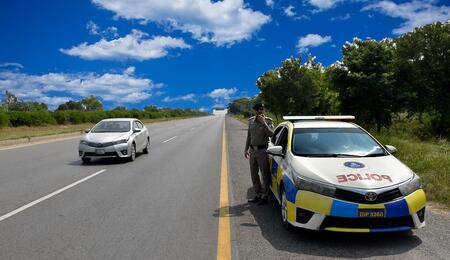
Unlike alcohol testing, roadside cannabis breathalyzers measure microscopic trace particles, making true impairment difficult to prove. Photo by Jaffar Nasir from Pixabay
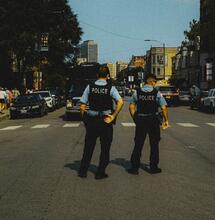
Law enforcement officers around the world have long relied on roadside alcohol breathalyzers. Drivers blow into a handheld tube, the device reads the blood alcohol concentration in seconds, and a clear legal boundary determines whether someone is safe to drive. As cannabis legalization continues to expand globally, scientists and police agencies have tried to create a similar device for marijuana.
While roadside cannabis breathalyzers may sound like the ultimate safety tool, the technology is far more complex than alcohol testing. Getting to know how these devices work, where they fail, and why false positives remain a real concern helps consumers stay informed about their rights and road safety.
How Cannabis Breathalyzers Actually Work
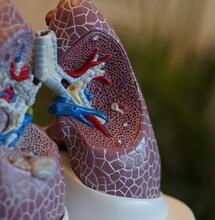
When someone consumes alcohol, ethanol enters the bloodstream and easily diffuses into exhaled breath in large amounts. Measuring alcohol in breath is simple because the concentration in your lungs directly correlates with the concentration in your blood.
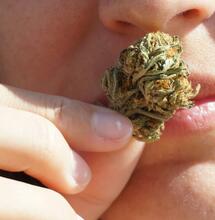
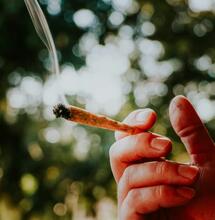
Cannabis behaves very differently inside the human body. Active THC does not vaporize into breath in large quantities. Instead, a THC breathalyzer tries to capture microscopic aerosol droplets exhaled from the lungs following inhalation. Because THC is present in tiny trace amounts, these breathalyzers must be immensely sensitive to detect anything at all.
Modern THC breathalyzers try to focus on capturing a short window of recent use, usually between one and three hours after smoking or vaping. The goal is to distinguish between someone who consumed cannabis an hour ago and someone who consumed it days or weeks prior.
The Problem with Proving Impairment
The biggest hurdle for roadside cannabis testing is the difference between presence and impairment. With alcohol, scientific consensus links higher breath levels directly to reduced motor skills. With cannabis, physical tolerance varies drastically from person to person.
A daily consumer might have detectable THC in their system while functioning normally, whereas an occasional consumer might feel significantly impaired with a tiny trace amount in their body. Furthermore, THC lingers in body fat and tissues long after the active high has faded. A breath test can confirm that cannabinoids are present in exhaled air, but it cannot definitively prove that a driver is currently unfit to operate a vehicle.
While alcohol breathalyzers measure parts per million (ppm), next-generation THC breathalyzers must detect active Delta-9-THC at parts per trillion (picograms per liter). Video source: CBS6 Albany on YouTube
The Risk of False Positives and Technical Margins of Error
In regions where roadside drug testing devices have been trialed or implemented, roadside screening tools have faced scrutiny over their reliability. Studies examining portable screening hardware, such as oral fluid and early breath sampling units, have shown notable rates of false positives and false negatives.
Several everyday factors can skew these sensitive electronic tests:
- Residual Mouth Contamination: Inhaling cannabis leaves microscopic particles along the tongue, teeth, and inner cheeks. A breath test taken shortly after smoking might measure residual oral residue rather than THC coming from deep within the lungs.
- Trace THC in Full-Spectrum Products: Full-spectrum CBD products, hemp foods, and non-psychoactive supplements often contain trace amounts of Delta-9-THC that can trigger sensitive chemical sensors, even if the user felt no psychoactive effects.
- Extreme Secondhand Exposure: Being present in a poorly ventilated room or vehicle with heavy secondhand cannabis smoke might deposit trace particles in the mouth and throat, potentially leading to a positive reading under severe exposure conditions.
- Temperature and Handling: Highly sensitive field equipment can malfunction when exposed to extreme cold or heat in a police cruiser, increasing the chance of an inaccurate result.
In legal jurisdictions using these devices, a positive roadside breath result is generally treated as a preliminary screen rather than absolute proof. Drivers are typically required to provide a secondary blood or saliva sample at a police station to confirm the exact cannabinoid concentration before any formal charges are filed. Therefore, this is something to insist on if you believe your inability to drive safely has been falsely assessed by a preliminary roadside device.
Final Thoughts
The promise of a quick, perfectly accurate cannabis breathalyzer remains more of a goal than a current reality. While technology is improving rapidly, roadside devices still struggle with the complex chemistry of plant cannabinoids and individual human metabolism.
Knowing your local traffic laws and practicing responsible timing remains the safest strategy. Because detection windows and legal limits vary widely across states and countries, leaving ample time between consuming cannabis and getting behind the wheel is always the best choice.
Read more from Soft Secrets:
Disclaimer: The information provided above is for educational and informational purposes only and should not be taken as legal or medical advice. Roadside drug testing regulations and driver rights vary by country and region. Readers should consult local traffic laws and qualified legal counsel regarding specific legal matters.
S
Soft Secrets