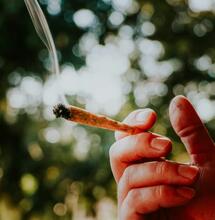
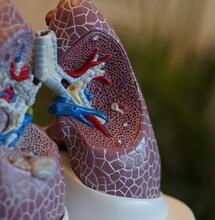
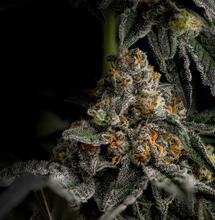
How To Smoke Weed and Keep Your Lungs Healthy
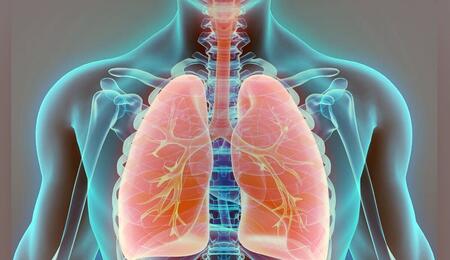
Cannabis smoke contains irritants similar to tobacco that can inflame the lungs.
Let’s keep it straightforward from the start: smoking is not good for your lungs. Inhaling any kind of smoke, including smoke from weed, could negatively impact your lungs’ health because particles released with combustion are never really good. But, is there anything you can do to clean out your lungs when you are an active smoker?
The Science of Cannabis Smoke: What the Research Says
Researchers have dug into the question of whether smoking cannabis could cause serious health problems, and the results are varied:
- Lung Cancer Risk: Some studies show regular cannabis users are as likely to get lung cancer as the average person, while others suggest a slight increase for “heavy tokers.”
- Lung Capacity: Another study on users smoking one joint a day for 20 years showed no signs of significant lung damage via spirometry data.
- The Tar Factor: Multiple studies confirm that cannabis smoke deposits tar in the lungs, which contains harmful chemicals similar to tobacco.
Understanding the Risks for Heavy Smokers
While the relationship between cannabis and lung cancer is still being debated, heavy smokers (those consuming several joints a day for many years) face specific risks:
- Loss of lung capacity for full, forced exhalations.
- Increased chances of chronic inflammation.
- Higher vulnerability to conditions like bronchitis, COPD, or asthma.
How Consumption Methods Impact Lung Hygiene
Knowing the advantages and disadvantages of different delivery methods can help you assess risks:
Vaporization vs. Combustion
Vaporizers are generally considered a safer way to consume cannabis. Unlike smoking, vapes use just enough heat to activate cannabinoids without blasting the herb with fire. This spares you from the “itchy burn” of hot plant matter and the toxins released from rolling papers and glue.
- Safety Note: Always choose recognized brands, as some oily compounds in low-quality e-liquids may trigger respiratory issues.
Joints, Pipes, and Lighters
A standard lighter burns at 1,470 to 2,190 degrees Fahrenheit. Passing this hot flame directly to your buds means taking in unfiltered, hot smoke that causes immediate irritation and tar build-up.
- Tip: Use natural, unbleached rolling papers or screens to reduce chemical exposure.
Bongs and Water Pipes
Water pipes cool the smoke and trap some contaminants. However, they are far from perfect.
- Tip: Use larger pieces to increase the distance between the flame and your mouth, and supplement with ice for extra cooling.
Dabbing Concentrates
Dabbing (e.g., BHO) uses a torch that makes the vapor much hotter than other methods.
- Tip: Use a water-based rig with crushed ice. If BHO is too harsh, CO2 extractions are often easier on the lungs.

Heavy, long-term cannabis smoking increases the risk of chronic cough and bronchitis.
The Importance of Lab-Tested, High-Quality Cannabis
Avoiding “schwag” or sketchy buds is vital for lung health. While the US legal market has expanded quality control, “lab-shopping” and fraud still occur from California to New York.
- Pesticides & Pollutants: Inhaling unknown chemicals can cause nasty coughs, throat irritation, and allergies.
- Regulation: Since late 2023, authorities (like those in CA) have been revoking licenses for labs faking results. Always buy from reputable dispensaries that provide COA (Certificate of Analysis) data.
How to Clean Your Lungs: Exercises and Habits
If smoking leaves “trash” behind, you can take measures to reduce the impact:
Why deep breathing matters
Lungs need movement. Shallow breathing traps toxins and stale air in the lower lung tissue. Deep breathing allows oxygen to travel all the way down, freshening the tissue and helping shake off tar build-up.
- Daily Movement: At least 20 minutes of brisk walking helps the lungs perform their natural cleaning job.
Targeted breathing exercises
- 4-7-8 Technique: Inhale for 4s, hold for 7s, exhale for 8s. Great for lung capacity and anxiety.
- Deep Belly Breathing: Focus on raising the navel and chest with slow 5-second inhalations and exhalations.
- Alternate Nostril Breathing: Block one nostril, inhale deep, then switch. This is soothing for the nervous system and exercises the lungs “left and right.”
Dietary Support and Herbal Lung Health
Adding specific herbs and foods can boost your system’s ability to handle smoke:
- Anti-inflammatory: Ginger, turmeric, and green tea.
- Antioxidants: Berries, leafy greens, tomatoes, and broccoli.
- Hydration: Lungs are roughly 83% water. Proper hydration is the best tonic for keeping mucus thin and moving.
- Beneficial Oils: Oregano oil and eucalyptus can support the immune system and respiratory pathways.
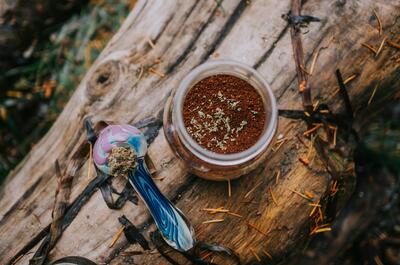
Switching to non-combustion methods reduces lung exposure to harmful byproducts.
FAQ: Marijuana Smoking & Lung Health
Q: Is smoking marijuana safe for the lungs?
A: No form of smoke is harmless. Combustion releases toxins that can damage lung tissue, and the more you smoke, the greater the potential harm.
Q: How can you improve your lung health if you smoke cannabis?
A: Reducing how often you smoke is the biggest step. Using lower-temperature methods, taking smaller puffs, and avoiding deep breath-holding can also reduce lung irritation. Staying hydrated and maintaining good overall fitness supports lung function as well.
Q: Is vaping cannabis safer for your lungs than smoking?
A: Vaporizing cannabis avoids combustion, which means fewer toxic byproducts compared to smoking. While vaping is generally considered less harsh on the lungs, it is not risk-free—especially with unregulated cartridges or additives.
Q: Does smoking cannabis cause chronic cough or bronchitis?
A: Frequent smoking can irritate the airways and lead to symptoms like coughing, wheezing, or excess mucus production. These effects are often reversible if smoking is reduced or stopped.
Q: Does holding in smoke make you more high?
A: No. Most THC is absorbed within seconds. Holding smoke in longer mainly increases exposure to irritants and carbon monoxide without significantly increasing effects.
Q: Are joints, pipes, or bongs better for lung health?
A: No method of smoking is truly “healthy,” but water filtration in bongs may cool smoke and reduce harshness. That said, it does not remove most harmful toxins produced by combustion.
Q: Can switching to edibles or tinctures help your lungs?
A: Yes. Non-inhaled methods like edibles, oils, or tinctures eliminate lung exposure altogether. However, they come with different onset times and dosing considerations.
Q: Does cannabis smoke affect non-smokers nearby?
A: Secondhand cannabis smoke contains fine particles and active cannabinoids that may affect pets and non-users, especially in enclosed spaces. Good ventilation and consideration of others are important.
Q: Does smoking marijuana increase the risk of lung cancer?
A: Cannabis smoke contains many of the same carcinogens as tobacco smoke, so some level of risk exists—especially with long-term, heavy use.
Q: Why don’t studies show the same cancer rates as tobacco?
A: Despite similar toxins, lung tumors appear less common among cannabis-only smokers. One theory is that THC may have anti-tumor effects, but this is based largely on lab and animal studies.
Q: Can cannabinoids help fight cancer?
A: Some early research suggests that cannabinoids like THC and CBD may have anti-tumor properties, but evidence in humans is still limited.
Q: Which cancers have been studied?
A: Lab studies have explored cannabinoid effects on brain, breast, lung, pancreatic, and other cancer types, with mixed and highly variable results.
Q: What does CBD research show?
A: Studies from Germany indicate that CBD may help limit the spread of lung cancer cells, leading researchers to suggest clinical trials—but these findings are not yet confirmed in humans.
Q: Are cannabinoids a cancer treatment?
A: No. Current evidence does not support cannabinoids as a standalone cancer treatment. More rigorous human clinical studies are needed before any conclusions can be drawn.
Final expert recommendations
If you are worried about your lung health, reach out to a healthcare professional. For active smokers, periodic screenings are recommended. Eat healthy, consume moderately, and stay updated on the latest research.
More from Soft Secrets:
Medical Disclaimer: This content provided in this article is for informational purposes only and does not substitute for professional medical advice, diagnosis, or treatment. Always seek the advice of your physician regarding a medical condition.
Last updated January 15, 2026
S
Soft Secrets