Cannabis Plant Nutrition for Each Stage of Growth and Development
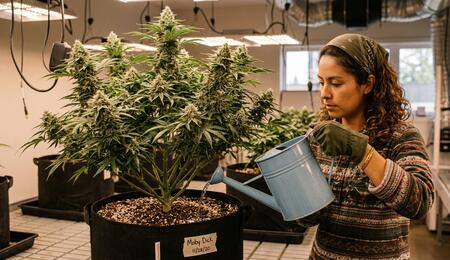
Cannabis plants require micro and macro nutrients in order to grow from delicate seedlings into mature, heavy yielding plants. If you are new to growing cannabis, then you may not be totally sure what nutrients to give your plants and at what stage.
In this guide, I will simplify and explain exactly what nutrients cannabis plants need during the seedling, vegetative, and flowering stages. Covering everything you need to know about macronutrients and micronutrients, breakdown the different stages of a cannabis plant's lifecycle, and highlight the reasons why you should flush your plants for the ultimate tasting crop!
What Are Micro and Macro Cannabis Nutrients?
Cannabis nutrients are the essential mineral elements plants need for healthy growth and development. They are available in organic and mineral-based formulations and can be supplied through the growing medium or directly through a nutrient solution. A balanced nutrient programme provides plants with the essential elements they need throughout their life cycle.
Cannabis plants require nutrients throughout the seedling, vegetative, and flowering stages, although their nutritional requirements change as they mature. Nutrients support processes such as root development, leaf production, photosynthesis, stem growth, and flower development. During flowering, the plant's nutritional requirements shift as it puts more energy into producing flowers, trichomes, and other compounds.
Macronutrients
- Nitrogen (N) supports vegetative growth and chlorophyll production
- Phosphorus (P) for root development, energy transfer, and reproductive growth
- Potassium (K) helps regulate water movement and photosynthesis
- Calcium (Ca) contributes to cell-wall development and overall plant structure
- Magnesium (Mg) is an important component of chlorophyll and photosynthesis.
Micronutrients
- Boron (B)
- Zinc (Zn)
- Manganese (Mn)
- Iron (Fe)
- Copper (Cu)
- Molybdenum (Mo)
Feeding Your Cannabis Seedlings
From germination, cannabis seedlings begin developing their first roots and leaves. During the cannabis seedling stage, plants have a relatively small root system and modest nutritional requirements. Seedlings require all the essential nutrients eventually needed by mature plants, but only in relatively small quantities.
If seedlings are growing in a quality, pre-fertilised potting mix, additional nutrients may not be necessary immediately. A mild nutrient solution may be appropriate once the plant has established itself, depending on the growing medium and product being used.
When feeding seedlings, use a conservative approach and follow the nutrient manufacturer's recommendations. Avoid heavily saturating the growing medium or applying concentrated nutrient solutions to a small, developing root system. The correct approach depends on factors such as the growing medium, plant size, and whether the medium already contains nutrients.
Seedlings are particularly sensitive to excessive nutrient concentrations. Because their root systems are small, overfeeding can lead to nutrient stress or damage. Starting with a mild feeding programme and increasing nutrient strength as plants develop can help reduce the risk of overfeeding.
The Vegetative and Flowering Stage
The vegetative stage is when cannabis plants are over 14 days old and focus heavily on developing roots, stems, branches, and foliage. Many indoor growers use an 18/6 light schedule during this stage. Nutrient requirements increase as plants become larger and develop more foliage.
When indoor growers switch to a 12/12 light cycle, cannabis plants begin transitioning into flowering. During the early part of this transition, plants may stretch considerably before concentrating more of their resources on flower development. Flowering nutrients are typically formulated with a different nutrient balance than products designed primarily for vegetative growth.
Is It Possible to Overfeed My Cannabis Plants?
One of the most common nutrient-related problems is applying more fertilizer than the plant requires. Excessive nutrient concentrations can cause nutrient stress and may interfere with the plant's ability to absorb water and other nutrients. If these symptoms appear, avoid automatically adding more nutrients. Assess the plant, growing medium, watering practices, and nutrient concentration before making further adjustments.
- Stunted growth
- Potential nutrient lockout
- Yellow, brown, or burnt-looking leaf tips
- Unusually dark-green foliage
- Leaf-edge damage or discolouration
- Wilting leaves creating a claw shape
If you're using a complete nutrient range, follow the feeding chart provided by the manufacturer. These recommendations are generally based on the nutrient concentration and intended use of the product.Some growers prefer to begin at a lower concentration and gradually increase the strength as plants become established.
Most cannabis nutrient manufacturers provide a feeding chart with their products. The schedule may appear on the bottle, product packaging, a printed guide, or the manufacturer's website. A feeding chart provides recommended application rates based on factors such as the plant's growth stage and the product being used. Following the manufacturer's instructions can help reduce the risk of both nutrient deficiencies and overfeeding.
Flushing The Nutrients Out
Throughout the growing cycle, nutrient salts can accumulate in the growing medium, particularly around the plant's root zone. If these salts build up excessively, they can contribute to nutrient imbalance and stress. Some growers therefore choose to flush the growing medium with plain, pH-adjusted water 14 days before the end of the cannabis flowering stage, and 7 days using hydroponics.
Flushing involves stopping nutrient applications and providing only pH-adjusted water for a period before harvest. The aim is to reduce the concentration of residual nutrient salts in the growing medium and allow the plant to draw down some of the nutrients stored within its tissues.
The Benefits of Flushing Your Cannabis Plants
Many growers believe that flushing before harvest can improve the final smoking experience, resulting in smoother, cleaner-burning flowers with a more enjoyable flavour. It can also help reduce the amount of nutrient solution used during the final stage of flowering, potentially saving some flowering nutrients. By supplying only water, the plant can continue using nutrients already stored in its tissues while the growing medium is cleared of excess salts.
However, it is worth noting that claims that flushing directly produces white ash, smoother smoke, or better flavour are not strongly supported by scientific evidence. Factors such as cultivation practices, drying, curing, and combustion have a significant influence on the final smoking experience. I have always flushed my crop for at least 10 days and find using enzymes and water works great and helps speed up the flush.
My Final Thoughts
The easiest way to maintain a healthy balance of nutrients for your plants during each stage of growth, is to start off with a nutrient rich organic soil, and follow the nutrient manufacturers guidelines. Making sure that the pH of your nutrient solution is in the right range will also determine if your plants can access and absorb the available nutrients or not.
Soil growers need a pH level between 6.0 - 7.0 and for hydro keep it between 5.5 - 6.5. A pH pen should always be kept close by and used to check the water source or nutrient solution prior to feeding your plants. Flushing is a great way to significantly enhance the flavour and smoking experience of your crop, and allows you to save on nutrient use.
S
Stoney.Tark