If You Don’t Know What to Do with Male Cannabis Plants, Here Are Some Ideas.
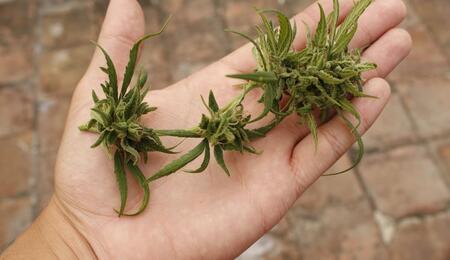
From being a fiber resource to making a juice with it, there’s a lot you can do with male cannabis plants in the garden.
The chances are that your average cannabis garden is filled with female cannabis plants, at least for the most part. Male plants are commonly regarded as useless, and a lot of growers are known to discard them. In case you don’t know what to do with your male cannabis plants, there are actually several things you can try out.
We have developed something of a cult around female cannabis plants because they produce the resinous buds we carefully cultivate, dry, and cure for consumption. We’ve developed a whole science around preparing female plants for use, and often overlooked what can be done with their male counterparts.
Since female cannabis plants are typically the focus of cultivation, many growers assume male plants are little more than a nuisance.
As it turns out, males are not entirely useless. If they are not up for smoking, that doesn’t mean you can’t do anything with them. Males contain genetic material that can be passed on to future generations through breeding. They can also be used to create various cannabis products or even improve your garden. If you don’t know what to do with male cannabis plants, keep reading to get some fresh ideas.
What Can You Do with Male Cannabis Plants?
If you don’t know what to do with male cannabis plants, it’s good to remember that they can still serve a purpose in your garden. Let’s start with their primary function and move along to find other creative uses for the male plant.
1. Use Male Plants for Breeding
That is an obvious one. The cannabis plant is not that different from other plants found in nature. Both female and male plants are required for traditional reproduction, although self-pollinating cannabis plants do exist as well.
If you are new to growing, you may rely on simpler propagation methods such as cloning female cannabis plants to achieve a consistent harvest. However, it doesn’t take much imagination to see how male cannabis plants can also play an important role. As your cultivation skills improve, breeding may become a natural next step.
Male plants contribute half of the genetic material needed to create new cannabis seeds. To make the most of breeding projects, growers should learn how to identify which male plants are worth keeping.
Start by observing the male plants in your garden and notice which ones are resilient to the environment around them. Are some better at handling abrupt weather changes? Are there male plants that remain largely unaffected by pests or fungal issues? Are they vigorous without becoming unruly? The answers to these questions may indicate that you have a strong breeding candidate among your crops.
Here’s a checklist to help identify promising male plants for breeding:
- Male plants that produce a strong and desirable aroma are often considered promising breeding candidates because they may pass terpene-related traits to their offspring.
- Male plants with sturdy stems and healthy overall structure are generally worth considering. The same goes for plants that develop tight, well-formed flower clusters.
- Extremely early flowering may not always be desirable, depending on the traits you are trying to preserve or introduce into future generations.
- Growth rate and plant height should be evaluated according to your breeding goals. Some breeders favor compact plants, while others intentionally select for vigor and size.
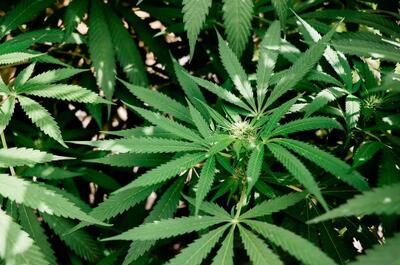
Male cannabis plants are often removed from gardens, but they can still serve valuable purposes, from breeding projects to composting and natural garden support.
2. Harvest Hemp Fiber
Unlike female plants, male cannabis plants tend to produce finer and less coarse fibers, making them useful for certain fiber applications.
These fibers can be repurposed into clothing, bags, rope, paper, or even home decorations. While weaving hemp products may not be your preferred hobby, perhaps you have a crafty friend who would appreciate a supply of homegrown fiber.
3. Make Cannabis Concentrates or Juice
While it’s true that male plants are not your go-to source for THC, it would be wrong to assume they contain no useful compounds at all.
Male cannabis plants produce cannabinoids and terpenes, but usually in much lower concentrations than unfertilized female flowers. Although cannabinoid levels are typically much lower, some growers still use male plants for low-potency extracts, infused products, or experimental processing projects.
Another option is preparing raw cannabis juice. This approach focuses on consuming cannabinoid acids such as THCA and CBDA before they are converted through heat. Raw cannabis juice is often consumed to preserve these naturally occurring cannabinoid acids, though research into their full potential is still ongoing.
For many enthusiasts, raw cannabis juice offers a different way to use the plant without its intoxicating effects. Almost the entire plant can be used for juicing, although you may want to leave out the toughest stalks. Some growers also avoid large fan leaves because they can contribute a more fibrous texture and bitter taste.
4. Use Male Plants as Natural Pest Deterrents
Another way to utilize male plants is as pest and insect deterrents. Terpenes may play a role in helping cannabis plants deter certain insects and herbivores in nature.
If you have a garden where you grow vegetables, fruits, or flowers, you can experiment with interplanting male cannabis plants alongside other crops. Some gardeners also use dried cannabis plant material to create homemade preparations intended for pest management.
Historically, cannabis has been used in various agricultural applications, including pest control. Research has explored cannabis-derived compounds as potential pest-management tools against several agricultural pests. While it should not be viewed as a miracle solution, the cannabis you don’t smoke may still provide value elsewhere in the garden.
5. Improve Soil and Compost Quality
If you have a large garden, there’s probably an area where the soil struggles to support healthy plant growth. Male cannabis plants may help improve those conditions over time.
Cannabis develops a strong taproot capable of penetrating compacted soil and improving soil structure. As roots move through the earth, they can create channels that improve water infiltration and aeration.
Once the soil quality improves, that section of the garden may become suitable for crops that previously struggled there.
Alternatively, male cannabis plants can be added to a compost pile and recycled into nutrient-rich organic matter. That compost can then be used to nourish future cannabis plants or any other crops growing in your garden.
Final Thought
If you previously didn’t know what to do with male cannabis plants, the answer may be simpler than you think: put them to work. Every part of the cannabis plant has potential value, and male plants are no exception. You just have to find the right way to use them in your garden.
Happy growing!
Read more from Soft Secrets:
- Male vs Female Cannabis Plants
- Breeding Cannabis and What To Know
- Is It Better to Use Cannabis Seed or Clones?
Disclaimer: Cannabis cultivation laws vary by region. Readers are advised to check and comply with the regulations applicable in their local jurisdiction before cultivating cannabis.
S
Soft Secrets