What Does CBD Actually Do for Athletic Recovery?
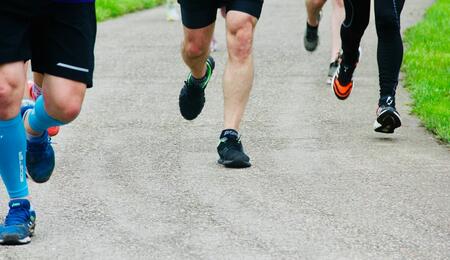
Recovery is where training adaptations take place. CBD may help some athletes manage post-exercise soreness, but it should not be viewed as a substitute for proper rest, nutrition, and training.
Every athlete knows that training is only half the battle; the real work happens during recovery when the body repairs tissue and builds strength. Whether it’s running, cycling, or hitting the gym, many physically active Americans are exploring CBD as an alternative to frequent NSAID use.
Driven by the search for natural recovery options with favorable safety profiles, the sports wellness market has grown rapidly. However, this commercial boom has also brought a wave of ambitious marketing claims, with some brands positioning CBD as a cure-all for athletic performance.
To protect long-term health and athletic eligibility, it is essential to look past the trends and examine what recent clinical data actually says.
What CBD Can Do for Athletic Recovery
When high-intensity training triggers inflammation, oxidative stress, and muscle damage, cannabinoids can interact with the endocannabinoid system to assist in recovery. Clinical studies published between 2024 and 2026 have shed new light on what CBD may be able to accomplish:
- Mitigate Delayed Onset Muscle Soreness (DOMS): Recent clinical research indicates that CBD can reduce post-exercise pain and functional impairment. A randomized, placebo-controlled trial published in the Journal of Cannabis Research reported that athletes administering a daily sublingual dose of 67 mg of CBD experienced significantly less peak pain at rest and during movement 48 hours after a muscle-damaging eccentric exercise protocol. Furthermore, the CBD group exhibited less strength impairment and physical disability compared to the placebo group.
- Favorable Gastrointestinal and Tissue Safety Profiles: For years, endurance and strength athletes have relied heavily on NSAIDs like ibuprofen to manage pain, despite well-documented risks to the stomach lining, kidneys, and gut health. A 2025 American head-to-head study compared the administration of 75 mg of CBD every 8 hours against 400 mg of ibuprofen every 8 hours for five days following muscle injury. The data revealed that CBD performed similarly to ibuprofen in alleviating subjective pain, yet resulted in zero reports of gastrointestinal side effects, whereas 23% of the ibuprofen group experienced GI distress.
- Accelerated Muscle Tissue Biomarker Recovery: In another recent randomized controlled trial involving amateur marathon runners, participants who took 100 mg of CBD twice daily for seven days post-race demonstrated a 37% faster reduction in creatine kinase (CK) levels (a key biomarker of muscle damage) at the 72-hour mark compared to a placebo group. Participants in the CBD group also reported returning to their usual training routines sooner than those receiving the placebo.
- Supports Sleep and Nervous System Downregulation: Recovery does not happen without quality sleep. High-intensity training spikes cortisol levels, keeping the central nervous system stuck in a sympathetic (“fight or flight”) state. CBD may help some athletes relax after training and improve sleep quality, which plays a central role in recovery. Some evidence suggests CBD may influence serotonin signaling and the body’s stress response, which may help support the deep sleep stages vital for tissue growth and cellular repair.
What Not to Expect from CBD
While the anti-inflammatory and analgesic potential of CBD is backed by both anecdotal and scientific data, it is equally vital to understand its limitations. CBD is a recovery tool, not a shortcut.
- It Will Not Directly Boost Raw Performance: Multiple clinical investigations, including pilot trials tracking elite power and endurance athletes, confirm that CBD has no impact on anaerobic power, maximum strength, or aerobic capacity. It helps you recover so you can train hard again; it does not mechanically make you faster or stronger.
- It Cannot Fix Flawed Training Fundamentals: No amount of high-quality hemp extract can out-supplement a poor diet, chronic sleep deprivation, or an inadequate stretching and warm-up protocol. CBD should be viewed as a supportive recovery aid, not a replacement for athletic discipline.
- The Low Bioavailability Hurdle: Standard oral ingestion routes, such as capsules or traditional gummies, force CBD to pass through the liver via first-pass metabolism. This process reduces its systemic bioavailability, often leaving only 10% to 15% of the active compound intact to reach target tissues.
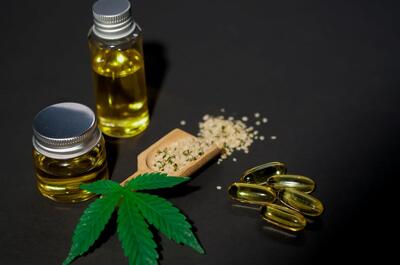
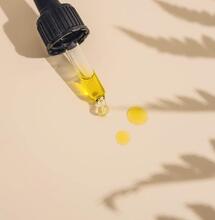
CBD oil is increasingly used by athletes seeking support for recovery. Choosing products with third-party testing and verified THC content is especially important for anyone subject to drug testing.
The WADA and Drug Testing Minefield for Competitive Athletes
For competitive collegiate, professional, or drug-tested amateur athletes, using CBD requires careful attention to product selection and anti-doping regulations.
The World Anti-Doping Agency (WADA) explicitly permits the use of pure cannabidiol (CBD). However, all other cannabinoids—including natural Delta-9 THC, its metabolites, and synthetic compounds—remain strictly prohibited in-competition.
This creates a critical contamination risk. Under the 2018 Farm Bill, US commercial hemp products can legally contain up to 0.3% THC by dry weight. Independent laboratory audits consistently reveal that a large percentage of commercial CBD products are mislabeled and contain trace amounts of THC far exceeding what is printed on the packaging.
An athlete who routinely consumes a “Full-Spectrum” CBD product may accumulate enough trace THC in their system to trigger a positive result on a workplace or athletic drug screen.
How to Implement CBD into a Fitness Routine
If you decide to incorporate CBD into your athletic recovery protocol, apply a structured, professional methodology:
1. Look for High-Quality, THC-Free Products
Never purchase a product that does not provide a batch-specific, third-party Certificate of Analysis (COA) accessible via a transparent QR code. Competitive athletes must completely avoid “Full-Spectrum” options, choosing exclusively Broad-Spectrum CBD or CBD Isolate that explicitly verifies zero THC content.
2. Be Mindful with Dosing
Dosages used in published studies have varied considerably, but research has commonly investigated ranges such as follows:
- Low-Impact Recovery (Yoga, Mobility): 10–25 mg.
- Moderate-Impact Recovery (Resistance Training, Mid-Distance Running): 25–50 mg.
- High-Impact/Extreme Fatigue (Marathons, Heavy Contact Sports): 50–100 mg, ideally divided into morning and evening applications.
3. Maximize Absorption Rates
Because of oral bioavailability constraints, apply tinctures sublingually (holding the oil under the tongue for 60 to 90 seconds) to allow direct absorption through the mucosal membranes. If you prefer consuming gummies or capsules, ingest them alongside a meal containing healthy fats (such as avocados, nuts, or eggs) to significantly enhance intestinal absorption rates.
Read more from Soft Secrets:
Disclaimer: Cannabidiol (CBD) is not a substitute for professional medical evaluation, physical therapy, or diagnostic medical care. Athletes suffering from acute injuries or chronic pain should consult a qualified healthcare provider before introducing new supplements into their regimens.
S
Stephen Andrews