Cannabis and Mood Swings: What to Know
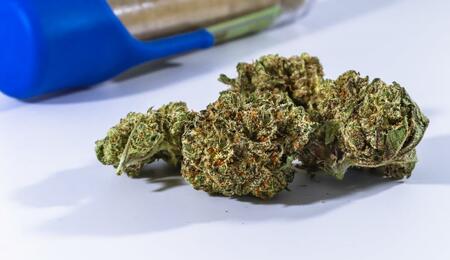
Certain cannabinoids may provide short-term mood support for some users, though responses can vary widely depending on the individual and dosage.
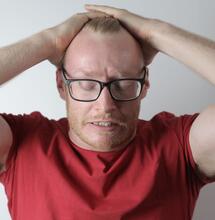
Many people turn to cannabis in search of relief from stress, low mood, or emotional fatigue, but depression and mood disorders are far more complex than they may appear. While certain cannabinoids may help some individuals feel more balanced or relaxed, cannabis is not a universal solution, and its effects can vary greatly from person to person.
Medical Disclaimer: This article is for informational and educational purposes only. It is not intended as medical advice or a substitute for professional diagnosis or treatment. Always seek the advice of your physician or other qualified health provider with any questions you may have regarding a medical condition.
The Nuanced Relationship Between Cannabis and Mood
Cannabis consumption and low mood often share a complex connection. For many in the “Rec Market” and the MMJ community, cannabis products are sought out for their ability to provide a sense of relaxation or a “lift” during difficult times. However, “depression” is a broad term that covers everything from a passing period of melancholy to a serious clinical condition.
While cannabis can be a tool for emotional support, it is not a universal solution. Understanding the nuances of how cannabinoids interact with the brain is essential for responsible and safe consumption.
How Cannabis May Support Emotional Balance
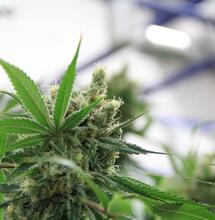
Many users report that specific cannabis strains help them feel more relaxed, happy, and at ease. Certain cannabinoids can offer a temporary reprieve from a heavy or unmotivated headspace.
What the Research Says
Scientific inquiry into this subject suggests that cannabis may offer short-term improvement, making it a potential option for managing occasional or seasonal “blues.”
- Immediate Relief: A 2020 study published in The Journal of Biology and Medicine indicated that approximately 95.8% of participants reported perceived short-term relief from low-mood symptoms after using marijuana.
- Micro-dosing Benefits: An observational study published in the Journal of Affective Disorders found that low doses—sometimes as little as two puffs—were associated with a 50% reduction in perceived depression symptoms.
However, the same research cautions that continued, heavy use can sometimes lead to a “rebound effect,” where symptoms may eventually feel more pronounced.
Navigating the Spectrum of Low Mood
It is important to distinguish between feeling “down” and clinical depression. Clinical depression can manifest as a total loss of interest in daily life, changes in appetite, or physical exhaustion. These states can be influenced by genetics, severe stress, or underlying medical conditions.
Cannabis may provide a boost for those dealing with temporary stress or melancholia, but it is not a replacement for the comprehensive care required for clinical illnesses. While some users find cannabis more compatible with their lifestyle than conventional antidepressants, others may require monitored medical therapy to manage more complex conditions.
Choosing the Right Cannabinoid: THC vs. CBD
Different products yield different results based on your current emotional state:
- THC (Tetrahydrocannabinol): Often used for an immediate mood boost. In the right dose, THC can “juggle the brain” and provide a euphoric shift.
- CBD (Cannabidiol): If low mood is accompanied by restlessness or “racing thoughts,” THC can sometimes be overwhelming. CBD is often preferred by users seeking a less psychoactive experience.
- The Entourage Effect: Products combining both THC and CBD are frequently used when low mood is a byproduct of physical discomfort or chronic pain.
CBD and Serotonin Signaling
Low mood is often scientifically linked to low levels of serotonin. While CBD does not necessarily increase the amount of serotonin in your system, it influences how your brain’s receptors respond to the serotonin already present.
Some users report that CBD feels more tolerable than certain conventional treatments, though direct clinical comparisons remain limited. Unlike some traditional medications that may cause side effects such as restlessness, digestive discomfort, fatigue, or emotional blunting in certain individuals, CBD is often perceived as a gentler option with a different side-effect profile.
When to Exercise Caution
Before incorporating cannabis or CBD into your wellness routine, professional consultation is vital in the following scenarios:
- Drug Interactions: CBD can interact with various medications. For example, using it alongside stimulants like Adderall may impact appetite, while use with heartburn medications might cause digestive upset.
- Specific Medications: CBD should not be used with Valproate-based medicines (often prescribed for seizures or bipolar disorder) as it can cause direct conflict.
- Elderly Users: Diagnosis and drug interactions are more complex in older populations, especially those managing conditions like diabetes.
The Verdict
Cannabis may be a helpful tool for those seeking to improve their mood and navigate life’s occasional “lows.” If you are unsure if it is the right path for you, we recommend speaking with a healthcare professional and connecting with the community to learn about different dosages and experiences.
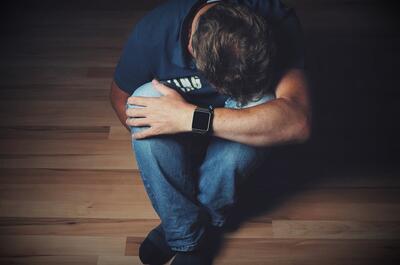
Researchers continue to explore how cannabinoids like CBD and THC interact with brain systems linked to stress, mood, and emotional regulation.
FAQ: Cannabis and Depression
Q: Can cannabis help with depression?
A: Cannabis may help some people temporarily manage stress, low mood, or emotional tension, but it is not considered a proven treatment for clinical depression.
Q: Does THC improve mood?
A: THC can produce short-term euphoric effects in some users, though higher doses may increase anxiety, paranoia, or emotional instability in others.
Q: Is CBD better for mood support than THC?
A: Many users prefer CBD because it is non-intoxicating and generally considered less overwhelming than THC, especially during periods of stress or anxious thinking.
Q: Can cannabis replace antidepressants?
A: Cannabis should not be viewed as a direct replacement for prescribed antidepressants unless discussed with a qualified healthcare professional.
Q: Can cannabis make depression worse?
A: Yes. Frequent or heavy cannabis use may worsen motivation, emotional regulation, or depressive symptoms in some individuals over time.
Q: What is the difference between feeling “down” and clinical depression?
A: Temporary low mood is common and often linked to stress or life events, while clinical depression is a serious medical condition that may require professional treatment.
Q: Does CBD affect serotonin?
A: Research suggests CBD may influence serotonin receptor activity, though scientists are still studying how this may relate to mood and emotional regulation.
Q: Are certain strains better for mood support?
A: Many users report uplifting or calming effects from specific cannabinoid and terpene profiles, but responses can still vary significantly from person to person.
Q: Can cannabis help with mood swings?
A: Some people use cannabis to relax during periods of emotional stress, but it is not a medically established treatment for mood disorders or bipolar disorder.
Q: Should you speak to a doctor before using cannabis for depression?
A: Yes. This is especially important if you take prescription medications, have an existing mental health condition, or experience severe or persistent symptoms.
Read more from Soft Secrets:
S
Stephen Andrews