Chronic Pain: How CBD and CBG Offer New Paths to Relief
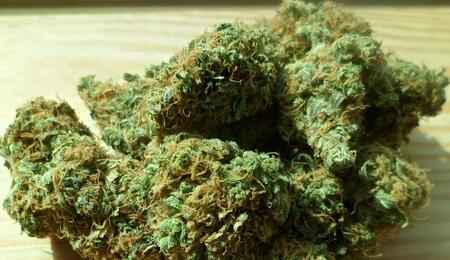
Cannabis, particularly strains high in CBD and certain minor cannabinoids like CBN, has been shown to help manage chronic pain.
The global health crisis of opioid addiction has driven an urgent search for non-narcotic pain management solutions. Cannabis and its non-psychoactive components—specifically Cannabidiol (CBD) and Cannabigerol (CBG)—presents a critical path forward. This comprehensive guide outlines the emerging scientific evidence for using these cannabinoids as an alternative to traditional, addictive pain treatments. We will focus on the latest 2025 research, the mechanisms of action, and the safe, legal context for utilizing the therapeutic potential of the Cannabis plant.
The Global Crisis: Opioids, Addiction, and the Need for a Cannabis Alternative
Opioid-based prescription pain medications are highly effective but carry an acute risk of dependence, addiction, and even overdose. It’s, in fact, no secret that opioids present a public health emergency that demands accessible, safer alternatives. While federal barriers still limit large-scale research, recent clinical and preclinical studies are illuminating the specific ways Cannabis compounds interact with the human body’s pain pathways, renewing hope for patients suffering from persistent, debilitating discomfort.
The Endocannabinoid System (ECS) and Pain Perception
The key to understanding Cannabis as a pain reliever lies in the Endocannabinoid System (ECS)—a complex cell-signaling network found throughout the body and brain. The ECS regulates a range of functions, including mood, sleep, and, crucially, pain and immune response. Cannabinoids like CBD and CBG interact with ECS receptors (CB1 and CB2) not by simply masking pain, but by modulating the body’s entire inflammatory and pain-signaling process.
Why Marijuana-Based Compounds are Gaining Scientific Attention
Unlike opioids, which flood the nervous system and carry significant health risks, marijuana-derived compounds work more subtly. THC, CBD, and other minor cannabinoids target inflammation, nerve firing, and muscle spasms simultaneously. This multi-target approach, often called the poly-pharmacological effect, is especially beneficial for complex conditions like neuropathic pain where traditional single-drug treatments do not always deliver the desired result. In addition, the non-intoxicating nature of compounds like CBD allows for consistent dosing without the impairment associated with high-THC Cannabis.
CBD (Cannabidiol) for Chronic Pain Management: Efficacy and Dosage
CBD is the most well-researched cannabinoid for pain. Its anti-inflammatory properties are key to its reported effectiveness, making it a promising alternative to NSAIDs or as an adjunct therapy.
Scientific Consensus: What Research Says About CBD’s Role
A September 2025 review of cannabinoid studies confirms that Cannabinoids have a “limited but measurable role in chronic pain therapy.” The strongest evidence supports their use for:
- Neuropathic Pain: Nerve pain stemming from diabetes, MS, or injury.
- Multiple Sclerosis (MS) Spasticity: Reducing muscle stiffness and spasms.
While patients consistently report pain mitigation and an improved quality of life (with some surveys showing a 2.6-point average reduction on the 10-point pain scale), researchers emphasize that average pain reduction is often modest (0.5 to 1.0 points) and may serve best as a supportive treatment when standard therapies are ineffective.
How CBD Differs from Opioids in the Body
The primary distinction is safety and mechanism. Opioids bind directly to opioid receptors, which control pain but also regulate respiratory function, which may increase the risk of fatal overdose. CBD interacts with a wide range of non-opioid receptors, including those related to serotonin and inflammation, offering pain relief without the high addictive potential that characterizes opioid use or life-threatening risks such as respiratory depression. Studies affirm that medical Cannabis treatment is associated with reductions in pain severity and improvements in quality of life for adults with chronic pain who are also undergoing treatment for Opioid Use Disorder (OUD).
CBG and CBN: Exploring Minor Cannabinoids for Deep Pain Relief
The future of cannabinoid therapy is moving beyond just CBD and THC to include minor compounds like CBG (Cannabigerol) and CBN (Cannabinol). These minor cannabinoids are increasingly being studied for their unique contributions to pain relief, among other medicinal effects.
CBG (Cannabigerol): Recent Yale Study Shows Strong Potential for Pain
CBG is emerging as a critical therapeutic agent. A January 2025 study from Yale researchers identified CBG as having the strongest potential among CBD, CBG, and CBN to provide effective pain relief without the mind-altering effects. The mechanism is highly specific: CBG was found to strongly inhibit the activity of the Nav1.8 protein, which is central to sending pain signals through the peripheral nervous system. By muting this protein’s activity, CBG can effectively prevent sensory neurons from sending chronic pain signals to the brain, paving the way for non-addictive, targeted therapies.
“These findings open new avenues for the development of cannabinoid-based therapies,” according to lead study author Mohammad-Reza Ghovanloo from the Department of Neurology at Yale School of Medicine. “Our results show that CBG in particular has the strongest potential to provide effective pain relief without the risks associated with traditional treatments,” he said.
CBN (Cannabinol): Preclinical Data for Myofascial Pain Relief
CBN requires more human clinical research than CBD and CBG, however, this minor cannabinoid is already noted for its immense analgesic potential. Preclinical studies suggest CBN, otherwise an oxidized form of THC, may be effective in treating myofascial pain: the deep muscle and joint pain seen in conditions like fibromyalgia. Importantly, a 2019 study showed that combining CBN and CBD produced a longer-lasting pain reduction than either compound alone, which leads us to the next point.
The Synergistic Effect of the Whole Cannabis Plant
When multiple Cannabis compounds—cannabinoids, terpenes, and flavonoids—are consumed together, they are believed to work in concert, enhancing their individual therapeutic effects. This is the “Entourage Effect.” Rather than relying on a single isolated compound, many experts advocate for using full-spectrum extracts from the whole plant to maximize the synergistic benefits for conditions like chronic pain. This approach ensures the patient receives a balanced profile of compounds, including minor cannabinoids, which may be vital for achieving maximum pain control.
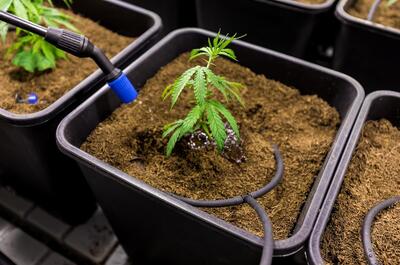
Research suggests that cannabinoids may help reduce pain intensity in conditions like neuropathic pain and fibromyalgia, offering a potential alternative or complement to traditional pain medications.
Cannabis Safety Checklist: Legal Status and Avoiding Side Effects
What follows is an essential guide to legal and safe cannabinoid use for pain, prioritizing patients’ safety.
Cannabis and the Federal Schedule: Why Legal Clarity Matters
The legal landscape for cannabis is complex in the U.S. due to a major split between federal and state laws. To clarify: hemp-derived CBD is federally legal in the United States, provided it contains no more than 0.3% delta-9 THC on a dry weight basis. This important distinction, established by the 2018 Farm Bill, governs the widespread legality of most CBD and CBG products. However, cannabis with THC levels above this limit (“Marijuana”) remains classified as a Schedule I substance under the federal Controlled Substances Act, meaning it is considered to have no accepted medical use and a high potential for abuse.
Regulatory change is imminent: in May 2024, the Department of Justice posted a proposal to transfer Marijuana from Schedule I to Schedule III, a move that should finally formally acknowledge its accepted medical use and lower abuse potential, closely aligning federal law with the 38 states that currently permit medical use.
Cannabinoid Dosage: Trust Your Doctor (and Not the Internet)
Patients seeking pain relief must prioritize expert medical guidance. Just like with other medicines and supplements that a person may be taking for chronic pain treatment, the use of cannabinoids should also be monitored by a healthcare provider, hopefully someone who is familiar with cannabis medicine. Due to the high variability in product strength and purity, starting with a low dose (“start low and go slow”) is a crucial safety tip.
Avoiding Harm: Adverse Effects, Hepatotoxicity, and Drug Interactions
While often well-tolerated, cannabinoid use is not without risks. Patients commonly report dizziness, fatigue, and cognitive slowing. A significant safety concern, particularly with high-dose CBD, is the potential for hepatotoxicity (liver damage). In fact, some clinical trials using high doses of CBD report discontinuation rates of nearly 13% due to liver-related issues. Patients taking anti-seizure medications like valproate or clobazam, in particular, must consult their physician, as CBD can interfere with how the liver metabolizes these and other prescription drugs.
Cultivating Your Own Cannabis Pain Medicines
Home cultivation allows patients to tailor their medicine to their specific pain needs by choosing strains with higher ratios of CBD and/or CBG. This becomes far more practical in legal jurisdictions, where patients stay within the law and have access to a wide selection of quality seeds.
Growing High-CBD/CBG Cannabis Plants for Specific Pain Needs
Traditional marijuana cultivation focuses on maximizing THC. However, a patient targeting chronic pain should select specific genetics bred for high CBD and CBG output. These strains tend to be more stable and easier to grow, often producing little to no psychoactive effect. Selecting a high-CBD strain is a foundational step in personalizing one’s pain treatment regimen.
Maximizing Buds and Flower Quality for Extraction
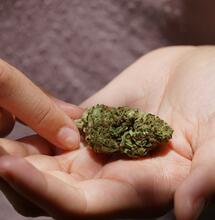
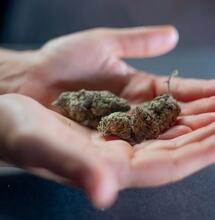
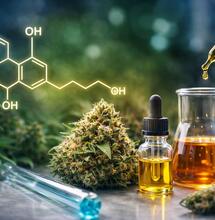
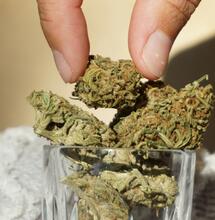
The quality of the final product, or cultivating CBD- and CBG-heavy cannabis buds, is essential for creating effective therapeutic extracts. Proper curing and storage of the flower are necessary to preserve the delicate balance of cannabinoids and terpenes. Whether the patient is making simple alcohol tinctures or full-spectrum oil extracts, maximizing flower density and resin production ensures the plant medicine is potent, effective, and free of mold or contaminants, which is especially critical for immune-compromised patients.
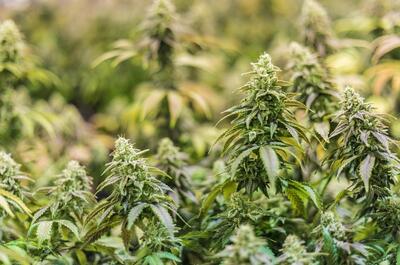
Cannabis may reduce neuropathic pain, inflammation, and muscle spasticity, with some patients reporting up to a 30–40% reduction in pain symptoms when used under medical supervision.
Frequently Asked Questions about Chronic Pain and Cannabis
Q: Is medical Marijuana or Cannabis safer than opioids for long-term chronic pain?
A: Research suggests cannabinoids offer a non-addictive pathway for pain management, improving sleep and quality of life, but require strict patient selection and continuous monitoring due to potential side effects and drug interactions. Opioids use can pose a life-threatening risk of overdose and high addiction potential, which cannabinoids do not.
Q: Can CBD alone treat all types of chronic pain?
A: CBD shows strongest support for neuropathic pain and MS-related spasticity. Results for conditions like fibromyalgia and osteoarthritis are inconsistent, suggesting it may work best as a secondary option when standard treatments fail, or in conjunction with other Cannabis compounds like CBG.
Q: What is the legal status of using Cannabis to treat pain in the USA?
A: Medical use is legal in 38 US states. However, THC-rich cannabis remains a Schedule I controlled substance at the federal level, though a proposal to move it to Schedule III is currently underway. Patients must strictly adhere to their local state laws.
Q: Are cannabinoids effective for chronic joint pain like osteoarthritis?
A: While many patients report relief, strong human evidence for treating osteoarthritis—the most common form of arthritis—is still emerging, even though animal studies show promising results. Arthritis was a top reason older adults sought medical cannabis in one survey, with 78% reporting it helped.
Read more from Soft Secrets:
Last updated December 2, 2025
S
Stephen Andrews