Cannabis and Ozempic: What You Need to Know About the Interaction
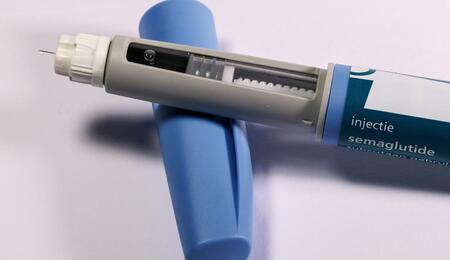
As Americans increasingly turn to “miracle” metabolic drugs for Type 2 diabetes and weight management, a critical question has emerged: Is it safe to use Cannabis while on Ozempic? Photo by Haberdoedas on Unsplash
In just a few years, cannabis and GLP-1 medications have become part of everyday life for millions of Americans. Adult-use legalization has normalized cannabis consumption, while drugs like Ozempic, Wegovy, and Mounjaro have reshaped how people approach weight loss and metabolic health. As these two worlds increasingly overlap, a practical question is bubbling up—from dispensary counters to doctor’s offices across New York, California, and beyond: What happens when Cannabis and Ozempic are part of the same routine, and is it safe to mix the two?
How GLP-1 Medications Work vs. Cannabis
To understand the interaction, we must look at the biological “tug-of-war” occurring in the body. GLP-1 medications work primarily by mimicking a natural hormone that signals fullness to the brain and, crucially, by slowing down “gastric emptying”—the speed at which food leaves your stomach.
Cannabis, specifically THC, interacts with the CB1 receptors in the brain’s hypothalamus. This interaction typically stimulates appetite (the “munchies”) and can, in some cases, also affect gastrointestinal motility.
The Conflict: While Ozempic is screaming “I’m full,” THC may be whispering “I’m hungry.” This can create a confusing metabolic signal that may counteract the weight-loss benefits of the medication.
Potential Risks: The Gastroparesis Concern
The most significant safety concern regarding this combination involves the digestive tract. Both GLP-1 agonists and heavy cannabis use are known to slow down the digestive process.
- Gastroparesis (Stomach Paralysis): A 2025 study published in the Diabetes & Metabolism Journal highlights that GLP-1s can decelerate gastric emptying to levels indicative of gastroparesis. When combined with high doses of cannabis—which can also slow motility—there is a theoretical increased risk of severe nausea, vomiting, and “stomach paralysis.”
- Aspiration Risks: For patients preparing for surgery, the combined effect of GLP-1s and cannabis use has led to concerns about perioperative aspiration—the risk of stomach contents entering the lungs during anesthesia. Because both can slow gastric emptying, food may remain in the stomach much longer than the standard 8-hour fasting window.
The “Munchies” vs. Satiety: A Weight Loss Hurdle?
For many using Wegovy for weight management, the primary goal is calorie deficit. THC-induced hyperphagia (the munchies) can bypass the satiety signals sent by the GLP-1 medication.
However, it isn’t all negative. Emerging research suggests that certain cannabinoids, like THCV, may actually support glucose regulation and improve insulin sensitivity, potentially acting in synergy with metabolic treatments.
Can GLP-1s Treat Cannabis Use Disorder?
In a fascinating twist, the interaction works both ways. New data from a massive cohort study of 2 million patients published in Nature Medicine in January 2025, suggest that GLP-1 medications may actually reduce the risk of substance use disorders, including Cannabis Use Disorder (CUD). The medication appears to modulate the brain’s reward pathways, potentially making the “high” from cannabis feel less rewarding and reducing cravings.
Safety Tips for the MMJ Patient
If you are a medical marijuana patient (MMJ) prescribed a GLP-1, consider these safety protocols:
- Microdose: Start with very low doses of THC to monitor how your digestion responds.
- Hydrate: Both substances can contribute to dehydration and dizziness (orthostatic hypotension).
- Monitor Blood Sugar: If you have Type 2 diabetes, be aware that the munchies can lead to high-carb binges, which may cause dangerous blood sugar spikes despite your medication.
- Check the Loophole: In states where Rec Markets are restricted, many consumers use Hemp-derived Delta-8 or THCA (thanks to the 2018 Farm Bill loophole). Be aware that these analogs carry the same metabolic and gastrointestinal risks as traditional Delta-9 THC.
In conclusion, cannabis and GLP-1 medications are potent substances that affect metabolic and digestive health. Always consult your primary care physician or endocrinologist before combining these treatments.
Read more from Soft Secrets:
S
Stephen Andrews