Ginseng Relatives and Longevity Herbs in Traditional Wellness
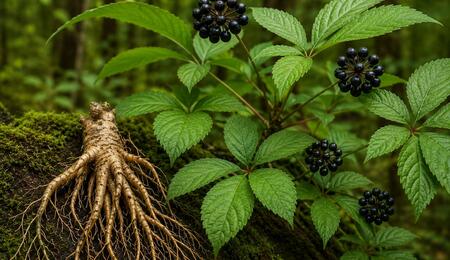
Siberian ginseng is frequently used by runners and athletes in an effort to support endurance and recovery.
Plants containing ginsenosides and related compounds have long been associated with vitality, resilience and healthy aging in traditional herbal practices around the world. Many of these plants are also classified as adaptogenic herbs, a term commonly used to describe botanicals traditionally believed to help the body adapt to physical and mental stress while supporting overall balance and wellness.
Traditional forms of ginseng are valued for naturally occurring compounds known as ginsenosides. Across Asia and parts of Eastern Europe, these plants have been woven into cultural wellness traditions for centuries — not necessarily as miracle cures, but as herbs associated with stamina, balance and longevity.
Beyond the common varieties of ginseng, several lesser-known relatives and ginseng-like plants have also earned a place in traditional medicine. Among them are Siberian ginseng, Panax notoginseng (San Chi), and Gynostemma pentaphyllum (Jiao Gu Lan), a climbing vine containing compounds structurally similar to ginsenosides.
Siberian Ginseng and the Search for Endurance
Siberian ginseng, also known as Eleuthero (Eleutherococcus senticosus; Ci Wu Jia), grows naturally across parts of Russia, northern China, Korea and Japan. Unlike true ginsengs in the Panax genus, Siberian ginseng contains compounds known as eleutherosides rather than ginsenosides, yet it has long been grouped alongside adaptogenic herbs in traditional practice.
For generations, herbalists have regarded the hardy root as a restorative plant associated with resilience during periods of physical or mental stress. The shrub thrives in harsh northern climates, and perhaps because of this, it developed a reputation as a symbol of endurance itself.
In the mid-20th century, Soviet researchers became deeply interested in Siberian ginseng and explored its possible role in supporting stamina and athletic performance. The herb reportedly became part of wellness and conditioning programs used by some Soviet athletes, contributing to its international reputation as an adaptogen linked to endurance and recovery.
Later accounts also describe the herb being studied in relation to focus and mental performance during the early years of space exploration. While modern evidence remains mixed, Eleuthero continues to be widely used today in herbal wellness traditions centered around energy, balance and stress adaptation.
San Chi and Traditional Circulatory Wellness
Panax notoginseng, also known as Panax pseudoginseng or San Chi, is another member of the ginseng family with a long history of use in Traditional Chinese Medicine.
San Chi has been associated with circulatory support and recovery following physical injury. In Chinese herbal practice, it has often been used in relation to bruising, swelling and post-exertion discomfort, particularly among martial artists and laborers.
Modern scientific interest in San Chi has focused on its naturally occurring ginsenosides and their potential biological activity. Researchers are studying whether and how compounds found in this plant may influence blood flow, lipid metabolism, and cardiovascular function.
Scientists have also investigated San Chi for possible immune-supportive and anti-tumor properties in laboratory settings. While some early findings appear promising, much of the research is still limited to animal or cellular studies, and the exact mechanisms involved are not yet fully understood.
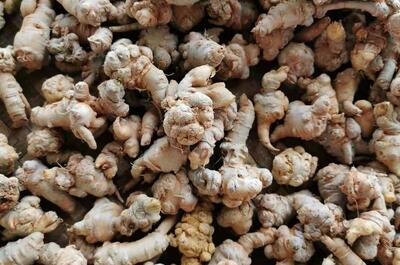
San Chi (Panax notoginseng) has been used in Traditional Chinese Medicine for centuries and is traditionally associated with circulatory wellness and post-exertion recovery. Photo credit: Ping an Chang - Own work, CC BY-SA 4.0 / Wikimedia Commons
Jiao Gu Lan and the “Immortality Herb”
Jiao Gu Lan (Gynostemma pentaphyllum) is sometimes called “southern ginseng” or “Sweet Tea Vine,” though it belongs to an entirely different plant genus. Native to southern China and other parts of Asia, the climbing vine has traditionally been brewed into tea and consumed as part of everyday wellness routines.
What makes the plant especially interesting to researchers is its content of gypenosides, which are compounds structurally similar to several major ginsenosides found in Panax ginseng. This chemical similarity helped fuel growing scientific curiosity around the herb in recent decades.
Unlike cultivated ginseng roots, Jiao Gu Lan grows relatively easily in the wild and has historically been more accessible to rural communities. In some regions of southern China known for high longevity rates, the herb became closely associated with traditional ideas surrounding vitality and healthy aging.
Studies have explored whether Jiao Gu Lan may influence fatigue, learning performance and physical endurance. Other preliminary research has examined its potential antioxidant, metabolic and immune-modulating properties, though some questions remain unanswered.
In traditional herbal systems, Jiao Gu Lan has also been associated with respiratory wellness and balance within the body’s stress-response systems. Researchers continue to investigate whether compounds in the plant may influence inflammation, circulation and blood sugar regulation.
Some studies have also explored its potential protective effects on the stomach lining and liver under certain experimental conditions. Additional research has investigated possible cardiovascular effects, including influences on circulation and blood pressure regulation, though these areas remain under active scientific study.
Ancient Reputation, Modern Curiosity
Many traditional herbs develop reputations that grow larger than the science behind them, and ginseng relatives are no exception. While these plants are not cure-alls, their long history of cultural use, combined with continued scientific interest, has helped maintain their popularity in modern wellness practices.
Today, Siberian ginseng, San Chi and Jiao Gu Lan are commonly consumed in teas, powders, extracts and herbal preparations by people interested in traditional approaches to balance, vitality and healthy living.
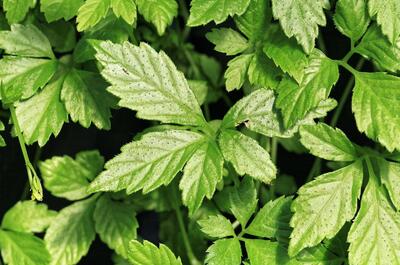
Jiao Gu Lan can be prepared as a naturally sweet herbal tea and is sometimes grown as a garden vine in warmer climates. Photo credit: Frank Vincentz - Own work, CC BY-SA 3.0 / Wikimedia Commons
FAQ: Adaptogenic Herbs and Traditional Wellness
Q: What are adaptogenic herbs?
A: Adaptogenic herbs are plants traditionally associated with helping the body adapt to stress and maintain balance. Popular examples include ginseng, Eleuthero, Rhodiola and Jiao Gu Lan.
Q: How may these herbs support wellness?
A: They are commonly linked to energy, resilience, focus, recovery and healthy aging practices. Research into their active compounds is still ongoing.
Q: How long do adaptogenic herbs take to work?
A: Unlike stimulants, adaptogens are usually consumed consistently over time. Some people notice subtle effects within days or weeks, while others use them as part of long-term wellness routines.
Q: Who can guide people through Traditional Chinese Medicine?
A: Traditional Chinese Medicine (TCM) practitioners and herbalists specialize in these therapies. Many work in dedicated clinics and wellness centers, often combining herbal medicine with acupuncture and other traditional practices.
Q: Are adaptogenic herbs ever combined with cannabis?
A: Yes. Herbs such as Jiao Gu Lan, ashwagandha, chamomile and lavender are sometimes paired with cannabis in teas, tinctures or herbal blends focused on relaxation and balance.
Q: Are there herbs that may not mix well with cannabis?
A: Potentially. Strongly sedating herbs may increase drowsiness when combined with cannabis, while stimulating herbs may feel overwhelming alongside high-THC products. People taking medications should consult a healthcare professional before combining herbs.
Q: Is Siberian ginseng a true ginseng?
A: No. Siberian ginseng, or Eleuthero, is not part of the Panax genus, but it earned the nickname because of its similar traditional use as an adaptogenic herb.
Q: Why is Jiao Gu Lan linked to longevity?
A: The herb became associated with regions in southern China known for high longevity rates, helping build its reputation as a traditional “wellness” or “immortality” herb.
Q: Are adaptogenic herbs scientifically proven?
A: Some herbs show promising results in early studies, but many traditional claims still require stronger clinical evidence. Most experts view them as complementary wellness tools rather than complete medical treatments.
Q: Can adaptogenic herbs replace conventional medicine?
A: Generally, no. These herbs are most commonly used as part of broader wellness practices and should not replace professional medical care where needed.
Read more from Soft Secrets:
S
Soft Secrets