Topical Cannabis Products: How They Manage Skin and Localized Discomfort
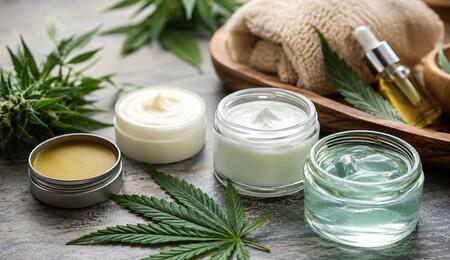
Different topical formulations absorb into the skin in different ways, with heavier balms offering longer surface coverage and lighter gels providing faster cooling relief after physical activity.
The modern market for cannabis topicals expands well beyond basic salves. Today, consumers utilize an array of infused creams, lotions, balms, and specialized personal lubricants designed for targeted, localized application.
Unlike inhaled or ingested methods, true topical cannabis products do not typically cross the blood-brain barrier into the bloodstream in significant amounts. This allows users to experience localized cannabinoid effects without the intoxicating effects commonly associated with inhaled or ingested THC.
Understanding how these formulations interact with the skin’s biological systems reveals why they have become staple items in both athletic recovery and intimate wellness routines.
The Mechanics of the Endocannabinoid System in Skin Tissue
The human skin is not just a passive barrier; it is an active organ equipped with its own localized endocannabinoid system (ECS). Cannabinoid receptors—specifically CB1 and CB2—are distributed throughout the epidermis, sebaceous glands, and sensory nerve endings.
When you apply an infused lotion or balm, the active compounds bind directly to these peripheral receptors.
- THC (Tetrahydrocannabinol): Connects primarily with localized receptors to influence peripheral pain signaling, helping to temporarily minimize localized discomfort or muscle soreness directly at the site of application.
- CBD (Cannabidiol): Can help regulate inflammatory signaling proteins known as cytokines, which is why it is frequently used in formulations designed for irritated or sensitive skin.
Because these interactions remain localized within the applied tissue layers, state-licensed dispensaries frequently carry high-THC topicals for deep muscle relief, while nationwide retail markets offer broad-spectrum hemp-derived CBD products under the legal framework of the 2018 Farm Bill.
Formulations for Recovery: Balms, Creams, and Gels
When choosing a cannabis topical for post-exercise recovery or general physical comfort, it is important to consider how the product’s base formulation behaves on the skin and how quickly it absorbs into underlying tissues.
Different topical formats are designed for different recovery goals and application areas.
- Balms and salves are typically made with waxes, natural butters, and heavier oils. Their thicker texture creates a protective barrier on the skin, making them especially useful for targeted application on smaller joints or localized areas that may benefit from prolonged surface contact.
- Creams and lotions use water-and-oil emulsions that spread more easily across the skin and absorb more evenly. These formulations are often preferred for larger muscle groups and can fit well into daily moisturizing or recovery routines.
- Gels are usually water-based and frequently include ingredients such as menthol or aloe vera. Their lighter consistency allows for faster absorption and a cooling sensation, making them popular for post-exercise muscle recovery.
Waxy balms tend to sit on top of the skin longer, serving as an excellent protective layer for dry patches or chapped areas. In contrast, well-formulated emulsions, such as lotions and water-based gels, penetrate more quickly into the tissue layers to deliver cannabinoids to overworked muscles or stiff joints without leaving a heavy, slick residue behind.
Specialized Applications and Intimate Wellness
An evolving sector within the cannabis industry is the development of specialized topicals, such as cannabis-infused personal lubricants. These formulas are designed to promote muscle relaxation, increase localized blood circulation, and reduce tension or discomfort during intimate use.
When formulating or purchasing these specialized products, safety and ingredient purity are paramount. Oils can degrade traditional contraceptive materials like latex, so water-based or safely isolated alternatives are heavily preferred by informed consumers.
Furthermore, checking for complete third-party laboratory testing is essential to guarantee that any product applied to sensitive tissues is entirely free from residual solvents, heavy metals, or pesticide contaminants.
Read more from Soft Secrets:
Disclaimer: This article is for informational purposes only. Topical cannabis products are not evaluated by the FDA to diagnose, treat, cure, or prevent any disease. Consult a dermatologist or physician before changing your skincare or wellness routine.
S
Soft Secrets