THC Dosage and Labeling: What to Check When You Buy Cannabis
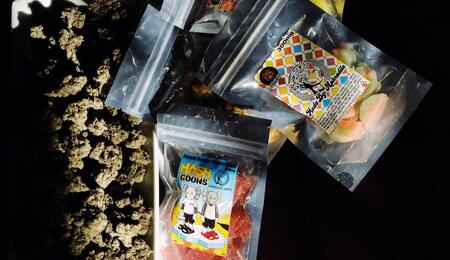
That tiny label? It holds the entire roadmap to your experience.
It’s a Friday evening. You stop by a licensed dispensary, scanning a wall of neatly packaged products—sleek jars, minimalist pouches, bold promises, and whatnot. You pick the one that looks right: clean design, decent THC percentage, nothing too intimidating.
Later that night, the experience is… not what you expected. What you got is stronger. Lasts longer. Slightly uncomfortable.
The next day, you look back at the label more carefully—and realize the information was there all along. You just didn’t pay attention.
Where Things Go Wrong: Reading the Label
That moment is becoming increasingly common—and not because people are careless, but because cannabis labels have become far more detailed than they used to be. Gone are the days when a quick glance at “High THC” was enough.
Today, cannabis labels aren’t just packaging—they’re instruction manuals. And knowing how to read them is one of the simplest ways to stay in control of your experience.
Whether you’re buying in a fully legal market like New York or choosing hemp-derived CBD products, the label is your first checkpoint for both safety and predictability.
Below, we break down what actually matters on cannabis product labels, so that you can have a better and safer experience.
The New “Total THC” Rule
One of the biggest shifts nowadays is how THC is measured.
Instead of focusing only on Delta-9 THC, regulators now require manufacturers to emphasize Total THC, which reflects the product’s actual psychoactive potential after heating.
The Formula: Total THC = (THCA x 0.877) + Delta-9 THC
Why it matters: THCA (the non-psychoactive precursor) converts into THC when exposed to heat, like when smoking, vaping, or cooking. So a product that looks “moderate” on paper may be significantly stronger in practice.
What to watch for: If a label only lists Delta-9 THC and ignores THCA, it might be outdated or not compliant with current standards.
Milligrams vs. Percentages
This is where many consumers trip up—not because it’s complicated, but because it changes depending on the product.
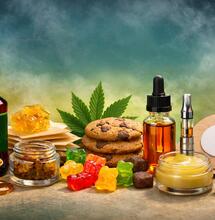
Edibles & Beverages (mg):
Dosed in milligrams. A single serving is typically capped at 5–10mg depending on the jurisdiction.
- Always check: THC per serving vs. THC per package
- A chocolate bar might contain 100mg total, even if each square is only 10mg
Flower & Concentrates (%):
Expressed as a percentage of THC by weight.
- A 20% THC flower = ~200mg THC per gram
- But you rarely consume the entire gram at once, so your actual dose depends on how much you use
The nuance: Percentages tell you strength, while milligrams tell you dose. Mixing the two is where mistakes happen.
Emerging rule to note: New federal thresholds are expected to target hemp products exceeding 0.4mg Total THC per container, tightening the line between hemp and cannabis.
The “Digital Passport”: QR Codes and COAs
In 2026, a serious product comes with proof.
Most compliant cannabis products now include a QR code linking to a Certificate of Analysis (COA), which is essentially a third-party lab report.
Think of it as your product’s passport.
What to check:
- Batch Number: Must match between packaging and COA
- Cannabinoid profile: Confirms THC/CBD levels
- Contaminant screening: Look for “Pass” on Pesticides, Heavy metals and Residual solvents.
If the QR code is missing—or leads nowhere—that’s a signal worth taking seriously.
Red Flags: What a Compliant Label Should Not Have
Sometimes, what’s not on the label matters just as much.
Watch out for:
- Candy mimicry: Packaging that imitates popular sweets
- Cartoon characters: Especially those appealing to minors
- Unverified health claims: If a product claims to “cure” serious conditions like cancer or COVID-19 without approval, it’s not just misleading—it’s a compliance issue.
These aren’t just minor violations. They often point to unregulated or black-market products, where testing and safety standards may not exist at all.
Bringing It Full Circle
That Friday-night scenario? It happens—but it doesn’t have to define your experience.
You don’t need to know everything about cannabis. Just enough to make a confident choice.
And sometimes, that confidence comes down to something simple: slowing down, reading the label, and trusting the information that’s already there.
Read more from Soft Secrets:
Canada Restricts Words Like ‘Soda’ and ‘Cola’ on Weed Labels
Where to Buy Legal Recreational Cannabis in the U.S. (2026 Guide)
Medical & Legal Disclaimer: Cannabis regulations vary by state and are currently undergoing federal changes. Always follow local laws and consult a healthcare provider for dosing advice. Keep all products out of reach of children.
S
Soft Secrets