Does the Brain Recover After Quitting Marijuana?
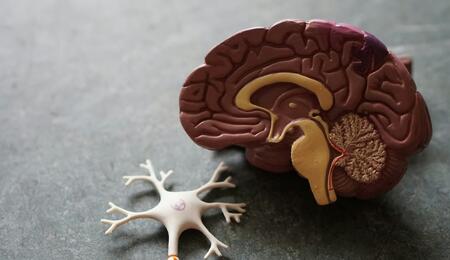
A PET imaging study found that CB1 receptor availability returned to near-normal levels after approximately four weeks without cannabis.
For decades, one of the big questions in neuroscience has been how chronic cannabis use affects brain structure and, above all, whether these changes are permanent. A study published in Molecular Psychiatry and led by researchers at the National Institute of Mental Health (NIMH) offers important insight into this question, highlighting the remarkable adaptability of the human endocannabinoid system.
The Endocannabinoid System in the Spotlight
The cannabinoid receptor type 1 (CB1) is one of the most abundant receptors in the human brain. Its primary role is to regulate neural signaling by helping control the release of neurotransmitters such as glutamate and GABA. When we use THC chronically, the brain responds by reducing the density of these receptors to maintain balance—a process known as downregulation.
Study Methodology: High-Precision Science
Researchers used positron emission tomography (PET) imaging with a radioligand designed to measure the availability of CB1 receptors throughout the brain. The study compared two well-defined groups:
- Cannabis users: 30 individuals who had smoked an average of 10 joints per day for 12 years.
- Control subjects: 28 people with no history of cannabis use.
What Happens in the Brain of Daily Cannabis Users?
The findings revealed a clear pattern. Chronic users showed an approximately 20% reduction in CB1 receptor density in nearly all cortical regions. This loss of receptors is not random: the study observed a direct relationship between years of cannabis use and the degree of receptor downregulation.
Regional Selectivity
Not all parts of the brain react the same way. The decline was most pronounced in the cingulate, frontal, and parietal cortices. Interestingly, subcortical regions such as the basal ganglia and the cerebellum remained stable. This suggests that basic motor functions are better protected against tolerance than higher cognitive functions.
The Big News: Full Recovery in 4 Weeks
The most encouraging finding of the research was reversibility. A subgroup of users underwent supervised abstinence for approximately 26 days. When the participants underwent follow-up scans, the scientists discovered that CB1 receptor density had returned to normal levels in almost all brain regions.
This discovery has important implications:
- Tolerance: It helps explain why chronic users often need higher doses to achieve the same effects, but also why a tolerance break (T-break) can reset the system.
- Dependence: The speed of recovery suggests that neurobiological changes associated with chronic cannabis use may begin to reverse relatively quickly during abstinence.
- Mental Health: The restoration of CB1 receptor availability may help explain why some cannabis-related cognitive effects improve after sustained abstinence.
Neuroscience continues to reveal the remarkable adaptability of the human brain. While chronic cannabis use can alter CB1 receptor availability, this study provides strong evidence that one of the brain’s most important cannabinoid signaling systems can restore itself relatively quickly. The findings offer valuable insight into how the brain responds to long-term cannabis exposure—and how it begins to recover once use stops.
This article was originally published by Soft Secrets España
Read more from Soft Secrets:
Disclaimer: This article is intended for informational purposes only. Cannabis laws vary across the United States and should be followed accordingly. If you experience health issues or concerns related to cannabis use, consult a healthcare professional.
S
Stephen Andrews