The Harvest Moon and the Spirit of Croptober
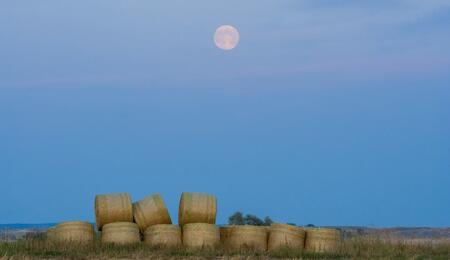
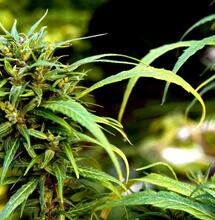
The bright dusk brought by the Harvest Moon provides outdoor growers with a much-needed seasonal benchmark for checking trichome ripeness. Photo by Daniel Lloyd Blunk-Fernández on Unsplash
For centuries, the full moon closest to the autumn equinox has held a revered spot in agricultural tradition. Known as the Harvest Moon, it carries a distinct astronomical feature that set it apart long before tractors had LED floodlights: around this time, the moon rises shortly after sunset for several consecutive nights. The result is a prolonged stretch of bright dusk, giving farmers precious extra light to gather crops before autumn frosts settle in.
While modern combine harvesters make night work trivial in conventional agriculture, the Harvest Moon still carries deep practical and cultural weight across small farms, orchards, and outdoor cannabis gardens alike.
The Farmers’ Companion
Historically, the Harvest Moon was a race against time. Crops like corn, pumpkins, apples, and late-summer grains had reached peak maturity. In pre-electric farming, those extra hours of golden, low-horizon light were a crucial lifeline.
Even today, traditional biodynamic and organic farmers pay close attention to lunar cycles. The theory, which is rooted in centuries of agricultural folklore as much as in modern soil-science discussions, suggests that moon phases influence water table levels and sap movement within plants. A full moon is said to pull moisture and nutrients upward into the upper canopy and flower heads, making late September an ideal window for gathering mature produce.
What the Harvest Moon Means for Outdoor Cannabis
In the world of outdoor cannabis cultivation, the Harvest Moon signals the onset of “Croptober,” which goes without saying is the most critical stretch of the growing year.
- Signaling Seasonal Shift: Because the Harvest Moon is tethered to the autumn equinox, it marks the rapid shortening of daylight hours. For photoperiod outdoor crops, this transition forces plants into their final, intensive push of resin production and flower development.
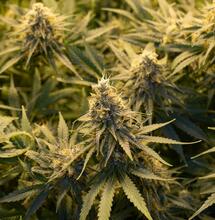
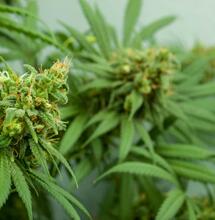
- The Trichome Watch: Just as grain farmers watch their fields for moisture content, cannabis growers can use this lunar milestone to inspect trichome maturity. The amber shift in resin glands often coincides with late-September cold snaps, making night harvests or early-morning chops a common scene under moonlit skies.
- Almanac Traditions in the Canopy: Rooted in old farmers’ almanacs and biodynamic principles, some outdoor growers time their harvest specifically for the Harvest Moon. Aligning the chop with peak lunar pull is said to maximize fluid movement in the upper canopy, preserving resin quality and aroma right out of the garden.
A Shared Moment of Tradition
Ultimately, whether a grower is managing an organic vegetable patch or tending to a patch of outdoor resin-heavy genetics, the Harvest Moon is a seasonal boundary. It marks the transition from months of intense labor and canopy care to the deliberate, rewarding work of drying, curing, and preserving the season’s yield.
Read more from Soft Secrets:
S
Stephen Andrews