How Medical Marijuana Works
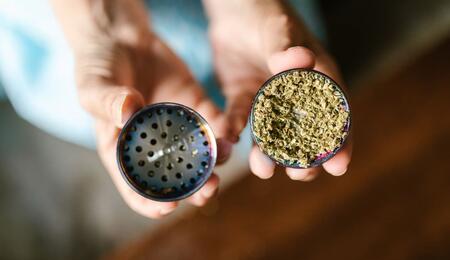
Medical marijuana works by interacting with the body’s endocannabinoid system, helping regulate pain, mood, sleep, appetite, and other essential functions.
Medical marijuana helps millions of Americans manage chronic pain, epilepsy, PTSD, and dozens of other qualifying conditions. But have you ever wondered what actually happens inside your body after you consume cannabis? The answer lies in a biological network that researchers only fully began to understand in the 1990s.
Many cannabis patients (especially new ones) may wonder: How exactly does medical marijuana work within the human body?
To understand its efficacy, and how a single plant can help people manage a diverse array of physical and physiological symptoms, we must examine the complex biological system that allows cannabis to communicate with our chemistry.
The Foundation: The Endocannabinoid System (ECS)
Medical marijuana doesn’t force the body to do something unnatural. Instead, it works with a biological system you already have: the Endocannabinoid System (ECS). Known to researchers for several decades now, the ECS is a crucial homeostatic regulator involved in balancing vital functions, including:
- Pain modulation and inflammatory responses.
- Appetite, metabolic signaling, and digestion.
- Sleep cycles and circadian rhythms.
- Mood, stress adaptation, and emotional memory processing.
- Neuroplasticity and neuroprotection.
The ECS consists of three core pillars: endocannabinoids (molecules produced naturally by your body), receptors (cellular docking stations), and enzymes (which break down cannabinoids after they fulfill their purpose).
When a patient consumes medical cannabis, the active plant compounds—known as phytocannabinoids—act in a similar way to the body’s own cannabinoids, interacting with receptors throughout the body and influencing how cells communicate.
The Primary Compounds: THC vs. CBD
Although cannabis contains more than 100 naturally occurring cannabinoids, two compounds account for most of its therapeutic effects: tetrahydrocannabinol (THC) and cannabidiol (CBD).
THC (Tetrahydrocannabinol)
Key characteristics:
- Produces the intoxicating “high” associated with cannabis.
- Primarily interacts with CB1 receptors in the brain and central nervous system.
- Commonly used to relieve pain, nausea, muscle spasms, and loss of appetite.
- May cause side effects such as dizziness, impaired coordination, anxiety, or paranoia at higher doses.
THC is the cannabinoid most people recognize. By activating CB1 receptors, it changes how certain neurotransmitters are released, helping reduce pain perception, stimulate appetite, relieve nausea, and relax muscles. These same effects are also responsible for the euphoric feeling that recreational users often seek. In medical settings, however, THC is carefully dosed to maximize therapeutic benefits while minimizing unwanted psychoactive effects.
CBD (Cannabidiol)
Key characteristics:
- Does not produce an intoxicating high.
- Influences the endocannabinoid system indirectly while interacting with several other biological pathways.
- Frequently used to help manage inflammation, anxiety, seizures, and certain neurological conditions.
- May reduce some of THC’s psychoactive effects when both cannabinoids are used together.
Unlike THC, CBD is non-intoxicating and does not directly bind to CB1 receptors. Instead, it interacts indirectly with CB2 receptors (found predominantly throughout the immune and peripheral nervous systems) and modulates non-cannabinoid pathways, such as serotonin receptors. CBD works to reduce systemic inflammation, counteract anxiety, mitigate the intoxicating intensity of THC, and offer neuroprotective support without producing a euphoric high.
Why Many Medical Products Combine THC and CBD
Rather than choosing one cannabinoid over the other, many medical cannabis products contain both THC and CBD in carefully balanced ratios. The goal is to combine their complementary therapeutic effects while helping reduce unwanted side effects. Depending on the patient’s condition, healthcare provider, and state program, one formulation may be more appropriate than another.
THC and CBD may come from the same cannabis plant, but because of the endocannabinoid system, they affect the body in very different ways. Source: Carleton University, YouTube
Evidence-Based Applications: Conditions Managed by MMJ
Medical cannabis is not a universal “cure” for chronic illnesses, but clinical data demonstrates its profound capability as a symptom-management tool. Here is how modern research views its application across common qualifying conditions:
1. Chronic Pain and Inflammation
For many patients living with arthritis, nerve damage, or fibromyalgia, chronic pain can become a daily obstacle. Medical cannabis may help through two complementary mechanisms. THC alters how pain signals are processed in the brain and spinal cord, while CBD helps regulate inflammatory processes that often contribute to ongoing pain. Together, these effects may provide meaningful symptom relief for some patients, particularly when conventional therapies have proven insufficient.
2. Neurological Disorders and Epilepsy
The neuroprotective properties of cannabinoids are well-documented. CBD, in particular, stabilizes overactive neurons and reduces harmful glutamate activity associated with certain neurological disorders. This mechanism led to a historic milestone: the FDA approval of Epidiolex (a purified, cannabis-derived CBD oral solution) for treating severe, treatment-resistant seizure disorders like Lennox-Gastaut syndrome and Dravet syndrome. Research also suggests that cannabis may help manage motor spasticity and neuroinflammation in neurodegenerative conditions such as Parkinson’s and Multiple Sclerosis.
3. Oncology and Chemotherapy Support
While claims that cannabis cures cancer in humans remain unproven and require more extensive clinical trials, cannabinoids are particularly successful at mitigating the severe side effects of chemotherapy. FDA-approved synthetic THC medications, such as Marinol (dronabinol) and Syndros, are often prescribed to combat chemotherapy-induced nausea and vomiting while stimulating appetite to prevent severe weight loss (cachexia).
4. Gastrointestinal Relief (Crohn’s and Colitis)
People living with Crohn’s disease or ulcerative colitis often experience chronic abdominal pain, cramping, and digestive discomfort. Because the digestive tract contains a high concentration of CB2 receptors, medical cannabis can lower localized inflammation, reduce intestinal hypermotility (cramping), and restore regulatory balance to the digestive tract, significantly improving patients’ quality of life.
5. Anxiety and PTSD
In micro-doses or CBD-dominant formulations, medical cannabis can modulate the body’s response to cortisol (the stress hormone) and interact with serotonin (5-HT) receptors. This assists in reducing acute anxiety and disrupting the memory-reconsolidation processes responsible for nightmares and panic triggers in patients with Post-Traumatic Stress Disorder (PTSD). However, clinicians caution that high doses of THC can conversely trigger paranoia and exacerbate anxiety due to overactivation of the amygdala.
Modern Administration Routes in the US Market
The legal medical market has evolved far beyond smoking dry flower. The best method depends on how quickly relief is needed, how long symptoms typically last, and the patient’s personal preferences.
Here’s how the most common administration methods compare by performance and application:
- Inhalation (Vaporization & Smoking)
- Onset Time: 1 to 5 minutes
- Duration of Effects: 2 to 4 hours
- Best Used For: Acute symptom relief, breakthrough pain, and sudden bouts of nausea. Inhalation offers the fastest onset, allowing patients to titrate their dose almost instantly.
- Ingestion (Edibles, Capsules, & Pills)
- Onset Time: 30 to 90 minutes
- Duration of Effects: 6 to 8 hours
- Best Used For: Long-lasting relief, chronic nighttime pain, and insomnia. When THC is ingested, the liver converts it into 11-hydroxy-THC, a potent metabolite that contributes to an extended physical effect.
- Sublingual Delivery (Tinctures & Under-the-Tongue Drops)
- Onset Time: 15 to 30 minutes
- Duration of Effects: 4 to 6 hours
- Best Used For: Systemic, smoke-free dosing with highly predictable absorption. By absorbing directly through the mucous membranes in the mouth, this method bypasses initial liver metabolism for quicker relief than standard edibles.
- Topicals & Transdermals (Creams, Salves, & Patches)
- Onset Time: Variable (Localized immediate relief; patches can take 30 to 60 minutes for systemic release)
- Duration of Effects: 2 to 4 hours for topicals; up to 12 hours for extended-release patches.
- Best Used For: Targeted joint pain, localized muscle soreness, and skin inflammation. Standard topical salves offer targeted relief without any psychoactive effects, as the cannabinoids do not reach the bloodstream.
Does Medical Marijuana Affect Everyone the Same Way?
One of the most important things for new medical marijuana patients to understand is that cannabis does not affect everyone in the same way. The same product—and even the same dose—can produce noticeably different effects from one person to another.
Several factors influence how your body responds to medical cannabis, including your age, body composition, metabolism, previous cannabis experience, and the specific balance of THC and CBD in the product. Even the route of administration can make a significant difference, affecting how quickly cannabinoids enter the bloodstream and how long their effects last.
Tolerance also plays a role. Patients who use cannabis regularly may require higher doses to achieve the same therapeutic effects, while first-time users can be far more sensitive to THC and its psychoactive properties.
This variability is one of the main reasons healthcare providers recommend the “start low and go slow” approach. Beginning with a low dose and increasing gradually allows patients to find the minimum effective amount while reducing the risk of unwanted side effects such as dizziness, anxiety, or excessive sedation.
Is Medical Marijuana Right for Everyone?
Although medical marijuana is considered safe for many patients when used appropriately, it may not be suitable for everyone. It should always be used responsibly and under the guidance of a qualified healthcare provider.
Cannabis usage requires careful medical screening for:
- Cardiovascular Conditions: THC can temporarily elevate heart rate and alter blood pressure.
- Psychiatric Risks: Individuals with a personal or strong family history of psychosis or schizophrenia may experience triggered episodes from high-THC products.
- Pregnancy and Breastfeeding: Cannabinoids cross the placental barrier and accumulate in breast milk, presenting developmental risks to fetuses and infants.
Medical marijuana is neither a miracle cure nor a dangerous myth. It is a therapeutic tool whose benefits depend on the right patient, the right product, and the right guidance. Understanding how cannabis works empowers patients to have more informed conversations with their healthcare providers and make treatment decisions based on evidence rather than misconceptions.
Cannabis has been used as medicine, outlawed, stigmatized, and rediscovered. Here’s how the plant became one of the most controversial in U.S. history. Source: HISTORY, YouTube
Frequently Asked Questions About Medical Marijuana
Q: How does medical marijuana work?
A: Medical marijuana interacts with the body’s endocannabinoid system to help regulate functions such as pain, mood, sleep, appetite, and inflammation.
Q: Will medical marijuana make me feel high?
A: Only products containing THC can produce a high, while CBD-only products are non-intoxicating.
Q: How long does medical marijuana take to work?
A: Effects can begin within minutes when inhaled, 15–30 minutes with tinctures, and 30–90 minutes with edibles.
Q: Can you build a tolerance to medical marijuana?
A: Yes, regular use can reduce sensitivity to THC, which is why patients are encouraged to start low and adjust gradually.
Q: Is CBD better than THC?
A: Neither is inherently better; THC and CBD offer different therapeutic benefits depending on the condition being treated.
Q: Can medical marijuana replace prescription medications?
A: Not without medical supervision, as any treatment changes should be made in consultation with your healthcare provider.
Q: Is medical marijuana safe for older adults?
A: It can be, but older adults often benefit from lower doses and careful medical guidance.
Q: Can I use medical marijuana every day?
A: Some patients do, but the appropriate frequency depends on the condition, product, and physician’s recommendations.
Q: What is the best way to consume medical marijuana?
A: The best method depends on your symptoms, desired onset time, and how long you need relief to last.
Q: Is medical marijuana legal throughout the United States?
A: Not entirely. While most U.S. states operate legal medical marijuana programs, cannabis is still classified as illegal under federal law, and each state sets its own rules for patient eligibility and access.
Read more from Soft Secrets:
Medical Disclaimer: This content is for informational and educational purposes only. It is not a substitute for professional medical advice, diagnosis, or treatment. Always seek the advice of your physician or a qualified healthcare provider regarding any medical condition or treatment plan.
S
Soft Secrets