A Step-by-Step Guide to Producing Feminized Cannabis Seeds

For most cannabis growers, female plants are the goal. Female flowers produce the cannabinoid-rich, resinous buds that are harvested and consumed, while male plants produce pollen that can quickly transform a crop of sinsemilla into a garden full of seeds.
Before feminized seeds became widely available, growers had to germinate regular seeds and wait for plants to reveal their sex, often removing roughly half the crop once male plants appeared. Feminized seeds changed everything by allowing growers to start with seeds that are overwhelmingly likely to produce female plants.
But how are feminized seeds actually made?
Contrary to popular belief, the process does not involve genetic modification. Instead, breeders temporarily alter the hormonal signals of a female cannabis plant, encouraging it to produce pollen. That pollen is then used to fertilate another female plant, resulting in seeds that carry only female chromosomes.
Understanding the Science
Cannabis is generally a dioecious species, meaning individual plants are typically either male or female. Female plants possess two X chromosomes (XX), while males carry one X and one Y chromosome (XY).
The key to feminization lies in manipulating a plant hormone called ethylene, which plays an important role in female flower development. By suppressing ethylene signaling, breeders can induce a female plant to develop male flowers that produce viable pollen.
Because the pollen comes from a genetically female plant, it contains only X chromosomes. When that pollen fertilizes another female plant, the resulting seeds inherit an XX chromosome combination and develop into female plants in the vast majority of cases.
Modern Methods of Sex Reversal
Years ago, some growers attempted to force female plants to produce pollen through environmental stress. While this can work, it is highly unpredictable and may increase the likelihood of passing on undesirable hermaphroditic traits.
Modern breeders instead rely on silver-based compounds that consistently suppress ethylene signaling.
Silver Thiosulfate (STS): The Professional Standard
Silver Thiosulfate, commonly known as STS, is widely considered the most effective method for producing feminized pollen.
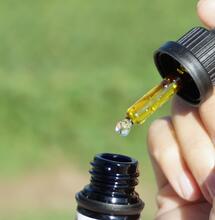
STS is created by combining silver nitrate and sodium thiosulfate. Once applied to a female plant, silver ions interfere with the plant’s ability to perceive ethylene, encouraging the development of male flowers.
Typical application:
- Treatment begins shortly before or during the transition to flowering.
- Only branches intended for pollen production are sprayed.
- Repeat applications every 5 to 7 days according to the chosen protocol.
- Male flowers usually begin forming within a few weeks.
Because of its reliability and relatively low application frequency, STS is the preferred choice for many breeders and seed producers.
Colloidal Silver: The Home Grower’s Option
Colloidal silver works through a similar mechanism but generally requires more frequent applications.
Most growers use solutions of at least 30 ppm and begin spraying several days before switching to a 12/12 flowering schedule.
Typical application:
- Spray the target branches daily.
- Continue treatments until male flowers become clearly visible.
- Maintain consistent coverage throughout the treatment period.
While more labor-intensive than STS, colloidal silver remains popular among hobby breeders because it is relatively easy to obtain and use.
Step-by-Step Feminized Seed Production
1. Select Stable Genetics
Choose a healthy female plant with desirable traits such as vigor, resin production, terpene expression, yield, or cannabinoid content.
Ideally, the plant should demonstrate good stability and show no tendency toward unwanted hermaphroditic expression under normal growing conditions.
2. Create an Isolated Breeding Space
Cannabis pollen is remarkably mobile and can travel considerable distances.
To prevent accidental pollination, perform breeding projects in a dedicated grow tent, breeding room, or isolated area that is completely separated from flowering plants intended for consumption.
3. Treat the Donor Plant
Apply either STS or colloidal silver to the selected donor plant according to the chosen protocol.
Many breeders treat only specific branches rather than the entire plant, making pollen collection easier and reducing waste.
4. Pollinate the Receiver Plant
Once the donor plant begins releasing pollen, introduce an untreated female plant that is producing fresh white pistils.
Pollen can be applied by gently shaking the donor plant, collecting pollen for manual application, or using a small brush to target specific branches.
5. Allow Seeds to Mature
Successful pollination becomes evident as pistils darken and seed-bearing calyxes begin to swell.
Seeds generally require 4 to 6 weeks, and sometimes longer depending on the cultivar, to reach full maturity. Mature seeds are typically hard, dark, and often display characteristic striping.
Safety Considerations
Silver Thiosulfate and concentrated colloidal silver solutions should always be handled responsibly.
When mixing or applying these products:
- Wear gloves and eye protection.
- Avoid inhaling sprays or aerosols.
- Follow the manufacturer’s safety instructions.
- Store chemicals securely away from children and pets.
Just as importantly, any plant material treated with STS or colloidal silver should not be smoked, vaporized, processed into extracts, or consumed in any form. Treated plants are intended solely for pollen production and breeding purposes.
After collecting pollen, dispose of treated plant material responsibly and keep it separate from consumable cannabis products.
The Bottom Line
Feminized seed production is one of the most important innovations in modern cannabis cultivation. By temporarily suppressing ethylene signaling in a female plant, breeders can produce female pollen and create seeds that will develop into female plants with a very high degree of reliability.
Whether using Silver Thiosulfate or colloidal silver, success depends on careful timing, stable genetics, proper isolation, and strict attention to safety. When done correctly, the result is a dependable supply of feminized seeds and a much more predictable future harvest.
More from Soft Secrets:
Disclaimer: Cannabis cultivation laws vary by region. Readers are advised to check and comply with the regulations applicable in their local jurisdiction before cultivating cannabis.
S
Soft Secrets