Understanding Nematodes in Cannabis: How to Identify Beneficial Parasites
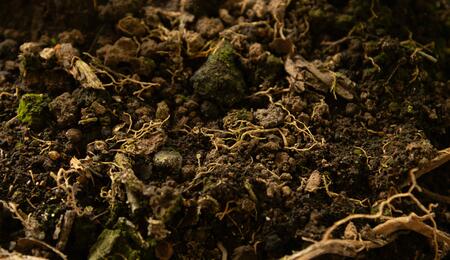
Nematodes are tiny, worm-like organisms that play a critical role in marijuana cultivation. These nematodes represent the Yin and Yang of microbial life within the cannabis growing medium. While some species can be harmful, others are extremely beneficial. Millions of nematodes inhabit almost every terrestrial and aquatic ecosystem, capable of either damaging plant tissues or enhancing soil health and marijuana yields.
Despite their significance, systematic research on nematodes in the context of marijuana cultivation remains limited. With around 27,000 known species and possibly millions more yet to be discovered, there’s still much to explore about their impact on cannabis growth.
What Types of Nematodes Are Harmful to Cannabis Plants?
Nematodes are classified based on their feeding habits, which directly affects their impact on plant health. Phytoparasitic nematodes, for example, are harmful to marijuana plants. These nematodes, like root-knot nematodes, penetrate plant roots using a stylet and suck out nutrients. This process leads to cellular changes, such as the formation of galls or visible knots on the roots, which are particularly common in cannabis crops grown in poor-quality media.
The most significant nematode types in cannabis cultivation are those that feed directly on root tissue, causing serious damage. This tissue destruction can allow secondary pathogens like Fusarium, Pythium, and harmful bacteria can invade, compounding the stress on cannabis plants.
How Can You Detect Nematode Parasites in Cannabis Crops?
Detecting nematode parasites is crucial for cannabis growers. As any experienced grower knows, these nematodes can create significant stress for marijuana plants. The deformities they cause lead to vascular failure, blocking vital water and nutrient transportation. In advanced cases, nematode infestations can result in sudden plant death, making recovery nearly impossible.
Nematodes display various signs, but many are microscopic and invisible to the naked eye. The most common indicators include knots and galls that disrupt normal root development, thereby compromising the plant's health, nutrient uptake, lifespan, and ultimately, its yield.
How Can Beneficial Nematodes Improve Cannabis Cultivation?
Beneficial nematodes are essential indicators of a healthy growing medium. When substrate quality, fertilisation, irrigation, and overall plant health are optimal, beneficial nematodes thrive in the root zone, engaging in beneficial processes that promote plant growth.
Cannabis growers should prioritise the presence of bacterivorous and fungivorous nematodes—organisms that feed on soil bacteria and fungi, including those that could be harmful to cannabis crops. These beneficial nematodes play a crucial role in mineral salt absorption and maintaining a balanced rhizosphere.
What Steps Can You Take to Foster Beneficial Nematodes in Your Cannabis Grow?
To promote the activity of beneficial nematodes, growers should follow standard practices: use high-quality inputs, maintain a healthy crop, and implement an integrated pest management plan. Additionally, the incorporation of biostimulants, Trichoderma, and mycorrhizae can significantly enhance relationships within the rhizosphere and help encourage the proliferation of beneficial nematodes.
By understanding and managing the role of nematodes in cannabis cultivation, growers can harness their potential to enhance plant health and maximise yields while keeping harmful species in check.
More From Soft Secrets:
L
Liz Filmer