How Does Carbon Filtering Work in the Grow Room?
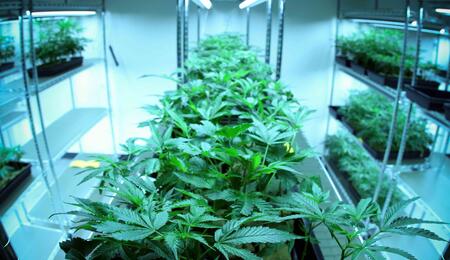
carbon filtering is essential to manage odour effectively
Understanding how carbon filtering works is essential for indoor cannabis growers looking to manage odor effectively. In this article, we'll explore the science behind carbon filters, their mechanisms, and their applications.
What is Carbon Filtering?
Carbon filtering is a process that utilizes activated carbon to remove contaminants and impurities. Each granule of activated carbon has a significant surface area, which maximizes the exposure to contaminants. Activated charcoal, which is carbon that has been treated with oxygen, creates millions of tiny pores between carbon atoms. These specially manufactured crystals can have a surface area ranging from 300 to 2,000 square meters per gram.
How Does Activated Carbon Work?
Activated carbon works through a process known as adsorption. This process involves the attachment of odor-causing particles to the surface of the activated carbon. When gases or liquids pass over activated charcoal, odorous substances adhere to its surface, effectively trapping them.
What is Adsorption?
Adsorption is the process by which molecules or atoms attach themselves to a surface due to chemical attraction. Unlike absorption, where molecules are absorbed into the material (like how a sponge soaks up water), adsorption allows particles to stick to the surface without changing the material's volume or appearance. This is why you might not notice a visual change when odor molecules attach to activated carbon.
Why Use Activated Carbon?
The vast surface area of activated charcoal provides numerous bonding sites, allowing it to effectively trap organic impurities like odors and substances such as chlorine. However, it's worth noting that activated carbon does not adsorb all types of chemicals; for example, sodium and nitrates are not attracted to it. Therefore, a carbon filter selectively removes specific impurities while allowing others to pass through.
Where Are Carbon Filters Used?
Carbon filters are versatile tools used in various applications to eliminate impurities. They are effective in:
- Indoor Cultivation: Removing unwanted odors in cannabis grow rooms.
- Water Purification: Used in water processing facilities and coffee machines.
- Air Conditioning Systems: Ridding indoor air of unpleasant smells.
- Aquariums: Maintaining clean and odor-free water environments.
In summary, understanding how carbon filtering works and the science behind activated carbon can help you utilize these filters more effectively. Whether you're growing cannabis indoors, purifying water, or improving air quality, carbon filtering remains an essential technique for removing unwanted odors and impurities.
For anyone seeking to enhance their indoor gardening experience or improve air quality, investing in a quality carbon filter is a smart choice.
More From Soft Secrets:
Why Is Negative Pressure Important in Your Grow Room?
How to Keep Your Grow Tent Cool in a Heat Wave
L
Liz Filmer