Why Is Negative Pressure Important in Your Grow Room?
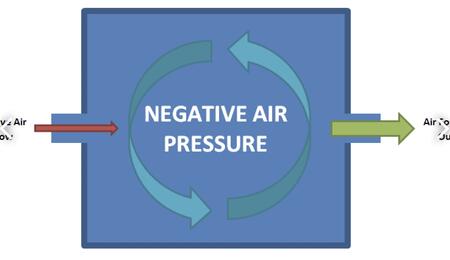
negative pressure is generated by the balance of air entering and leaving the space.
Negative pressure is a term often used in indoor gardening, but what does it really mean? In simple terms, negative pressure occurs when an enclosed space, like your grow room, has a lower air pressure compared to its surroundings. Imagine using a drinking straw: when you suck air out, you create a vacuum that draws liquid into the straw.
How Does Negative Pressure Work in Your Grow Room?
In the context of your grow room, negative pressure is generated by the balance between air entering and leaving the space. If your extraction fan removes more air than your intake fan brings in, you create a vacuum. You can visually confirm negative pressure by checking if the sides of your grow tent appear concave or pulled in—this is an indication that you've successfully achieved negative pressure.
What Are the Benefits of Negative Pressure for Plants?
How Does Negative Pressure Help Maintain Optimal Conditions?
Creating a negative pressure environment in your grow room is crucial for several reasons:
1. Humidity and Temperature Control: Negative pressure helps quickly remove hot, humid air, maintaining a stable temperature and humidity level that is vital for healthy plant growth.
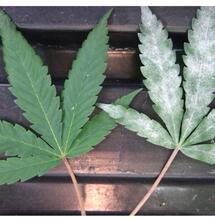
2. Prevention of Mold and Mildew: By managing the air circulation and humidity, negative pressure reduces the risk of mold and mildew development, ensuring a healthier environment for your plants.
3. Odor Control: The negative pressure also plays a significant role in eliminating unwanted odors. By fitting a carbon filter to your extraction system, you can scrupulously clean the air exiting your grow room, preventing odors from seeping into your home.
How Can You Create Negative Pressure in Your Grow Room?
What Equipment Do You Need for Negative Pressure?
To achieve negative pressure, adequate ventilation is crucial. Here's what you need:
1. Two Fans: An intake fan to bring in cool, clean air and an extraction fan to expel warm, odorous air.
2. Fan Sizes: Your extraction fan must be more powerful than your intake fan. This ensures that more air is leaving than entering, maintaining negative pressure. Consider investing in a larger extraction fan so you can run it quietly while still having additional power for extremely hot or humid days.
3. Ducting Considerations: Invest in acoustic ducting to minimize noise. Keep the ducting straight and short—long or twisted sections can reduce airflow by up to 2% for every meter.
Creating negative pressure in your grow room is essential for optimizing plant health, controlling humidity and temperature, and managing odors. By understanding and implementing the right ventilation equipment and techniques, you can ensure a thriving indoor garden. Are you ready to enhance your grow room with negative pressure?
More From Soft Secrets:
L
Liz Filmer