Scent as a Defence: Natural Buit-in Pest Control
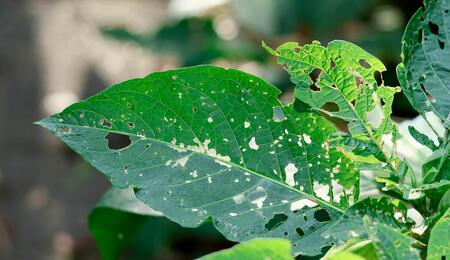
volatile substances released attract insects that prey on pests
Cannabis plants, like many other flora, are not defenceless against pests. While they cannot escape from threats, they employ remarkable strategies to secure their survival. One such strategy involves the release of aromatic substances—natural plant volatiles—into the air, which attract the predators and parasitoids of the insects that feed on them. But how exactly does this fascinating defence mechanism work?
How Do Cannabis Plants Detect Pest Attacks?
When pests, such as caterpillars or aphids, begin to feed on cannabis leaves, plants may seem unresponsive at first. However, significant metabolic changes are underway within their cells. The plant initiates the production of volatile organic compounds known as Herbivore-Induced Plant Volatiles (HIPVs). These compounds evaporate from the leaf surface and disperse into the surrounding environment.
To trigger this chemical defence mechanism, a plant must first recognise it is under threat. Interestingly, the simple mechanical damage—such as trimming leaves—does not provoke the same response as insect feeding. Instead, the unique chemical signatures left behind by the feeding insects signal danger. As pests consume the plant material, they introduce saliva and digestive secretions onto the leaf surface. Specialized receptors within the plant cells can detect these biological signals, which in turn triggers a series of internal reactions involving plant hormones like jasmonic acid. The movement of these hormones helps coordinate a tailored defensive response against the specific pests identified.
How Does the Scent Help Attract Beneficial Insects?
The volatile substances released by plants act as attractants for insects that prey on the pests. For instance, parasitoid wasps lay their eggs inside living caterpillars. Finding a suitable host hidden within a large ecosystem can be challenging; however, these beneficial insects can locate their targets by following the blend of compounds emitted by an attacked plant.
Predatory insects, such as predatory true bugs (Hemiptera), also utilise similar strategies. They rely on the released volatile substances to determine their direction, moving towards areas with increasing concentrations of the chemical signals until they reach the plant, where they can find their prey. This means that while pests are feeding, they unintentionally create a chemical trail that leads their natural enemies directly to them.
What Happens When Plants Are Attacked by Multiple Pests?
In nature, cannabis plants may face multiple pest attacks simultaneously. For example, a single cannabis plant might host aphids feeding on its leaves, spider mites hiding below, and beetles damaging its buds. This situation raises an important question: can beneficial insects still follow the chemical signals when faced with a complex mixture of scents?
A recent meta-analysis, published in 2025, sheds light on this query. Researchers examined changes in the emission of volatile compounds from plants undergoing simultaneous attacks by various herbivores. They found that the presence of multiple pests alters the composition of the emitted substances. However, despite this complexity, the signals remain intelligible to beneficial insects. The study revealed that even with simultaneous attacks, the chemical profile emitted by the plant effectively attracts natural predators, proving that these intricate signals still function as effective communication.
How Does This Work as a Form of Communication?
The relationships between plants, herbivores, and beneficial insects exemplify a unique form of communication in nature. It is essential to note that this is not a conscious transmission of information. The plant does not intentionally summon the natural enemies of its pests; instead, it simply produces a signal that other organisms utilise. Predators and parasitoids can detect the substances released in response to pest stress, enabling them to locate their prey more efficiently. As pests are removed, the plant’s chances of survival increase.
In the grand scheme of evolution, a form of indirect cooperation has developed—one that mimics a purposefully organised communication system. This intricate interplay signifies the resilience and adaptability of plants in their ongoing battle against pests, highlighting the fascinating connections within the ecosystem.
By understanding these processes, cannabis cultivators can better appreciate the natural mechanisms at play and may choose to foster environments that encourage the presence of beneficial insects, thus enhancing the health and yield of their plants.
More From Soft Secrets:
L
Liz Filmer