All in – Tyson Wall on risk, setbacks and growing for a living
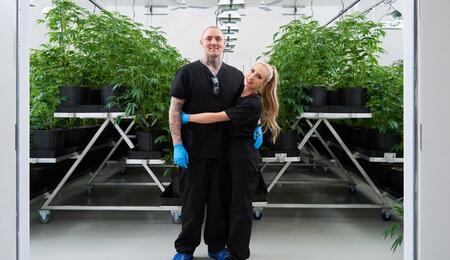
Tyson Wall put everything he had into Kush Mountain, a licensed indoor facility in Canada. He talks openly about the risks he took, what went wrong, and what keeps him going.
Tyson Wall doesn't describe growing as a career choice. He describes it as something that took hold early and never let go. "I realized I was always intrigued with growing, and it became an obsession," he says. "It was, and still to this day is, always about how I can improve. If it's not hands-on, it's the systems around the plants."
Turning that obsession into a business was a bigger step. "I always felt deep inside that I was meant to be a career grower. Enough so that I was willing to risk my whole life's earnings." He didn't do it alone. A business partner was willing to take the same risk, and his wife backed him. Together they built Kush Mountain, a licensed indoor facility producing premium flower for Canada's recreational and medical markets.
Plants first
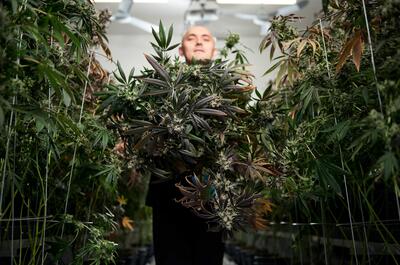
Every day at Kush Mountain starts the same way: a walk through the facility. The cultivation team is growing, and Wall wants them to look before they read the screens. "It's not 'What do the sensors tell us?' It's 'What do the plants tell us, and how do the sensors verify it?'"
How does the room feel? How are the plants reacting? The plants lead the way, and the team adjusts the room to what they show.
Learning a second job
When Wall started, Canada's legal market was still taking shape, and the biggest surprises came from outside the grow room. "Some of the biggest surprises in the first few years were really all around regulation," he says. "Along with regulation comes sales."
Every province has its own system, its own product calls and its own review windows. "It can take six months just to find out if your product listing is accepted before sales even start."
Running a licensed facility, he found, is a different job from growing. "You have to force yourself to learn new things every day." In his company he wears many hats: quality, regulatory, sales, branding, forecasting. The costs surprised him too. Labour and hydro were never the issue. Certifications were: holding them, renewing them and working toward new ones, with fees at every step and facility upgrades that take a lot of time.
The day they chopped everything
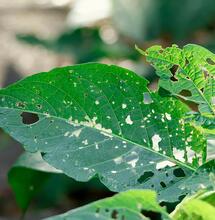
Wall is open about the hardest moment so far: discovering russet mites and deciding to chop the whole facility, sanitise everything and start again. "Although that may sound extreme, certain circumstances call for tear-the-Band-Aid-off protocols."
He has seen the pressure change over the years. "Back in the day, we didn't have genetics flying across the world, so we didn't have to deal with a new set of pests from different regions."
The reset exposed a hole in their pest management and, in his words, made them stronger. It also changed the question the team asks. "Anytime we have a problem, it's not 'How do we fix it?' It's 'How do we never end up here again?'"
At their size, the stakes are personal. "In a small facility, every crop matters. If we lose one crop, that could be our profit for the year. That's a hard pill to swallow."
Notes for the next run
That is why Wall is so focused on repeating what works. His flower rooms are built as identically as possible, and when one room shows a design flaw, the fix goes into all of them. "Matching quality crop to crop isn't a guessing game. It's documentation and repeatability." Instead of a target VPD alone, each room has daily or weekly goals, and every adjustment goes into the notes for the next run.
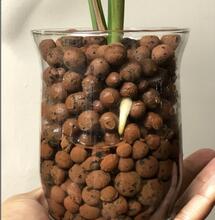
It is also why he is strict about inputs. "If you have a substrate that is inconsistent from batch to batch or pallet to pallet, how are you going to nail dryback in all of your zones effectively?" For a busy team, consistent media is "almost the foundation of cultivation". The same goes for nutrients, not for a couple of runs but all year.
One less thing to worry about
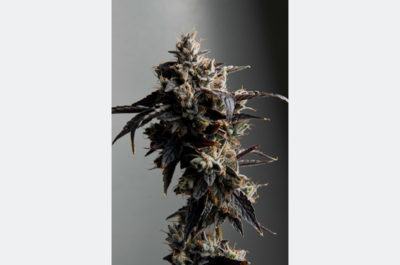
With the nutrient lines Kush Mountain used before, it seemed there were always little issues: a minor deficiency, some fallout, or the aftermath in the irrigation system. Before switching to CANNA, Wall ran a side-by-side. "It just felt right. We had lush, predictable growth, less buildup on our drippers and tables, and the terps were there."
Now it is simply part of how they work. The team likes working with the CANNA COCOflex bag, the programme is simple enough to bring new staff in easily, and when questions come up, the CANNA team is always responsive and solution-based.
Looking back
Asked what he would share with growers in South Africa, Wall speaks from his own path. Kush Mountain picked one lane and stayed in it for the first three years. "There's always a new, exciting product coming out, but I have seen a lot of people lose when they try to do too many things at once."
He would like to see growers and the people who make the rules sit at the same table. "It would be really nice if there was a system that brought the operators and the regulators together for review. Working in synergy as the industry moves forward is beneficial for everyone."
And to the home grower who dreams of going commercial one day, he offers what drives him himself: go deep and keep asking why, from cloning to curing. "Maybe that sounds like a lot, but there is more information and case studies available today than there ever have been."
Website; https://www.kushmountaincraft.com/
Social Media; https://www.instagram.com/kushmountaincraft/
S
Soft Secrets