Potassium: The Essential Nutrient for Plant Quality and Health
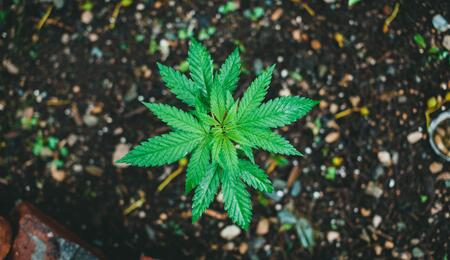
Potassium is a vital nutrient required by all living cells, playing a crucial role in plant health and development. Often referred to as the "quality nutrient," potassium is essential for photosynthesis, reproduction, and overall plant growth. It influences characteristics such as size, color, shape, and even the taste of fruits and vegetables. Additionally, potassium helps enhance crop yields and improve plants' resilience against diseases.
Potassium is a vital nutrient required by all living cells, playing a crucial role in plant health and development. Often referred to as the "quality nutrient," potassium is essential for photosynthesis, reproduction, and overall plant growth. It influences characteristics such as size, color, shape, and even the taste of fruits and vegetables. Additionally, potassium helps enhance crop yields and improve plants' resilience against diseases.
How Does Potassium Support Plant Functionality?
Inside plant cells, potassium helps maintain turgor pressure, preventing wilting and promoting structural stability. It is also vital for the proper functioning of stomata—tiny openings on the leaves that regulate gas exchange during photosynthesis and control water movement within the plant. By acting as an enzyme activator, potassium provides energy for numerous biochemical processes that occur within plant tissues.
How Can I Ensure My Plants Get Enough Potassium?
To supply your plants with sufficient potassium, look for fertilizers labeled with NPK (Nitrogen, Phosphorus, and Potassium). These fertilizers are the primary source of potassium for your plants. If you're looking to give your plants an extra boost, consider adding a bloom booster at the right growth stage. Organic solutions, such as potash mixed into the soil, can also effectively enhance potassium levels.
What are the Signs of Potassium Deficiency in Plants?
While potassium deficiencies are rare in hydroponic systems, they can occur in soil-based growing. Symptoms of potassium deficiency include:
- Burnt leaf tips
- Brown or pale-colored leaves
- Dark spots forming on leaves
- Yellowing of lower leaves
Plants may exhibit slowed growth or stretching, with leaves and fruit developing at different rates. You may also notice twisting or abnormal curling of leaves, indicating a potential potassium deficiency.
How Can I Remedy a Potassium Deficiency?
To address potassium deficiency quickly, using a bloom booster can be highly effective, as it is readily absorbed by plant roots. Foliar feeding is another method to quickly deliver nutrients directly to the leaves. Additionally, check the pH of your water; an imbalanced pH can hinder potassium uptake. If necessary, flush your system using half-strength feed and monitor for improvements.
Can an Excess of Potassium Harm My Plants?
Generally, excess potassium does not appear to have direct adverse effects on plants. However, it can lead to imbalances, causing deficiencies of other important nutrients like nitrogen, calcium, and magnesium. Since many nutrient deficiency symptoms can resemble one another, it's essential to seek a second opinion if you're uncertain about the issue.
More From Soft Secrets:
L
Liz Filmer