Powdery Mildew, What is it and How to Prevent it

Powdery mildew is a prevalent fungal disease that can significantly impact the health of your plants, leading to reduced quality and quantity of flowers and fruit. This disease manifests as a white, powdery layer on plant leaves, composed of countless microscopic spores that can easily spread to other plants.
How Does Powdery Mildew Appear on Plants?
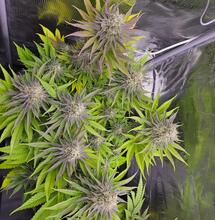
Powdery mildew typically presents as light greyish-white powdery spots, primarily on the upper side of leaves. However, it can also be found on the underside of leaves, stems, flowers, fruits, and vegetables. If left untreated, these marks can quickly spread across the entire plant, with the newest growth being the most vulnerable to infection.
What Conditions Favour Powdery Mildew Growth?
Powdery mildew thrives in warm, humid environments with poor air circulation and insufficient light. These conditions are particularly prevalent in grow rooms. If these factors are not addressed, you may encounter significant plant damage, which includes yellowing leaves, distortion, stunted growth, and even failure to flower.
How Can You Identify Powdery Mildew Damage?
Signs of powdery mildew damage include yellowing or withered leaves, as well as distorted growth patterns. If the disease isn’t managed promptly, it can severely diminish your plants' ability to absorb water and nutrients. Additionally, dormant spores can linger in aged plant matter, potentially initiating new outbreaks.
How Can You Prevent Powdery Mildew?
Prevention is the Best Cure: Keeping your plants safe from powdery mildew is much easier than treating an active infection. Consider the following prevention strategies:
- Ensure Adequate Light: Evenly distribute light to prevent shady spots that favor mildew growth.
- Improve Air Circulation: Prune congested areas to boost air circulation and lower humidity levels.
- Space Plants Correctly: Provide sufficient space between plants to reduce the risk of infection spreading.
- Utilize Ventilation Systems: Employ an adequate ventilation system to promote beneficial air circulation.
- Monitor Light Exposure: Use grow light timers to guarantee that plants receive sufficient light.
- Careful Fertilization: Regularly check your feed strength and frequency to ensure steady growth, minimizing the risk of infection.
- Maintain Cleanliness: Conduct thorough cleaning of your grow room, especially after each harvest or every three months.
How Can You Control an Existing Powdery Mildew Infection?
Once powdery mildew has taken hold, controlling it can be a challenge. Here’s how to manage an outbreak effectively:
- Remove Infected Parts: Carefully remove and destroy all infected foliage and fruit. Avoid composting diseased materials, as this can allow spores to spread to other plants.
- Sterilize Pruning Tools: After pruning infected areas, sterilize your pruners to prevent further contamination.
- Organic Treatments: Consider using sulfur, lime-sulfur, neem oil, or potassium bicarbonate as effective organic treatments. These solutions work best for prevention or when applied at the first sign of mildew.
- Baking Soda: Mix one teaspoon of baking soda in 250ml of water and spray your plants to kill any fungus it contacts.
- Milk Spray Remedy: A diluted milk spray (at a 1:10 ratio with water) serves as a DIY remedy, which can be used as a preventative measure or at the onset of symptoms.
By understanding powdery mildew and implementing preventative measures, you can protect your plants from this common fungal disease. Remember, quick action can make all the difference. Equip yourself with knowledge and effective strategies to maintain the health of your garden!
More From Soft Secrets:
L
Liz Filmer