What Are the Benefits of Using Clay Pebbles?
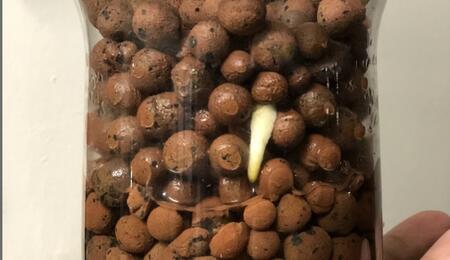
Clay pebbles, also known as expanded clay aggregates, are small, lightweight, and porous stones made from clay that is fired at extremely high temperatures. Their unique manufacturing process results in irregular shapes that provide optimal support for plants in various growing mediums, making them a popular choice for hydroponic systems, as well as for use in soil and coconut coir setups.
Why Choose Clay Pebbles for Your Hydroponic System?
What Are the Benefits of Using Clay Pebbles?
1. Aeration:
Clay pebbles are highly effective at aerating the plant root system. Their lightweight and porous structure allows them to trap air, which is crucial for healthy root development.
2. Water Retention and Drainage:
One of the standout features of clay pebbles is their exceptional capacity for both water retention and drainage. They can capture excess water in their micropores for later use and efficiently drain away any surplus moisture, preventing root rot.
3. Eco-Friendly:
Made from 100% organic clay, these pebbles are not only pH neutral but also contribute to a healthier environment. They are free from harmful chemicals, making them a sustainable option for eco-conscious growers.
4. Reusable:
Clay pebbles have a long lifespan and can be washed and reused multiple times. To maximize their longevity, it’s essential to keep them moist if you plan on reusing them.
How to Prepare and Care for Clay Pebbles?
What Are the Top Tips for Using Clay Pebbles?
1. Rinse Before Use:
Always rinse your clay pebbles before adding them to your system. This step removes dust and debris, preventing blockages in your reservoir. For best results, soak them for 6-24 hours with an air stone and ensure they remain saturated in a 3-inch radius around your plants.
2. Add Nutrients Before First Use:
After rinsing, place your pebbles in a container filled with a nutrient solution with an electrical conductivity (EC) below 0.4. This prepares the pebbles to deliver essential nutrients from the very start, ensuring healthy plant growth.
3. Regular Rinsing:
As an inert medium, clay pebbles do not provide nutrients on their own. However, their high cation exchange capacity (CEC) allows them to retain nutrients for longer. Regular rinsing with fresh, pH-adjusted water is crucial to prevent salt buildup, which can lead to phytotoxicity that harms plant health.
4. Enhance Water Retention by Crushing Pebbles:
Crushing clay pebbles can increase their water retention by reducing macro-pores. However, be cautious if using net pots, as finely crushed pebbles may pass through the mesh.
Elevate Your Growing Medium with Clay Pebbles
Using clay pebbles in your hydroponic systems, coco, or soil setups can significantly enhance plant growth by improving aeration, drainage, and nutrient availability. Regardless of your gardening method, the versatility and eco-friendliness of clay pebbles make them an excellent addition to your gardening toolkit. Whether you’re a beginner or an experienced grower, incorporating clay pebbles can elevate your gardening experience.
More From Soft Secrets:
How Does Carbon Filtering Work in the Grow Room?
Potassium: The Essential Nutrient for Plant Quality and Health
L
Liz Filmer