The Rising Potential of Minor Cannabinoids
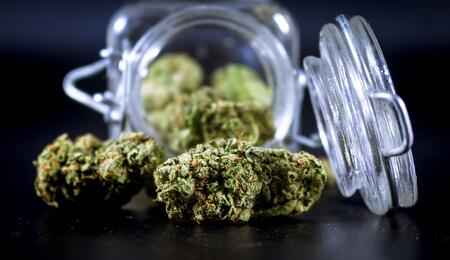
Minor cannabinoids are lesser-known compounds found in cannabis, such as Cannabigerol (CBG), Cannabichromene (CBC), Cannabinol (CBN), and Tetrahydrocannabivarin (THCV). Unlike THC, these compounds do not produce a psychoactive "high," making them intriguing options for health and wellness products. With the cannabis market predicted to evolve, these minor cannabinoids are emerging as promising therapeutic agents for various conditions.
Minor cannabinoids are lesser-known compounds found in cannabis, such as Cannabigerol (CBG), Cannabichromene (CBC), Cannabinol (CBN), and Tetrahydrocannabivarin (THCV). Unlike THC, these compounds do not produce a psychoactive "high," making them intriguing options for health and wellness products. With the cannabis market predicted to evolve, these minor cannabinoids are emerging as promising therapeutic agents for various conditions.
How Can Minor Cannabinoids Help with Health and Wellness?
Recent research suggests that minor cannabinoids may effectively treat conditions like obesity, nausea, insomnia, inflammation, and even chronic pain. This discovery allows cannabis businesses to create innovative products, expanding beyond traditional THC and CBD offerings. The incorporation of minor cannabinoids into edibles and vape products enables consumers to explore new ways to manage their health.
What Are the Specific Benefits of Minor Cannabinoids?
1. Cannabigerol (CBG): May help reduce inflammation, manage pain, and alleviate nausea.
2. Cannabichromene (CBC): Known for its potential anti-cancer and anti-tumor properties.
3. Cannabinol (CBN): Often used as a sleep aid or sedative to improve sleep quality.
4. Tetrahydrocannabivarin (THCV): Dubbed "diet weed," it is believed to support weight loss and metabolic health.
What Is the Market Potential for Minor Cannabinoids?
In 2020, the U.S. market for minor cannabinoids was valued at approximately $4.9 billion. As the trend towards cannabinoid-based medicine continues to grow, this sector is expected to expand rapidly. Many consumers now prefer cannabinoid-based options due to their beneficial health effects on chronic pain, arthritis, neurological disorders, and metabolic issues.
How Do Minor Cannabinoids Interact with THC?
Pairing minor cannabinoids with THC in specific ratios can enhance the overall effects, providing users with a more balanced experience. However, understanding the unique chemical interactions between these compounds and their effects on the human body requires further research.
Why Is More Research Needed on Minor Cannabinoids?
While studies demonstrate the potential of minor cannabinoids to revolutionize treatment options, much remains unknown. The intricate pharmacological landscape of these compounds necessitates continuous research to unlock their full therapeutic potential. The challenge lies in isolating these minor cannabinoids, as they are typically produced in small quantities.
Could Minor Cannabinoids Be the Future of Therapeutics?
As research progresses, the unanswered question remains: could one of these minor cannabinoid compounds hold the key to groundbreaking therapeutics? With more studies on the horizon, the exploration of minor cannabinoids is crucial for advancing cannabis-based healthcare solutions.
In summary, the potential of minor cannabinoids is becoming increasingly recognized in 2026, offering exciting opportunities for both consumers and cannabis businesses alike. Continued research and innovation in this field can pave the way for new therapeutic applications and enhanced wellness solutions.
More From Soft Secrets:
The Entourage Effect: What Creates it?
Unlocking the Potential of Cannabis Leaves: Insights from a Study on Phenols
L
Liz Filmer