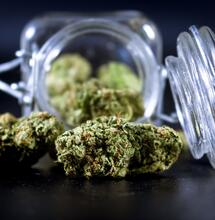
CBDV: A Promising Phytocannabinoid
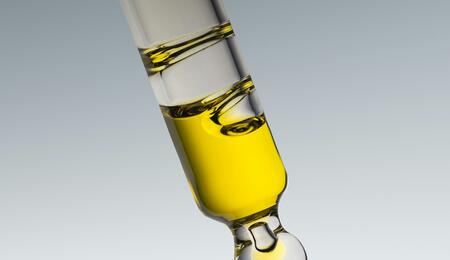
Cannabidivarin (CBDV) is a non-psychoactive compound found in the cannabis plant (Cannabis sativa). It is closely related to cannabidiol (CBD) but has a shorter side chain. Unlike many other cannabinoids, CBDV does not produce a “high,” making it an attractive option for those seeking the health benefits of cannabis without the psychoactive effects.
Why is CBDV Important?
CBDV is gaining attention for its potential health benefits, particularly in treating epilepsy and neurodevelopmental disorders. Research indicates that CBDV could be an effective anticonvulsant, which makes it a promising candidate for conditions like Rett syndrome, a severe neurological disorder.
How is CBDV Extracted?
CBDV is typically extracted using methods like supercritical CO₂ or ethanol extraction from cannabis plants. This process transforms the acidic form of CBDV (CBDVA) into CBDV through heat. Innovative synthetic methods are also available, allowing for controlled production of high-purity CBDV.
Which Cannabis Strains Contain CBDV?
While CBDV is usually present in small amounts (0.2%-0.5%) in cannabis, certain strains from Asia, particularly in northwestern India and Nepal, have higher concentrations. Modern breeding efforts have resulted in varieties that contain up to 6% CBDV. Popular strains like "CBD-Victory" are gaining popularity for their rich CBDV content.
How Can You Consume CBDV?
There are several ways to consume CBDV, including:
- Oils and extracts: These may be isolates or full-spectrum products.
- Tinctures**: Liquid extracts that can be taken sublingually.
- CBDV-rich flowers: Whole flower cannabis high in CBDV.
- Pharmaceutical formulations**: Under research for various conditions.
Availability may vary, as CBDV products are often harder to find than CBD products.
What Are the Medical Benefits of CBDV?
1. Anticonvulsant Properties: In clinical trials, CBDV has shown promise in reducing seizure frequency in children with Rett syndrome.
2. Support for Autism Spectrum Disorders (ASD): Animal studies suggest that CBDV may help improve social behaviors and reduce repetitive actions in children with ASD.
3. Anti-nausea Effects: Research indicates that CBDV may help reduce nausea, making it a potential treatment option for those struggling with this condition.
Are There Any Side Effects?
In early studies, CBDV appears to be well-tolerated, with most side effects being mild or moderate. Common side effects include:
- Dry mouth
- Drowsiness
- Gastrointestinal disturbances
It’s important to consult with a healthcare provider before using CBDV, especially if you’re pregnant, breastfeeding, or taking other medications.
CBDV is an exciting phytocannabinoid with the potential to improve the lives of individuals with various medical conditions. As more research unfolds, CBDV could become an integral part of the cannabinoid landscape, offering benefits alongside more well-known compounds like CBD and THC. If you’re curious about CBDV, consider exploring the available products or consulting a healthcare professional.
More From Soft Secrets:
L
Liz Filmer