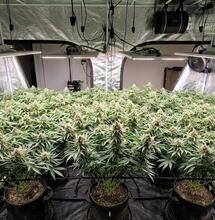
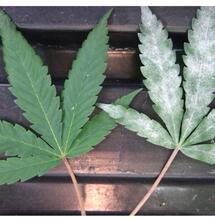
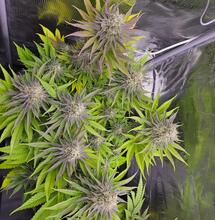
Controlling Pests in an Indoor Garden
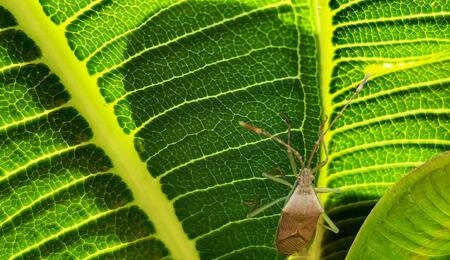
Pests are an inevitable part of gardening. They will appear at some point, regardless of how careful you are, and can cause damage to your plants. The best way to defend against bugs is to take proactive measures to prevent them from the start.
There is a common misconception that growing indoors means you are free from pest threats. However, pests can affect indoor gardens just as they do outdoor ones. Even with proper care to maintain a healthy and controlled growing environment, bugs can still make an appearance.
Starting your plants from seeds significantly reduces the risk of pest problems. When you introduce mature plants or cuttings into your indoor environment, there is a chance that pests may be present in the soil or on the plants' foliage.
How do I Prevent Pests in an Indoor Garden?
1. Grow from Seeds: Starting your plants from seeds is an excellent way to prevent pests and provides a valuable learning experience.
2. Check Plants Regularly: Regularly inspect your plants to identify and eliminate pests before they reach infestation levels. Look for signs of damage, such as discoloration, residue, or holes in the leaves.
3. Use Clean, Sanitized Pots: Always use clean, sanitized pots and system elements to prevent creating an environment conducive to pests and disease.
4. Maintain Plant Upkeep: Regularly remove dead leaves and isolate any plants that you suspect may be infected.
5. Control Environmental Conditions: Keep environmental controls consistent and monitor them throughout each lifecycle stage, including temperature, humidity, and airflow.
5 Common Pests in an Indoor Garden
1. Whiteflies: Look for a black film resembling sooty mold buildup.
2. Aphids: These pests come in various colors and are typically found in clusters on the undersides of leaves.
3. Thrips: Thrips puncture the leaf's outer layer, causing a silvery discoloration. You may also notice tiny bits of black frass (insect droppings).
4. Fungus Gnats: Similar to fruit flies, fungus gnats are weak fliers often seen around the soil, especially if it's fresh, damp compost. Their larvae can damage plants by feeding on fungi in the moist soil.
5. Spider Mites: These tiny pests can be difficult to see without a magnifying glass. Signs of damage include discolored leaves, and they can be hard to eliminate once an infestation occurs.
5 Ways to Eliminate Pests from Your Indoor Garden
There are various solutions available to address the different forms of pests you may encounter. Here are five popular methods:
1. Plant-Based Insecticides: Neem oil, derived from the seeds of the neem plant, disrupts insects' ability to lay eggs. Other sprays with pyrethrin, a plant-based insecticide, can also be effective. These natural insecticides are generally gentler than chemical options.
2. Insecticidal Soaps: These soaps are designed to kill insects without harming your plants. They work by weakening the pests' outer shells, leading to their demise. Frequent application is necessary for effectiveness, but make sure to cover your plants thoroughly.
3. Horticultural Oil: Horticultural oils are refined, non-toxic oils that effectively control pests without damaging your plants.
4. Bug Barriers: Fine mesh screens can be placed over your intake fans to prevent insects from entering your grow room. Equipped with Velcro strips for easy attachment and adjustment, these barriers catch insects while allowing proper airflow.
5. Sticky Traps: Yellow sticky traps can capture flying insects commonly found in indoor gardens. The traps are visually attractive to insects because of their color and can be hung anywhere to help control flying pests without using insecticides.
These are just a few of the many options available to suit your growing environment and pest issues. Additional solutions include smoke bomb treatments, organic sprays, and beneficial predator mites that can help control problematic pests. Remember, prevention is always better than cure. Make it a habit to regularly check your plants for early signs of infestation to avoid a full-blown pest problem.
More From Soft Secrets:
L
Liz Filmer