UV-B Radiation and THC Production in Cannabis
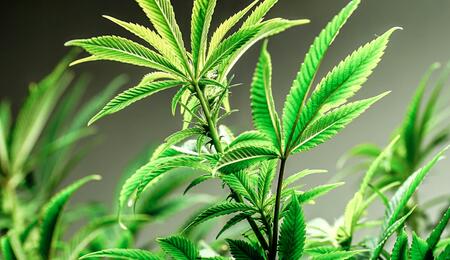
A recent study showed UV-B radiation increases THC
Cannabis produces cannabinoids for specific reasons, and researchers have long asked why. The most convincing answer comes from studying how plants respond to their environment, especially ultraviolet B (UV-B) radiation. A significant study by Lydon, Teramura, and Coffman showed that UV-B radiation triggers the strength of psychoactive substances in cannabis.
Research Focus: Comparing Cannabis Types Under UV-B Light
At the University of Maryland, researchers studied two types of Cannabis sativa: one high in THC (the psychoactive type) and the other used for fiber. Over 40 days, they exposed both types to controlled UV-B radiation to mimic sunlight exposure.
The results showed a key difference between the types. The fiber hemp did not change much, while the psychoactive type increased its Δ9-THC levels based on the amount of UV-B light it received in its flowers and leaves.
THC's Role as a Protection
A crucial finding from this study is that THC serves as a protective shield against UV-B radiation. It absorbs the harmful rays, which can damage DNA and the plant's ability to photosynthesize. This way, THC helps protect the plant's reproductive cells.
Plants from regions with intense sunlight, like equatorial areas, tend to have more THC and trichomes, which is a survival trait against too much light.
Does UV-B Affect Plant Yield?
Some worry that UV light can harm plants. However, this study found that under controlled UV-B exposure:
- Plant height remained the same.
- Overall biomass and dry weight did not change.
- Photosynthesis continued at healthy rates.
This shows that UV-B can enhance quality and chemical profile without affecting yield, as long as it is carefully monitored.
Setting Up UV LEDs Based on Maryland Research
To successfully use these findings in growing cannabis, it's not enough to turn on UV lights all the time. Key factors include dosage and timing.
- When to Apply UV-B: Though you can start using UV-B from the beginning, it is most effective during the flowering stage. At this time, plants are geared up to produce more protective substances for their flowers.
- Using Pulsed UV Light: Instead of keeping UV on for the whole 12-hour day, smart systems typically apply it in 2- to 3-hour bursts during peak sunlight hours. This mimics natural sunlight and boosts the plant's defensive response without draining its energy.
- Controlling Environment: UV-B can raise leaf temperatures. Make sure your climate control system adjusts humidity to keep a stable Vapour Pressure Deficit (VPD). This helps the plant maintain open stomata, allowing for proper transpiration and resin production.
More From Soft Secrets:
L
Liz Filmer