Fungal Diseases in Cool Climates: Anthracnose, Blight and Canker

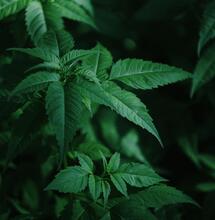
Cool, humid climates allow fungal pathogens to spread rapidly, with leaf wetness duration often determining whether infections take hold.
Cultivating cannabis in the UK and the northern parts of Europe presents a unique set of pathological challenges. The prevailing Atlantic climate—characterised by high humidity, cool springs, and damp autumns—can create a “perfect storm” for fungal pathogens. For the British grower, identifying the difference between simple nutrient stress and a systemic fungal infection like Anthracnose or Canker is vital for crop survival.
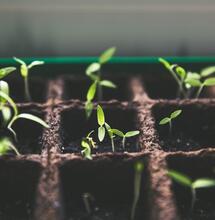
1. Damping-Off: The Seedling’s Greatest Threat
In the cooler, damp starts of the UK outdoor season, “Damping-off” (caused primarily by Pythium or Rhizoctonia) is the leading cause of seedling mortality.
- The Symptoms: The stem thins and “pinches” at the soil line, causing the seedling to collapse suddenly.
- The Solution: Avoid overwatering in peat-based composts which can become waterlogged. Ensure your germination area is kept at a consistent 21–24°C. Using beneficial microbes like Streptomyces griseoviridis (available in many UK garden centres) can help form a biological barrier around vulnerable taproots.
2. Anthracnose and Blight: The Humidity Hazards
Anthracnose (caused by Colletotrichum species) thrives when leaf surfaces remain wet for extended periods and airflow is limited.
- The Symptoms: Look for small, water-soaked spots on leaves that turn dark brown or black. In severe infections resembling leaf blight, this can spread rapidly across the entire canopy, leading to leaf drop and stunted growth.
- Management: Improve airflow by selectively defoliating the lower third of the plant to improve airflow (the “lollipop” technique). Biological products containing Bacillus subtilis (such as Serenade) are highly effective, organic-compliant way to suppress these fungi without using harsh chemicals.
3. Canker: The Silent Stem Killer
Stem Canker is often overlooked until it is too late. It enters the plant through wounds—often caused by aggressive training or insect damage.
- The Symptoms: Sunken, discoloured areas on the main stem or lateral branches. The tissue eventually cracks, “girdling” the branch and cutting off the flow of nutrients.
- Treatment: Prune infected branches at least 10cm below the visible canker using sterilised shears. In wet conditions, sealing large wounds with a plant-safe horticultural wax may help reduce reinfection.

Persistent humidity and limited airflow create ideal conditions for fungal pathogens such as Colletotrichum and canker-causing fungi to infect outdoor cannabis crops.
Integrated Pest Management (IPM)
In the UK and EU, many traditional chemical fungicides are restricted. Contemporary approaches focuse on Prevention over Cure:
- Silica Supplementation: Adding potassium silicate to your feeding regime strengthens the plant’s cell walls, making it physically harder for fungal hyphae to penetrate.
- Humidity Control: In poly-tunnels or greenhouses, use fans to ensure no “dead air” pockets exist, especially during the final weeks of flowering when the risk of Botrytis (Grey Mould) is highest.
Final Words
While the damp European climate invites fungal pressure, a proactive approach to plant hygiene and environmental control can ensure a successful harvest. By choosing resistant genetics and supporting the plant’s natural immune system, you can keep your garden free from the “silent killers” of the cannabis world.
Read more from Soft Secrets:
S
Soft Secrets