The Importance of Landrace Cannabis Strains
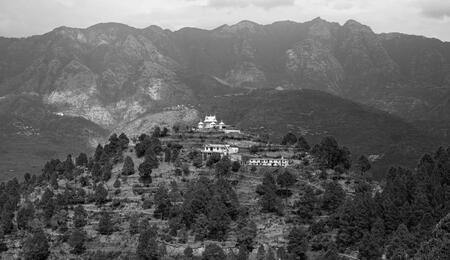
landraces are as a primary source of genetics
Traditional varieties of cultivated plants, known as landraces, play a vital role for plant breeders as they constitute a primary source of genetic resources. These unique cannabis populations arise from their adaptation and evolution to specific environments, influenced by the cultural practices of the communities that cultivate them.
How Are Landraces Misunderstood?
Often, we envision landraces as isolated cannabis populations in remote mountain valleys, untouched by human interaction. However, this misconception overlooks the reality that traditional varieties emerge from the plant's interaction with its environment, continuously shaped by local agricultural practices and uses.
What Are Native Populations?
Native populations refer to plants indigenous to specific locations, evolving without human intervention. These plants, such as gorse (Ulex europaeus) and evergreen buckthorn (Rhamnus alaternus), thrive in their natural ecosystems and have not been cultivated or used by humans.
Can Marijuana Be Considered Native?
In the realm of cannabis, identifying truly native populations is challenging, as most wild strains have historically interbred with cultivated varieties. Current scientific consensus suggests that cannabis originated in Central Asia, western China (including the Tibetan Plateau), and the Himalayan foothills, indicating that native cannabis populations likely do not exist outside these regions.
What Did Nikolai Vavilov Teach Us About Plant Origins?
The study of crop ancestors led biologist Nikolai Vavilov to establish the theory of centres of origin for cultivated plants in the 20th century (Vavilov, 1926). He identified numerous centres where cultivated species arose alongside their wild relatives, a concept applicable to cannabis, as its closest wild relatives are found in Central Asia.
Why Are Original Populations Important for Breeders?
These original populations are essential for plant breeders and the cannabis species itself, serving as reservoirs of genetic diversity that may enhance resistance to diseases, pests, and environmental stresses. Preserving this genetic richness is best achieved by safeguarding their natural habitats.
What Are Naturalised Wild Populations?
Naturalised wild populations occur when plants introduced by humans grow and thrive without management. Distinguishing these from native plants can be complex, often requiring in-depth knowledge of local flora and potentially accurate species identification.
How Does This Relate to Cannabis in Europe?
In Europe, cannabis exemplifies this phenomenon where hemp varieties cultivated for fiber or medicinal use have become naturalised and now grow wild. This adaptability allows cannabis to thrive in various climates, including continental regions with cold winters like Siberia and Romania, as well as warmer Mediterranean or subtropical areas such as India and northern Vietnam.
When Was Cannabis Introduced to the Iberian Peninsula?
Recent studies suggest that cannabis experienced three key introductions to the Iberian Peninsula: during the Palaeolithic, Neolithic, and medieval periods, with the latter two likely human-induced (Rull et al., 2023). This aligns with the understanding that cannabis in Europe corresponds to cultivated varieties or naturalised populations of hemp.
Why Aren't Naturalised Populations Prioritized?
Naturalised cannabis populations typically do not garner much interest in plant breeding or conservation, as they represent a significant proportion of the plant's genetic landscape, yet often remain underexplored.
By understanding these concepts, we can better appreciate the complexity of cannabis genetics and the importance of preserving landraces and naturalised populations for future breeding initiatives.
More From Soft Secrets:
L
Liz Filmer