Compost: What is it and Why is it Beneficial?
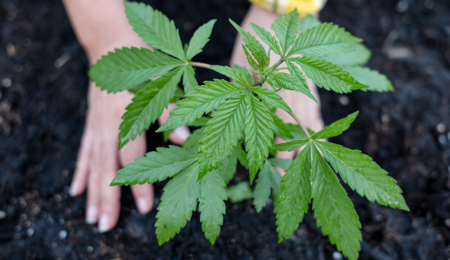
compost is Nature’s nutrient, packed with microorganisms
You may have heard about growing with compost, and maybe thought it was only something farmers or your grandad used! Well, did you know that compost is Nature’s nutrient that is packed full of microorganisms, slow-release nutrients, and has multiple benefits when used for growing cannabis?
What is compost made of?
Basically, everything that is organic and made from carbon will break down into compost. Any living thing that enters a state of decomposition is classed as compost, and these range from garden waste to food waste.
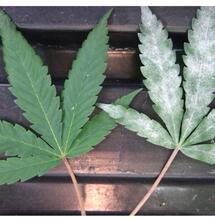
The best day-to-day example of how quickly organic matter can break down is when oranges begin to produce a white, fuzzy mould on the outside. If left alone, the mould will turn the skin into a food source that is rich in carbon. Below is a list of all the different types of composting material that can be used and added to a compost pile.
Fruit scraps
Vegetable scraps
Fresh grass clippings
Old, dry, brown leaves
Plant stalks
Twigs and bark
Coffee grounds
Sliced paper
How much nutrition does compost contain for cannabis plants?
As beneficial microorganisms break down organic matter, they convert it to nutrients for the plants and carbon as a food source for their population to metabolise and thrive. Compost will slowly release nutrients and trace elements to a plant’s roots, making it a safe and easy way to maintain a healthy and vibrant garden. Compost can be mixed with soil or coco coir to create a bio-stimulating growing medium, and to encourage roots to become supported by symbiotic microorganisms.
The reasons why you should be growing with compost
If you have never used compost before, then you are certainly missing out! There are so many great benefits associated with growing cannabis with compost, and below, they are briefly explained.
Compost is a slow-release organic food for plants that promotes healthy green growth.
Mixing compost with older soil will regenerate the soil and fill it with beneficial organisms.
Making your compost pile at home allows you to recycle and produce nutrients.
Composting is the most environmentally friendly way to reuse gardening materials.
When used as a top dressing, plants will be supplemented with high levels of Magnesium.
Compost is packed full of amino, humic, and fulvic acids, which are excellent for plant growth.
Compost is an excellent way to grow organic cannabis, using only water if necessary.
You can recycle your older compost by adding freshly made compost and mixing it.
When is the right time to use compost?
Well, you can start seedlings or clones off in a compost mix and within a few weeks will have fuzzy, thick roots. Compost can also be used as a top dressing, which means to add a layer of compost around the top of the pots and around the corners and sides every 10–14 days for maintaining optimal plant health.
Starting your compost pile from garden waste or food scraps!
If you like the idea of composting and think you could do well recycling at home, then all you need to do is have access to fruit scraps, vegetable scraps, fresh grass clippings, old dry brown leaves, plant stalks, wigs and bark, coffee grounds and sliced paper.
Many gardeners who make their own compost may choose to make one that is made strictly from garden waste, and then another made from food scraps. It depends on which one is more practical for you, but you don’t need a big garden of plant material to get started, and a food scrap compost pile is an excellent way.
5 Common mistakes to avoid when making compost
Even though making top-quality fertile compost can be a case of piling old organic material up and allowing nature to do the rest, there are a few common mistakes to avoid. Below are 4 different points that can set your composting project back, and what you should consider.
1- Overfilling the compost pile
Adding layers of organic waste material to your compost pile will cause the mound to become heavy over time. Overfilling the compost pile can make the pile too wet or too dry. When this happens, the decomposition process is unbalanced and will not break down as originally intended.
2- Not turning the compost
The key to a good compost pile is how often you are able to rotate and turn the pile over. The reason why turning the pile is so important is due to how much oxygen is available during the composting, and it also prevents a bad, unpleasant smell, which lets you know the compost may have anaerobic bacteria. Probiotic bacteria will function best when there are high levels of oxygen present.
3- Diseased plants
You may think that adding sick and diseased cannabis plants to your compost pile will make the most out of them, and you will get something back in return. However, pathogens can still survive in compost piles and require far greater temperatures before they are killed, so adding them to your compost is basically infecting the good bacteria and fungi.
4- Meat or fish scraps
You should always use green food waste and never use meat or fish scraps. The reasons are not to attract animals to your compost pile, and to also avoid the risk of harmful pathogens. Using compost that has meat or fish scraps can attract pests and insects, and also encourage flies to hatch.
5- Bad-smelling compost
Even though your compost has darkened over time and turned black, if it has a bad smell similar to rotting eggs or sulfur, you know there is something wrong. When you notice this smell when breaking the compost apart by hand, it means there is a population of aerobic bacteria which fight off the good bacteria that depend on high levels of oxygen. Do not use this compost and throw it away, and start fresh if that has become the case.
Final thought on composting at home
When you learn about how many benefits compost provides for plants and old soils, and how easy it is to make, there is no reason why you should not give it a try. The beauty of compost is that it will supercharge your growing medium and slowly release nutrients, and is especially optimal for OG Kush cannabis that is heavy in Magnesium during the flowering period.
Making your compost at home allows you to recycle old garden waste and turn it into highly fertile gold dust with no cost required. You can always add compost to coco coir for an organic blend that is airy, water-retentive, and will inoculate your roots with symbiotic bacteria and fungi that are present! You can get started composting with your food waste each day, and it's also a wonderful way to get the family involved in the joys of organic composting at home!
More From Soft Secrets:
L
Liz Filmer