Cannabis Revegetation: Restoring Growth After Flowering
Are you looking to preserve your cannabis plant's genetics after the flowering phase? Revegetation, or "reveg," is a technique that allows your cannabis plants to return to the vegetative growth phase after flowering. This process can be essential for cloning and maintaining desirable traits.
What is Cannabis Revegetation?
During cultivation, it’s common for a promising cannabis plant to complete its flowering phase before you’ve taken any clones. This is where the option of revegetation comes into play. By carefully adjusting growing conditions, your plant can resume vegetative growth, allowing for the emergence of new shoots that can be propagated. Revegetation is crucial for preserving plant genetics that might otherwise be lost.
It's important to note that this process is different from "reverse," which refers to reversing the sex of cannabis plants to create feminized seeds. The effectiveness of revegetation can vary based on how well the entire process is implemented.
How Early Should You Consider Revegetation?
Revegetation should be considered during the flowering stage, as it largely depends on your harvesting methods. A completely cut plant cannot re-enter the growth phase. To preserve the plant's potential, ensure that parts of its structure remain intact, especially active leaves and lower flowering tissues. These tissues are crucial for new shoot formation and contain internal resources, such as nitrogen, vital for restarting growth.
Timing is key. The more advanced the flowering stage, the more depleted the plant's resources will be, which limits its ability to return to growth. Conducting a partial harvest early on, while maintaining sufficient living tissue, offers a favorable basis for regeneration.
How to Conduct Revegetation?
What Role Does Photoperiod Play?
Photoperiod is essential in regulating your cannabis plant’s developmental stages. To initiate revegetation, you need to switch from a flowering cycle (12/12) to a growth cycle, typically 16/8 or 18/6. This change can gradually restore growth, provided that stable environmental conditions are maintained that are suitable for the vegetative phase.
How Should You Adjust Fertilization?
Returning to growth also requires you to adjust fertilization. Increasing nitrogen levels promotes leaf and stem development, but care is needed to avoid weakening the root system.
What About Watering and Environmental Conditions?
Adjust your watering strategy as well. Reduced plant mass means less water is needed after harvest. Overwatering can limit oxygen access to the roots and promote mold growth. A well-ventilated substrate, moderate watering, and stable temperature and humidity levels effectively support the regeneration process and directly influence root activity and vegetative growth.
What Happens to the Plant During Revegetation?
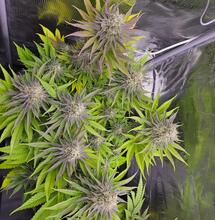
Once you've implemented these changes, the plant enters a slow transition phase where new shoots may emerge from previous flowers. Leaves may have a simplified structure during this time, indicating a gradual reprogramming of the plant's development. This phase can last several weeks and is dependent on the plant's initial health condition.
During the revegetation process, it’s best to minimize intervention. Avoid activities like pruning or replanting, as these can disrupt regeneration. Once your cannabis plant returns to active growth, it will produce strong shoots suitable for cuttings. Wait until these shoots are robust enough, as taking cuttings too early can significantly reduce your chances of obtaining viable clones.
Is Revegetation a Reliable Solution?
While many growers prefer to take cuttings before flowering begins, the ability to revegetate allows for the reactivation of the plant's meristematic potential after flowering. This opens up opportunities for further vegetative propagation.
Revegetation demonstrates the cannabis plant's phenotypic plasticity and its ability to adapt to growing conditions. Understanding and controlling the processes within the plant align with modern cultivation practices, where managing the plant's life cycle becomes a strategic tool for preserving valuable genotypes that could be lost otherwise.
In conclusion, by understanding the methods and timeliness of revegetation, even at the end of a growth cycle, you can fully realize your cannabis plant's potential, ensuring its robustness and genetic preservation for the future.
More From Soft Secrets:
Compost: What is it and Why is it Beneficial?
Amino, Humic, and Fulvic Acids for Healthy Cannabis Growth
L
Liz Filmer