Understanding Nutrient Uptake in Cannabis Cultivation
growers should focus on water movement in the plant
Cannabis cultivation has entered an exciting new phase thanks to recent research published in *Frontiers in Plant Science*. The study titled "Predicting vegetative phase nutrient uptake in Cannabis sativa L. via transpiration-driven mass-balance" suggests a revolutionary approach: instead of relying on fixed fertilization schedules, growers should focus on the dynamics of water movement within the plant.
Transpiration: The Key Player in Nutrient Absorption
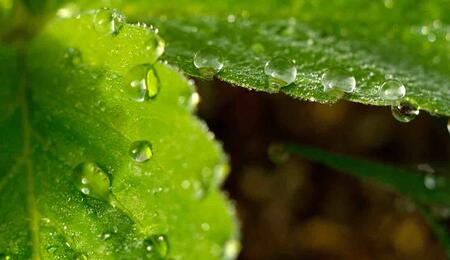
At the heart of this study is the process of transpiration. This is when water evaporates through the plant’s leaves, creating a negative pressure that helps draw up essential nutrients from the soil through the roots. Essentially, as plants breathe and release water, they also pull in necessary nutrients that are vital for their growth.
The researchers introduced a new mathematical model to measure and predict how much of important nutrients like nitrogen, phosphorus, and potassium plants are taking up in real time by monitoring water loss through transpiration.
Findings and Implications
The study primarily focused on the vegetative phase of growth, which is when the plant rapidly expands and requires substantial structural support. The researchers discovered that nutrient absorption fluctuates significantly based on the environmental conditions of the grow room.
One notable finding was the strong relationship between Nitrogen (N) and Potassium (K) levels and transpiration rates. When light and temperature conditions are optimal, plants need precise nutrient concentrations in their feeding solutions to maintain balance and prevent problems like oversaturation or depletion of nutrients.
Calcium and Magnesium: The Unique Nutrients
Interestingly, the research also highlighted that Calcium (Ca) and Magnesium (Mg) are primarily reliant on transpiration. Unlike other nutrients that can be actively absorbed, these two travel with the water. If humidity levels are too high and the plant isn't transpiring as needed, deficiencies can occur, even if there are plenty of these nutrients in the soil.
The Role of Vapor Pressure Deficit (VPD)
A critical factor identified in the study is Vapor Pressure Deficit (VPD), which measures the difference between the moisture content in the air and the moisture content of the plant. Keeping VPD within an optimal range (between 0.8 and 1.2 kPa during the vegetative phase) enables the best transpiration rates.
- Low VPD (High Humidity): The plant doesn't transpire effectively, halting nutrient absorption and increasing the risk of mold.
- High VPD (Low Humidity): Excessive transpiration can cause salt buildups on the leaves, leading to potential toxicity.
Practical Tips for Growers
So, how can this research be applied to actual cannabis cultivation?
1. Dynamic Fertigation:*Growers can use data about evaporation and transpiration to automatically adjust the concentration of nutrients in their watering solution, promoting healthier plant growth.
2 Environmental Sustainability: By accurately predicting nutrient uptake, farmers can minimize nutrient runoff, which saves resources and protects the environment.
3. Preventive Health Monitoring: Monitoring transpiration rates can help detect potential nutrient deficiencies before they become visible, allowing for timely interventions.
Frequently Asked Questions
-What is the mass balance model? It tracks how much water and nutrients the plant is using. By knowing water loss and the nutrient solution's concentration, growers can determine how much of each nutrient remains in the plant.
-Can home growers use this? Yes! While the research methods are complex, home growers can easily improve their outcomes by ensuring optimal humidity and temperature for proper transpiration, enhancing nutrient absorption.
-Why focus on the vegetative phase? This stage is crucial for establishing the plant’s structure and photosynthetic capabilities. Nutritional deficiencies at this stage can limit future flower and cannabinoid production.
-Does substrate type matter? Absolutely. The type of growing medium influences nutrient availability through its water retention and drainage properties, affecting the plant's ability to absorb nutrients.
More From Soft Secrets:
Advanced Synergy: Improving Indoor Climate and Lighting with CO2
L
Liz Filmer