Outdoor Cannabis Growing in South Africa: A Guide to Flower Season
_11zon.jpg)
What a great time to start a new outdoor growing column right in the deep end of the season. By the time you read this, most outdoor growers will have their plants well into flower with the day length dropping rapidly across the country. We are blessed with a range of climatic zones in South Africa, and each area brings its own unique challenges and benefits. I stand amazed at the ingenuity of South African Cannabis growers, and we have found ways to hack the climate from Cape Town to Thohoyandou. Like they say: “Boer maak ‘n plan”!
Article written By Natie Ferreira
Managing the Wind and Pests in the Western Cape
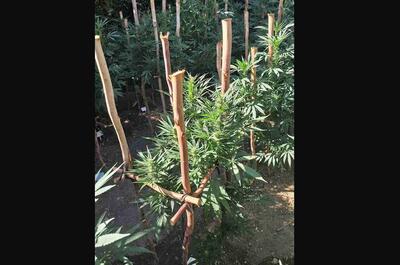
In the Western Cape, our biggest challenge this time of the year is the wind. Making sure your plants are staked, trained and tied down from the day of planting saves many tears later. Some local invasive forests keep the local youths busy and us stocked with enough poles to stake each tree with 4 stakes and multiple cross braces. Special care must also be taken to support the crown and bottom forks by stringing them up.
We use waste cotton strips from our local agricultural supply store as a soft and flexible tie-down. Vertical windbreaks strategically placed throughout your garden help also, but ultimately, you want to invest in a netted greenhouse if you are in a very windy area. It will also provide some cover against rogue pollination, which is another challenge many peri urban growers still struggle with.
Unlike our northern counterparts, our rains should stay away until Easter, which makes the Cape one of the best summer harvest areas in the country; provided you have water, shelter and security. The dry conditions keep most diseases at bay, but a few cooler mornings might wake up powdery mildew spores. We use a natural bacterium [Ndr. Ampelomyces quisqualis, known as AqSf in the market] that interacts and feeds on mildew and is safe to use during flower. There are some pests to look out for, with spider mites and bollworm probably your biggest threats.
Red spider mites seem to get an advantage on very hot days, and it is worth thinking preventatively against them when heat wave conditions are forecast. Regular spraying with insecticidal bacteria and applications of predatory mites assists in keeping a balance in your garden, mitigating the impact of an outbreak. Scouting the garden at different times of the day is also important. An application of Bacillus thuringiensis is needed when you see the first bollworm moths flying around, often only in the early evening. Water plants deep and regularly and mulch with well rotten compost up to about 10cm from the crown.
Growing Cannabis in Summer Rainfall and Subtropical Areas
The bulk of our country sits in a summer rainfall area, though, and it takes a brave soul to flower outdoors in some of our subtropical areas. Not only are you battered by vicious thunderstorms with hail and torrential rain, but you often get stagnant, hazy, hot and humid conditions for days on end. Septoria, botrytis, powdery mildew and all sorts of rot and mould will be everywhere with not much to spray once infection has set in.
Some growers get good results from a wood ash extract, whilst others swear by plant metabolites and compost teas. The most important is to keep your plants healthy and actively growing. A stunted plant is a sick plant. Keeping the rain off your plants will be a challenge in absence of a greenhouse, but a leaf blower can do wonders to dry off soaked plants after a shower.
Soil Health and Nutritional Needs During Flowering
For the outdoor grower, soil health means plant health. We feed the soil, not the plant. As we move into the deeper flowering phase of the plant, the nutritional needs also shift. Phosphorous and especially potassium becomes crucial whilst not forgetting about calcium and magnesium. A fruit ferment is naturally high in potassium and various metabolites that will aid flower set.
Drop nitrogenous compost tea feeding right down, but keep an eye on your plants as the needs of different varieties differ. We only use naturally chelated fertilisers and always combine it with a good microbe blend and a carbon source like molasses. This way we feed the rhizosphere, the magical microbial wonderland surrounding the roots of our plants where true alchemy happens.
Planning for the Next Season and Winter Harvests
Remember to start planning for your next grow. Look after your mother plants so that you can take cuttings in time for a light-assisted winter harvest. Such a winter grow out is not recommended in the Western Cape, but coastal growers from the Eastern Provinces often get their best results finishing their plants into the drier and sunnier winter months. Having an area under cover will help to keep your plants healthy as you veg them to the desired size under supplementary lighting. We’ll talk more about the use of lights outdoors in a later article.
Here’s to a great season to all our readers. Growing Cannabis is a constitutional right in South Africa, Give Thanks.
S
Soft Secrets