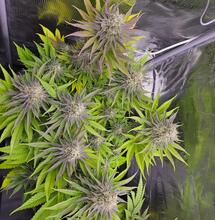
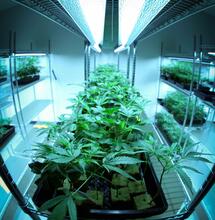
CBD: A Natural Insecticide for Sustainable Agriculture
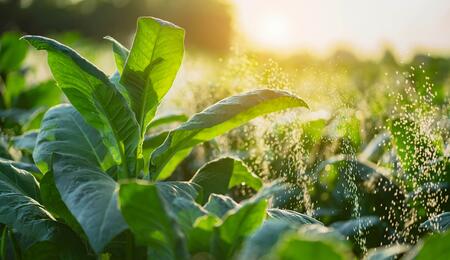
Studies on CBD reveal insecticidal properties
Cannabidiol (CBD) is emerging as a powerful natural insecticide, paving the way for the development of environmentally friendly, low-impact biopesticides. This vast potential is illustrated by recent studies that highlight CBD's multifaceted properties against agricultural pests. How Does CBD Act Against Plant Pests?
Studies focusing on CBD's effects reveal significant insecticidal properties that directly affect the viability of insect colonies. Notably, researchers examined the impact of CBD on the larva of Manduca sexta, commonly known as the tobacco hornworm—a notorious pest in agriculture.
During controlled laboratory tests, the larvae exhibited immediate rejection behavior, actively avoiding plant tissues with high concentrations of CBD. This behavior indicates that CBD serves as a chemical warning signal, driving pests away from areas rich in this compound.
Is CBD a Metabolic Poison Against Pests?
The effects of CBD on pests go beyond mere deterrence. When Manduca sexta larvae were fed a diet enriched with CBD, researchers observed a drastic reduction in their biological development. The findings indicated a significant decrease in both the weight and body length of the larvae, highlighting the potency of CBD as a natural insecticide.
The most striking discovery was related to the mortality rate. Controlled concentrations of CBD led to a substantial increase in larval mortality, suggesting that CBD interferes directly with the cellular and physiological functions of these insects. Researchers propose that CBD acts as a metabolic or neurotoxic poison, impairing vital functions in pests.
How Do Phytochemical Synergies Enhance CBD's Efficacy?
A critical aspect of CBD's effectiveness as a natural pesticide is its synergy with other secondary metabolites present in cannabis. Particularly, terpenoid aldehydes play a significant role in enhancing the biopesticidal properties of CBD. While primary terpenes like myrcene are more abundant in the plant, these subtle aromatic compounds significantly contribute to cannabis's biological defense profile.
What Does This Mean for the Future of Biopesticides?
The scientific community emphasizes that CBD and its precursor forms (such as CBDA and CBGA) should not be dismissed as mere byproducts. Instead, they are essential evolutionary adaptations perfected through millennia of natural selection. This insight opens the door to creating environmentally friendly biopesticides that serve as sustainable alternatives to traditional synthetic pesticides, ultimately protecting Latin American soils and promoting cleaner agriculture.
By harnessing the power of CBD and its synergistic properties, we can move towards a new era of cannabis-based biopesticides that benefit both agricultural productivity and environmental health.
For more information on the benefits and applications of CBD in agriculture, stay tuned!
More From Soft Secrets:
L
Liz Filmer