Albino Cannabis Plants: Unveiling Rare Phenomena
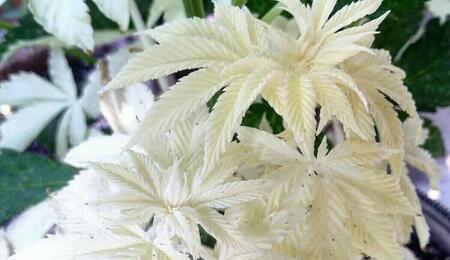
Albino cannabis plants are rare & caused by a lack of chlorophyll.
Albino cannabis plants are a rare occurrence characterized by a lack of chlorophyll. Chlorophyll is crucial for the process of photosynthesis, which is essential for plant growth and energy production. This genetic condition can result in colorless plants that struggle to thrive.
How Does Albinism Develop in Cannabis?
Albinism in cannabis plants, like in humans, is a genetic metabolic disorder that results in reduced or absent melanin production. This pigment is typically linked to skin, hair, and eye color, but can also affect the pigmentation in cannabis.
While various environmental factors, such as light intensity and temperature, can lead to this genetic mutation, the primary cause is usually genetic defects. These can occur spontaneously or may be exacerbated by selective breeding practices.
Why Are Albino Cannabis Plants So Rare?
The rarity of albino cannabis plants stems from their inability to produce enough energy for growth. Lacking chlorophyll severely limits their photosynthesis capabilities. Consequently, albino plants have a very low chance of reaching maturity or producing flowers, making them more of a curiosity than viable cannabis producers.
Hybridization, or the crossing of different cannabis strains, increases the likelihood of genetic mutations that can lead to albinism. While the intention behind hybridization is often to enhance desirable traits, it can sometimes result in undesirable defects, including albino variations.
Are There False Albino Cannabis Plants?
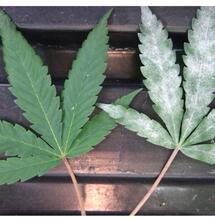
Yes, there are false albino plants, which are very pale but do not exhibit true genetic albinism. These can appear due to excessive light exposure, often termed "light bleaching." When plants are too close to their light source, they may develop white coloration on their canopy, but this is not indicative of albinism.
What Should Growers Know About Albino Cannabis Plants?
Though albino cannabis plants may be intriguing and visually striking, the likelihood of successfully cultivating one is low. These plants are unlikely to fulfill the primary goal of growing cannabis due to their inadequate energy production. If you’re considering the potential for growing rare plants, focus on stable, healthy strains that will yield the best results.
By understanding the complexities of albino cannabis plants, growers can make informed decisions about their cultivation practices and what to expect from their cannabis growing experience.
More From Soft Secrets:
How to Keep Your Grow Tent Cool in a Heat Wave
Understanding Nematodes in Cannabis: How to Identify Beneficial Parasites
L
Liz Filmer