Grow Lights: PAR Explained
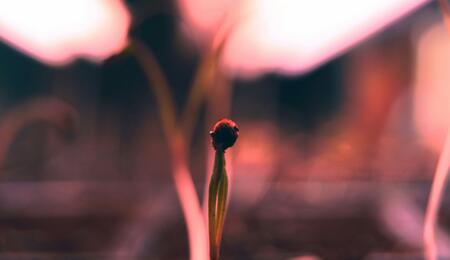
Part of the light spectrum is vital for plants; this part is PAR.
When growing indoors, you attempt to mimic the sun's rays, which is not as easy as it sounds. Not all light is equal, and sunlight is a very complex phenomenon to recreate. This is why we use unique lamps in the grow room, rather than regular domestic light bulbs.
Light sensitivity is different for humans and plants. This is why grow lights can damage our vision if we do not wear sufficient eye protection in the grow room. A specific part of the light spectrum is vital for plants; this part is called photosynthetically active radiation or PAR. You will commonly hear this term used when talking about grow lights.
What is PAR?
PAR is light of wavelengths in the range of 400-7900nm. Plants use this radiation for photosynthesis, which all growers will know is an essential and fundamental part of the plants' growth and development process.
PAR tells us how many photons of photosynthetically active radiation will contribute to photosynthesis per second. So, in essence, the higher the PAR, the stronger/better the lamp. You may also hear the term wattage used a lot. This is a simple measure of the amount of energy the light source consumes, expressed in units called watts.
What Are the Three Primary Colours of Light?
There are three primary colours of light within the range of PAR, all of which play a different role in the growth and development of your plants.
Blue Spectrum: this Spectrum is mainly absorbed by the chlorophyll and carotenoids, the pigment in plants that givesthem a yellow, orange, or red colour. Blue light is essential for photosynthesis and is needed in considerable quantities during the Vegetative stage of growth.
Red Spectrum: The red phase of light is absorbed by chlorophyll, but is more critical during Flowering as photoreceptors heavily absorb it. Photoreceptors determine the length of days and nights, which helps plants bloom. It also assists plants to grow tall and so is used a little during the growth or vegetative phase.
Green Spectrum: plants only absorb this light minimally. So it is helpful to use when we need to see in the grow room but do not want to disturb the plants, for example, for carrying out tasks in the grow room when it would typically be "lights off" time.
What Grow Lights Do I Need?
Regarding buying lamps, one choices is the dual spectrum lamp. Dual-spectrum lamps combine both red and blue light spectrums and can be used for flowering and growth stages. They are convenient and cost-effective. Not to mention powerful, delivering precisely what you need when you need it. Alternatively, LED lights have really made an impact in recent years. The technology on these units is crazy and improving all the time. They can have ultra-precise custom light settings that deliver the exact PAR demands of the plant throughout the whole plant lifecycle.
More From Soft Secrets:
How to Choose the Perfect Grow Light
The Perfect Grow Episode 6, Creating the Perfect Environment
L
Liz Filmer