Cannabis Terpenes May Relieve Pain Without Causing a High, Study Finds
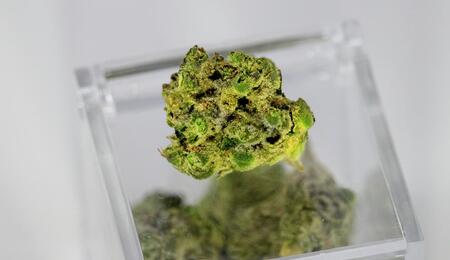
The aromatic compounds that give cannabis its distinctive scent may one day help treat chronic pain without causing a high.
Cannabis compounds responsible for the plant’s distinctive aroma could open the door to a new generation of pain treatments that do not produce the intoxicating effects associated with THC, according to new research from the University of Arizona.
Researchers found that several cannabis-derived terpenes significantly reduced pain in preclinical models of fibromyalgia and post-surgical pain, with one compound, geraniol, delivering particularly strong results. Because terpenes are not psychoactive, the findings could represent an important step toward developing safer pain therapies for chronic conditions.
Cannabis Aroma Compounds Show Powerful Pain-Relieving Potential
The study, conducted by researchers at the University of Arizona Health Sciences and released by the University of Arizona Office of Research and Partnerships, focused on four naturally occurring terpenes found in Cannabis sativa: geraniol, linalool, beta-caryophyllene, and alpha-humulene.
Terpenes are best known for giving cannabis—and many other plants—their unique aroma and flavour. Unlike THC, however, they do not produce the psychoactive “high” commonly associated with cannabis use.
In mouse models of fibromyalgia and post-operative pain, all four terpenes produced significant pain-relieving effects. Among them, geraniol proved to be the most effective, followed by linalool, beta-caryophyllene, and alpha-humulene.
Expanding on Earlier Cannabis Terpene Research
The latest findings build on previous research from the laboratory of John Streicher, PhD, a member of the Comprehensive Center for Pain & Addiction. In earlier studies, his team demonstrated that cannabis terpenes could reduce pain in preclinical models of inflammation and chemotherapy-induced nerve damage.
According to Streicher, the new research suggests terpenes may be particularly useful for chronic or pathological pain rather than short-term injuries.
“Our research is showing that terpenes are not a good option for reducing acute pain resulting from an injury, such as stubbing your toe or touching a hot stove; however, we are seeing significant reductions in pain when terpenes are used for chronic or pathological pain”, Streicher said.
He added that this is the first study to evaluate cannabis terpenes in preclinical models of both fibromyalgia and post-operative pain, expanding the range of conditions where these compounds may eventually prove useful.
A Potential New Option for Fibromyalgia and Post-Surgical Pain
Fibromyalgia remains one of the most difficult chronic pain disorders to treat, with relatively few effective treatment options currently available.
The researchers believe terpenes could eventually offer a new therapeutic approach for people living with the condition. They also found encouraging results in post-surgical pain, where alternatives to opioid medications are increasingly being sought due to their well-known side effects and dependence risks.
How Do the Terpenes Work?
The team found that the pain-relieving effects appear to be linked to the adenosine A2A receptor, the same biological pathway identified in previous terpene studies. Interestingly, this receptor is also one of the targets blocked by caffeine, suggesting the compounds may have additional effects that warrant further investigation.
While the findings are promising, the research was conducted in mice, meaning further studies—including human clinical trials—will be needed before terpene-based medicines could become available.
Still, the results add to the growing body of evidence suggesting that cannabis contains far more medically relevant compounds than cannabinoids alone. As researchers continue exploring the plant’s chemistry, terpenes are emerging as one of the most promising candidates for developing effective, non-intoxicating pain therapies.
Read more from Soft Secrets:
S
Stephen Andrews