Terpene Pyrolysis: When Cannabis Becomes Toxic
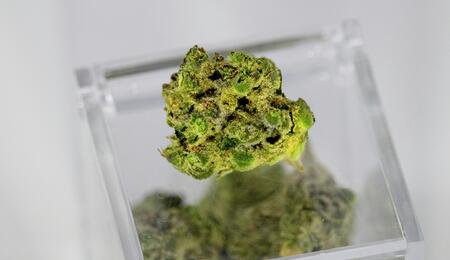
Terpenes are primarily associated with aroma, flavour, and the entourage effect. But from a scientific standpoint, terpenes are volatile organic hydrocarbons that can undergo significant transformations under extreme heat. When dabbing with concentrates like BHO or Rosin, it’s essential to understand that we’re not merely vaporising cannabinoids; we’re exposing a complex chemical mixture to high temperatures that may exceed the pyrolysis point.
What Is Pyrolysis and How Does It Affect Dabbing?
Pyrolysis refers to the chemical decomposition of organic materials due to high heat in the absence (or deficiency) of oxygen. Unlike simple vaporisation—where the physical state changes without alteration of molecular structure—pyrolysis breaks chemical bonds within the molecules.
When dabbing, an excessively high temperature can cause the terpene molecules to fracture, resulting in the recombination of compounds that didn’t exist in the original plant. Many of these byproducts can be irritants or toxic.
Which Terpenes Are Under Scrutiny in High-Temperature Dabbing?
A study from Portland State University (PSU) analysed how individual terpenes respond to heat. The findings provided crucial insights for extract users:
- Myrcene: Common in indica strains, myrcene has a high likelihood of producing methacrolein when heated beyond specific thresholds.
- Limonene: Known for its citrus aroma, limonene can degrade thermally, leading to the creation of more complex and potentially harmful aromatic hydrocarbons.
- Linalool: Frequently found in lavender and cannabis, linalool’s molecular structure is compromised at high temperatures.
As modern concentrates may contain 10% to 40% terpenes, the amount of byproducts generated greatly exceeds that of smoking dried flower.
What Is the Toxicity Curve for Dabbing?
An essential insight from the PSU study is that toxicity is not uniform; it varies directly with the temperature applied to the dab.
- Safe Zone (322°C): At this temperature, no toxin formation was detected, ensuring efficient and clean terpene transfer.
- Risk Zone (378°C): As temperatures increased, methacrolein became detectable, a severe lung irritant that can cause a burning sensation in the throat.
- Critical Zone (448°C): Beyond this point, pyrolysis becomes extensive, with the detection of significant levels of benzene, a known carcinogen resulting from degraded terpenes.
Why Are Benzene and Methacrolein Dangerous?
Understanding these harmful compounds is crucial for recognising why temperature control is a public health concern:
What Is the Danger of Benzene?
Benzene is a colourless aromatic hydrocarbon that only appears in cannabis through combustion or pyrolysis. Chronic exposure to benzene is linked to an increased risk of leukaemia and other blood disorders. Improperly managed dabs can generate benzene, which underscores the importance of using laser thermometers or e-nails.
How Does Methacrolein Affect Your Health?
Methacrolein shares similarities with acrolein (found in tobacco smoke) and attacks mucous membranes and lung tissue. If you’ve experienced breathlessness or a painful metallic cough after dabbing, it’s likely due to inhaling methacrolein from excessive heat.
What Should Advanced Users Know About Safe Dabbing?
This research shifts the narrative around dabbing from merely avoiding burnt flavour to preventing dangerous chemical transformations.
Why Does Material Matter for Safety?
Quartz is the preferred material for dabbing due to its thermal stability and purity, making it easier to maintain safe temperature ranges.
Why Is a Thermometer Essential for Dabbing?
In an era where rosin can command high prices in Spanish clubs, it’s critical to avoid ruining your product and jeopardising your health by not allowing the nail to cool for at least 20 seconds.
How Does Flavour Indicate Health in Cannabis?
In cannabis, good flavour—characterised by intact terpenes—serves as a biological indicator of safe consumption. If the product tastes burnt, it signifies pyrolysis; and if there’s pyrolysis, there are toxins.
By understanding these aspects of terpene pyrolysis and its impact on health, cannabis users can make informed choices for a safer and more enjoyable experience.
More From Soft Secrets:
L
Liz Filmer