How to Have a Responsible Social Dabbing Session
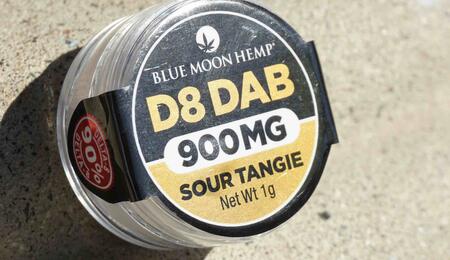
Dabbing has revolutionized cannabis culture, evolving from a technical curiosity to the preferred method of consumption for discerning users, both at home and in cannabis social clubs (CSCs). However, the complexity of dabbing equipment and the purity of extracts introduce risk factors that do not exist when consuming cannabis flower. This guide explores how to enhance your social dabbing sessions with a focus on harm reduction and the responsible dabber's code of conduct.
What is the Potency Gap and How Does It Affect Users?
While a quality joint offers a gradual experience, a dab of rosin or BHO can deliver between 40 mg and 80 mg of THC in a single hit.
Bioavailability: Upon inhalation, THC reaches the bloodstream within seconds. At concentrations of 80%, this can quickly saturate the brain's CB1 receptors, potentially causing tachycardia, dizziness, or intense anxiety.
The Rice Grain Rule: In social settings, peer pressure might lead to taking overly large dabs. It is recommended to not exceed the size of a grain of rice for users with a medium tolerance.
How Can Temperature Impact Lung Health and Flavor?
Dabbing is about vaporizing oil, not burning it. Temperature control is the most critical factor for lung health.
Risk of Combustion: Above 315°C, terpenes begin to degrade into toxic byproducts, such as methacrylate and benzene, which can be irritants and potentially carcinogenic.
Low-Temp Dabs (180°C - 230°C): This temperature range is considered the gold standard. It preserves the flavor profile while preventing thermal damage to lung tissue.
The Role of the Carb Cap: Using a carb cap helps lower the air pressure inside the rig, enabling the extract to vaporize at much lower temperatures. It serves as a health tool as well as a flavor enhancer.
What Materials Should Be Used for Dabbing?
Not all materials react the same way to heat, affecting what you inhale.
- Quartz (recommended): This is the most inert material. It does not emit metallic fumes and provides the cleanest experience, making it the gold standard for risk reduction.
- Grade 2 Titanium: Very durable, but if overheated, it can produce oxidation (titanium dioxide). If your titanium nail appears whitish or flaky, it should be discarded.
- Ceramic: Offers good flavor, but its porous nature can harbor bacteria and residue if not cleaned thoroughly. It also poses a risk of thermal fracture.
What Safety Measures Should Be Taken in Shared Spaces?
Using torches in a lounge with friends or at a club bar requires strict safety measures:
- Fixed Dabbing Stations: Avoid passing equipment from hand to hand while the banger is hot. Borosilicate glass and quartz retain heat long after the flame is extinguished, which can lead to second-degree burns.
- E-nails (Electronic Nails): These are the safest option for group use. They eliminate the need for butane gas in the room and provide precise digital temperature control, minimizing human error.
- Butane Management: If using a torch, never refill the gas in the same room where it is being consumed or where there are open flames.
How Can Hygiene and Prevention of Cross-Contamination Be Maintained?
The rig is an ecosystem where stagnant water and heat can promote the growth of mold and bacteria in less than 24 hours.
- Always Keep the Water Fresh: Change the water in the rig before each social session. Reclaim (oil residue) accumulated in the water can lead to respiratory infections.
- Mouthpiece Protocol: The use of personal silicone mouthpieces is essential in a responsible social setting.
- Cleaning with ISO: After each use, clean the banger with a cotton swab soaked in 99% isopropyl alcohol. "Chazzing" refers to inhaling pure carbon and unnecessary tar.
How Can you Manage Potency and Individual Tolerance?
Even with all precautions, high potency can overwhelm someone.
- Hydration and Glucose: Always have water, natural juices, or fruit available. THC can cause drops in blood pressure (orthostatic hypotension).
- Posture: If someone feels dizzy, ensure they sit in a well-ventilated area. Never leave them alone in a bathroom or enclosed space.
L
Liz Filmer