Can Cannabis Slow Ageing? What Does the Science Really Say?

Learn how CBD and THC impact cellular senescence
Explore the latest research on cannabis and longevity. Learn how cannabinoids like CBD and THC can impact cellular senescence, neuroprotection, and skin health.
While cannabis won't reverse the ageing process, ongoing research is investigating how cannabinoids interact with the Endocannabinoid System (ECS) to influence key factors like sleep, pain, and inflammation.
How Has Cannabis Helped Individuals Like Maria?
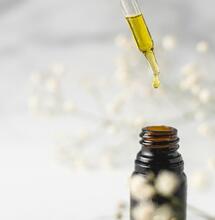
Take Maria, for example. At 72, she didn’t set out to “reverse ageing.” Instead, she sought relief from waking every two hours due to pain. Initially sceptical, she tried a low-dose cannabis tincture and experienced subtle yet meaningful changes, including deeper sleep and reduced morning stiffness.
Stories like Maria's are becoming more common, prompting the question: Can cannabis help us age better?
What Is the Role of the Endocannabinoid System in Ageing?
The quest for longevity has shifted from simple “anti-ageing” creams to more profound biological interventions. Central to this discussion is the ECS, a complex cell-signalling network that helps maintain homeostasis within the body.
Some evidence suggests that endocannabinoid signalling may change with age, potentially affecting inflammation, sleep, and cognitive function. But can phytocannabinoids derived from the cannabis plant significantly impact these pathways?
What Did the “Grandmother” Study Discover About Brain Ageing?
A widely referenced preclinical study from the University of Bonn found that low-dose THC improved cognitive performance in older mice, bringing it closer to levels seen in much younger mice.
While these findings are interesting, they have not been replicated in human trials. Some observational studies do suggest that cannabinoids may possess neuroprotective properties. Ongoing research is examining whether cannabinoids can help eliminate “molecular debris,” such as beta-amyloid plaques, associated with Alzheimer’s disease and other forms of dementia.
How Does Cellular Senescence Impact Ageing?
Ageing is partly driven by cellular senescence—when cells cease to divide but remain metabolically active, contributing to chronic low-grade inflammation, often referred to as “inflammaging.”
Can CBD Influence Cellular Cleanup?
Early laboratory research indicates that CBD may affect processes like autophagy, which is the body’s internal recycling system. However, its definitive role as a “senolytic” (a compound that selectively eliminates senescent cells) is not yet confirmed.
How Do Cannabinoids Interact With Mitochondria?
Cannabinoids like THC and CBD interact with mitochondria, the powerhouses of our cells, which could help reduce oxidative stress and prevent DNA damage.
What About Cannabis in Dermatology and Skincare?
How Does the Endocannabinoid System Affect Skin Health?
The skin contains components of the ECS, fueling interest in cannabinoid-based skincare.
Can Cannabinoids Benefit Collagen & Elastin?
Research suggests that cannabinoids might help regulate sebum production and possess anti-inflammatory properties, potentially benefiting certain skin conditions. Some lab-based studies even indicate protective effects against environmental stressors such as UV-induced degradation of fibroblasts—the cells responsible for collagen production.
What Role Does the Skin Microbiome Play in Healthy Ageing?
Recent studies have shown that CBD may balance the skin microbiome, a crucial factor for maintaining the skin barrier as it weakens with age.
How Do Neuro-Inflammation and Sleep Relate to Healthy Ageing?
Healthy ageing is closely associated with sleep quality, brain health, and physical activity.
Can Cannabis Support Sleep Quality?
Cannabinoids like CBD and minor cannabinoids such as CBN can potentially enhance sleep architecture, primarily by alleviating anxiety or discomfort.
How Can Cannabis Enhance Mobility and Manage Pain?
For those dealing with age-related conditions like Parkinson’s or arthritis, cannabis may provide the mobility support necessary to stay active. However, it should not replace conventional medications when they are needed.
What Should You Consider When Adding Cannabis to Your Wellness Routine?
What Products Are Available for Micro-Dosing?
Consider micro-dose edibles (e.g., 1–3 mg THC) to minimise intoxication, though optimal dosing can vary widely.
Are There Effective Topical Formulations?
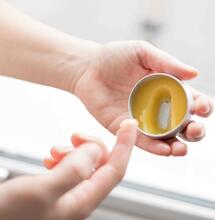
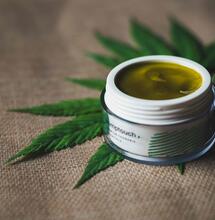
Various full-spectrum topicals can offer localised relief for joint or skin concerns. Products containing CBG, known as the“mother cannabinoid,” may assist with skin regeneration.
Should You Use Pure CBD Isolates?
Pure CBD isolates can be effective as a daily supplement for managing systemic inflammation, but should not be combined with specific prescription medications.
Final Thoughts: Can Cannabis Support Healthy Ageing?
While cannabis cannot be dubbed a “fountain of youth,” it may serve as a valuable tool for supporting homeostasis.
Though it doesn’t reverse ageing or significantly extend lifespan, cannabis could offer support for aspects of healthy ageing, such as improved sleep, pain relief, and reduced inflammation. By working with systems like the Endocannabinoid System, cannabinoids may enhance the quality of life as we age.
The real promise of cannabis isn’t about stopping the clock; it's about making our later years more manageable and fulfilling.
More From Soft Secrets:
Study shows cannabis may improve memory in older adults
More Older Adults are Using Cannabis
L
Liz Filmer