Cannabis in Ancient Rituals: A New Discovery in Siberia
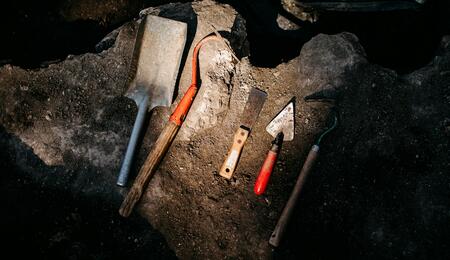
cannabis linked to ancient rituals for over 2,800 years
Did you know that cannabis has been linked to ancient rituals for over 2,800 years? A groundbreaking study published in the journal Science reveals that cannabis may have played a significant role in ceremonial practices, particularly among the Scythians in Siberia. This discovery opens up fascinating questions about the historical uses of marijuana in spiritual and funeral rituals.
What Did Archaeologists Discover in Siberia?
At an ancient burial site known as Tunnug 1, archaeologists have uncovered more than 1,000 cannabis seeds and traces of cannabinoids in well-preserved human hair. This burial mound, located in southern Siberia, is associated with the Scythians, a nomadic people who roamed across vast areas of the Eurasian steppes. The findings provide compelling evidence of marijuana’s presence in human activities dating back to the 8th century BCE, long before the earliest written accounts of its ceremonial use.
How Were the Cannabis Seeds Analyzed?
The researchers from the University of Bern and their collaborators conducted a thorough analysis of the burial site. Radiocarbon dating confirmed that the cannabis seeds found were around 2,800 years old, establishing their original presence at the site rather than introducing them in later periods.
An analysis of human hair revealed the presence of cannabinol (CBN), which forms from the degradation of tetrahydrocannabinol (THC). This significant finding suggests that individuals at the burial site may have consumed marijuana during funeral ceremonies, thus linking cannabis directly to ancient human practices.
What Does This Discovery Mean for Ancient Rituals?
This new evidence challenges previous archaeological findings, which have mostly shown preserved cannabis plants or seeds without direct links to human use. With cannabinoids detected in human hair, researchers can confirm a deeper connection between cannabis and ancient societies.
Additionally, the discovery included remains of horses and at least one human, raising possibilities of sacrificial practices. Marijuana may have been involved in these rituals, potentially used through inhalation, application during spiritual rites, or to calm participants in sacrificial ceremonies.
How Do Historical Accounts Support These Findings?
The discoveries at Tunnug 1 align with descriptions from the ancient Greek historian Herodotus, who wrote in the 5th century BCE about Scythian purification rituals following funerals. He noted that the Scythians would toss hemp onto heated stones to inhale the resulting vapors. Such accounts reinforce the idea that cannabis was integral to their cultural and spiritual practices.
Are There Similar Findings Elsewhere?
Yes! Other parts of Asia have offered significant insights into ancient cannabis use. For instance, the Jirzankal cemetery in western China contained wooden burning vessels with traces of cannabinoids, indicating that cannabis was utilized approximately 2,500 years ago. The simultaneous discovery of preserved hemp plants alongside human remains further highlights the role of marijuana in ancient burial customs.
What’s Next for Cannabis Research?
While researchers successfully detected CBN in human hair, determining the original concentration of THC remains elusive. This limitation prevents a clear understanding of how much cannabis was consumed or the specific effects it may have had during these rituals.
Moreover, the well-preserved cannabis seeds hold potential for advancing our understanding of the cannabis plant itself. Future analyses may reveal crucial genetic information about ancient plant populations, shedding light on cannabis domestication and its evolving characteristics over the centuries.
The Impact of This Discovery on Our Understanding of Cannabis
The findings from Tunnug 1 not only push back the timeline of cannabis use in ancient rituals but also enrich our understanding of the cultural significance of marijuana. As researchers continue to explore this fascinating link between cannabis and early human practices, we gain deeper insight into the complex history of this remarkable plant.
More From Soft Secrets:
Cannabis and Religion: Exploring the Sacred Connection
17th-Century Cannabis Use in Milan: What Has New Research Revealed?
L
Liz Filmer