17th-Century Cannabis Use in Milan: What Has New Research Revealed?
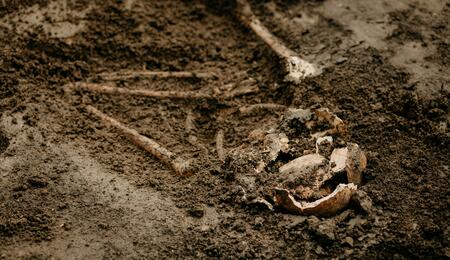
Researchers have made a groundbreaking discovery about cannabis use in 17th-century Milan, Italy. Psychoactive cannabis substances, specifically CBD (cannabidiol) and THC (delta-9-tetrahydrocannabinol), were detected in bones that are over 300 years old. Remarkably, these cannabinoids were found in 22% of the skeletal samples analyzed.
What Were the Study's Main Findings?
This scientific study, published in the *Journal of Archaeological Science*, details toxicological analyses performed on human bone samples excavated from a crypt in Milan. The study specifically examines the medicinal and recreational use of cannabis among the population of 17th-century Milan.
Researchers focused on nine femur samples from the Ca' Granda crypt located at the Ospedale Maggiore, a notable hospital in Milan. These remains date from 1638 to 1697. The researchers employed solid-phase extraction (SPE) methods and triple-quadrupole mass spectrometry to analyze the bones.
How Was Cannabis Consumed in 17th Century Milan?
The presence of THC and CBD in two of the nine femoral samples indicates that 22% of the individuals studied likely consumed cannabis, affirming its use among the Italian population during this historical era. Researchers hypothesize that these individuals may have consumed cannabis for recreational purposes.
Despite historical records indicating that cannabis was not part of the pharmacopoeia at Milan's Ca’ Granda hospital, the study leaves room for speculation. It’s possible that cannabis was prescribed by physicians outside the hospital or that individuals encountered it accidentally or through other means.
What Do the Findings Mean for Our Understanding of Cannabis?
The analytical data illuminates the habits of the Milanese population during the modern era, suggesting possible self-medication, administration by traditional healers, or even accidental exposure to the cannabis plant.
Researchers conclude that this discovery significantly contributes to our understanding of cannabis use in history, particularly its recreational and medicinal applications in society. The findings may prompt further inquiries into ancient practices and the evolving role of cannabis throughout history.
By exploring these questions, we can gain deeper insights into how cannabis has been integrated into societal norms and health practices across different cultures and time periods.
More From Soft Secrets:
L
Liz Filmer