Hemp for Clothing and Skincare: The Eco-Friendly Choice
Hemp is amazing! Cultivated for multi-purpose use for thousands of years, this eco-friendly "hero" plant serves numerous industries, including food products, textiles, biofuels, and even building materials. Among its many applications, two of the most prominent are in skincare and clothing.
What Is Hemp Fabric?
Hemp fabric is created from the fibers of the stalks of the Cannabis sativa plant. Throughout history, Cannabis sativa has been selectively bred for two main purposes: one for high THC content used in recreational products and the other for stronger, low-THC fibers used in textiles and industrial applications. This selective breeding has led to the development of two distinct strains of Cannabis sativa.
What Are the Benefits of Organic Hemp Fabrics?
The hemp plant consists of two layers:
1. Outer Layer: Made from rope-like bast fibers used for textiles.
2. Inner Layer: Comprising woody material, typically utilized for fuel, building materials, and animal bedding.
Once the outer layer of bast fibers is extracted, it can be processed into rope or yarn. Historically, hemp rope was favored for rigging and sails on maritime ships due to its strength.
As more countries embrace the mainstream cultivation of industrial hemp, the modern renaissance of hemp fabric is in full swing. Hemp fabric rivals cotton in texture but shares some characteristics with canvas. It doesn’t shrink easily, is highly resistant to pilling, and can last two to three times longer than conventional cotton.
What Are the Key Qualities of Hemp Fabric?
Hemp fabric has several standout qualities:
- Lightweight and Breathable: Ideal for hot climates, it allows moisture to escape, keeping you cool.
- Durability: Its long and sturdy fibers make it soft yet highly durable.
- Mold and Mildew Resistant: Hemp fabric is also resistant to potentially harmful microbes.
- Easy to Dye: Its fibers take dyes well, making it versatile for various styles.
- Lifespan: A hemp T-shirt can last significantly longer than a cotton one, making it a sustainable choice for clothing.
How Does Hemp Benefit Skincare?
Hemp seed oil, or hemp oil, has surged in popularity as a crucial ingredient in the **beauty industry**. But what exactly is hemp seed oil, and how can it benefit your skin?
What Is Hemp Seed Oil?
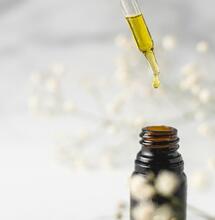
Hemp seed oil is derived from the seeds of the hemp plant, rich in nutrients and fatty acids like Omega-3 and Omega-6. Unlike other oils, hemp seeds contain only trace amounts of cannabinoids, making them perfect for nourishing both skin and hair.
What Are the Advantages of Using Hemp Seed Oil in Skincare?
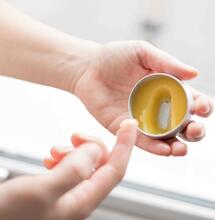
Hemp seed oil is versatile and can be directly applied to the skin, hair, and nails for its moisturizing and soothing effects. Here are some key benefits:
- Rich in Polyunsaturated Fatty Acids: Hemp oil contains a unique balance of Gamma-Linolenic Acid (Omega-6) and Alpha-Linolenic Acid (Omega-3) that promotes exceptional moisturizing and anti-inflammatory properties.
- Relief for Skin Ailments: It can help with dry skin, acne, eczema, psoriasis, and more.
- Moisturizing Benefits: Hemp seed oil is known to restore the skin barrier and lock in moisture, making it a remarkable solution for dry skin conditions.
Why Should You Consider Hemp for Your Skincare Routine?
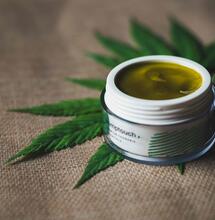
Hemp seed oil is not just a temporary relief; it’s an intense moisturizer thought to provide lasting comfort to tight, dry skin. Whether you’re seeking beauty treatment or relief from skin ailments, using hemp-infused products can enhance your skincare routine significantly.
In summary, incorporating hemp into your clothing and skincare routine not only supports sustainable practices but also delivers numerous health benefits. As the modern world seeks eco-friendly alternatives, hemp stands out as a clear winner.
More From Soft Secrets:
L
Liz Filmer