What's the Difference Between Hemp and Cannabis?
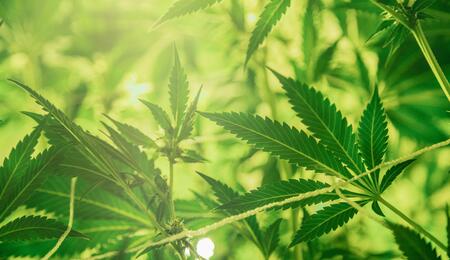
The difference is in breeding, genetics & cultivation
The difference between hemp and cannabis lies in breeding purpose, genetic parentage, and cultivation methods
So, What Makes Hemp, Hemp?
Hemp is one of the oldest domesticated crops and has been used by early civilizations for both industrial and medicinal purposes. Today, hemp has become a significant industry, with over $600 million worth of hemp products imported into the United States every year. China is the leading producer of hemp, followed by Chile and countries in the European Union. Researchers are continually discovering new applications for hemp, such as creating renewable plastics for the automotive industry. Furthermore, researchers at the University of Alberta have found ways to utilize hemp material in supercapacitors, which are batteries that charge almost instantly and do not degrade. How exciting is that?
Both hemp and cannabis originate from the same genus and species, "Cannabis sativa." The scientific distinction between the two is based on the purpose for which each strain was bred, their genetic lineage, and their cultivation methods.
Years of selective breeding have produced tall, resilient hemp strains that contain low levels of THC and higher levels of CBD. Hemp plants are primarily male, do not produce flowering buds, grow quickly outdoors, yield larger harvests, and develop long, strong stalks essential for creating hemp fibers.
What Makes Cannabis Different From Hemp?
In contrast, cannabis that is selectively bred for medicinal and recreational use is typically cultivated indoors. In this controlled environment, individual plants receive careful attention, and every factor that affects their growth and development is meticulously managed. This leads to the evolution of cannabis strains with enhanced characteristics and effects, resulting in higher levels of THC.
Cannabis is now more potent than ever. Through controlled environments and selective breeding, new hybrids of female flowering plants with large resin-filled glands have emerged. Cannabis strains can have THC levels ranging from 5% to 20%, while hemp must legally contain 0.3% THC or less.
What is the significance of the 0.3% threshold?
Essentially, it is arbitrary. Dr. Ernest Small, a botanical expert and advisor to the government, wrote an influential book titled "The Species Problem in Cannabis" in 1979. In this book, he defined hemp as cannabis flowers containing a THC level of 0.3% or less. However, he later acknowledged that many strains he experimented with for fiber and oil had higher THC levels than 0.3%. His decision was not based on which cannabis strains were agriculturally or psychoactively valuable; it was simply a random figure.
Small's definition was incorporated into U.S. law when the sale of foreign-produced hemp products was regulated, and remarkably, this standard is still in use today worldwide, with the exception of the EU, which employs an even lower threshold.
More From Soft Secrets:
Hemp-Derived Cannabinoids and Synthetic Cannabinoids Explained
The EU Plans to Recognise Hemp Flowers as an Agricultural Product
L
Liz Filmer