Sativa vs. Indica - Breaking Down the Myths
If you've ever walked into a dispensary or grow shop, you've likely heard the question: "Are you looking for Sativa or Indica?" For years, the general belief has been that Sativas are uplifting and energizing while Indicas are relaxing and calming. However, a groundbreaking study by researchers John McPartland and Ernest Small has revealed that we’ve been misunderstanding these terms for decades.
The Origins of Cannabis Classification
To truly grasp this mix-up, let's start with the history of cannabis:
- In 1753, botanist Carl Linnaeus classified the hemp plant as Cannabis sativa L.—a strain used in Europe for fiber production that doesn't produce a psychoactive high. This is the only true Sativa.
-In 1785, Jean-Baptiste Lamarck identified intoxicating cannabis samples from India, which he named Cannabis indica to distinguish them from European hemp.
The 20th Century Confusion
In the 20th century, the terms Sativa and Indica began to be used based on plant appearance rather than their geographic origins. McPartland and Small's research sheds light on this misconception:
1. Hemp (C. sativa subsp. sativa): Generally considered industrial hemp, this variety does not produce mind-altering effects. If someone offers you a "Sativa" that makes you feel high, it's likely a misrepresentation.
2. Market "Sativa" (NLD): The tall, thin-leaved plants typically linked to euphoric highs are part of the **Cannabis sativa subsp. indica var. indica** category, often sourced from southern India and Southeast Asia, referred to as Narrow-Leaf Drug (NLD).
3. Market "Indica" (BLD): The short, broad-leaved plants associated with relaxation belong to the Cannabis sativa subsp. Indica var. afghanica** variety, native to Afghanistan, and known as Broad-Leaf Drug (BLD)
4. Ruderalis (C. sativa subsp. ruderalis): This includes wild cannabis plants from Central Asia, which are ancestors of many autoflowering strains we enjoy today.
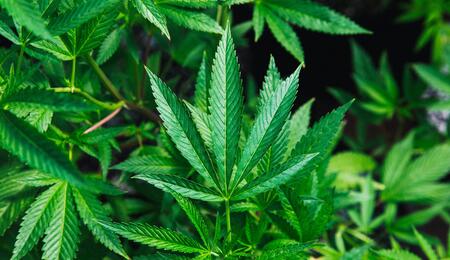
Why does the Leaf Shape of Cannabis Matter?
The different leaf shapes of cannabis plants serve important survival functions:
- Broad-leafed varieties (BLD) have evolved to absorb maximum sunlight during short growing seasons, producing thick resin for protection against environmental extremes.
- Narrow-leafed varieties (NLD) have adapted to humid conditions, using their thinner leaves to avoid issues with mold.
What is the Role of THC, CBD, and Terpenes?
Another prevalent misconception is that Indicas are high in CBD while Sativas boast higher THC levels. In truth, both varieties can be bred for elevated THC content. The differing effects—whether energizing or sedating—are largely influenced by **terpenes**, the aromatic compounds found in cannabis. For instance:
- Myrcene is often linked to the calming effects associated with Indicas.
- Limonene and **pinene** contribute to the uplifting sensations associated with Sativas.
Moving Beyond Sativa and Indica Labels
The traditional labels of Sativa and Indica were helpful in basic cannabis understanding, but they are becoming outdated as the industry evolves toward more refined medical and recreational applications.
Recognizing that nearly all cannabis cultivars can be classified as Indicas doesn’t diminish their appeal. Instead, it shifts our focus to understanding the specific chemical profiles of cannabis. The future lies in embracing the complexity of cannabis effects—rooted not just in leaf shape but in a rich tapestry of compounds that shape our experiences.
By better understanding the science behind cannabis, consumers can make informed choices that align with their desired effects.
More From Soft Secrets:
Hemp CBD or Cannabis-Derived CBD
L
Liz Filmer