What Gives Cannabis Its Distinctive Smell?
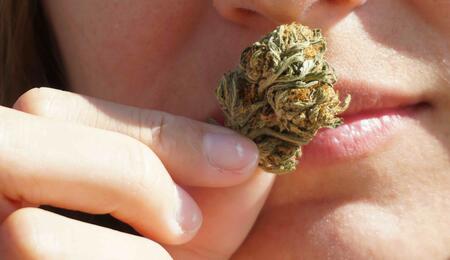
Cannabis is known for its wide range of scents, which can be floral, fruity, or earthy. While everyone has their favorite aromas, one thing is certain: cannabis should have a strong, distinct smell, regardless of the subtle variations.
But what exactly contributes to this characteristic “weed smell”? Is it due to a high terpene content, a specific combination of terpenes, or is there more to it?
What Are Terpenes?
Terpenes are aromatic compounds found in the essential oils of cannabis plants, and they are considered the primary contributors to the plant's scent. While terpenes are a key factor, no single cannabis terpene produces the intense weed smell on its own. For instance, myrcene has an earthy aroma, limonene is citrus-scented, and pinene smells like pine. None of these scents are particularly skunky.
The prevailing theory is that the strong weed smell results from a complex combination of terpenes acting in synergy.
Alternatively, some researchers suggest that the powerful skunky odor may come from a different class of volatile compounds known as Volatile Sulfur Compounds (VSCs), which can be produced by cannabis.
VSCs in Nature
Skunks are infamous for their strong-smelling spray, which they use for defense. This “skunk” odor is reminiscent of the sharp aroma often associated with cannabis. This distinct scent primarily comes from Volatile Sulfur Compounds (VSCs). VSCs are highly volatile and can be detected by the human nose even in extremely small amounts.
These compounds are responsible for the pungent scents of various plants, including hops and garlic, and they are also present in cannabis.
Which Strains Have the Highest VSC Content?
The concentration of VSCs in cannabis varies widely among different strains. Strains with high VSC content are particularly pungent, including various Gelato and OG strains.
While VSCs are classified separately from terpenes, their levels appear to correlate with terpene profiles. A study conducted by Leafly in collaboration with the University of Colorado analyzed tens of thousands of cannabis strain samples for their terpene profiles.
The research identified three major "superfamilies" of high-THC cannabis cultivars based on their terpene profiles. One of these families, characterized by high levels of terpinolene, tends to have low VSC content. This group includes many Sativa strains, such as Jack Herer and Lemon Haze, as well as "Golden" strains like Golden Pineapple.
In contrast, cannabis strains with higher concentrations of β-caryophyllene and limonene—including strains like Gelato, GSC, GG4, and most OG strains—tend to have elevated VSC levels.
Recent studies have also shown that VSC levels in cannabis peak after the flowers are dried and cured, then decrease rapidly afterward. This may explain why the distinct aroma of dried cannabis diminishes quickly if not properly stored, and it also allows users to assess the freshness of cannabis based on its smell.
Do VSCs Have Psychoactive Effects or Medical Value?
Currently, it is unclear whether VSCs in cannabis influence its psychoactive effects or possess any medicinal value. Because they exist in such low concentrations, they have largely been overlooked until recently. Understanding their medicinal properties and exploring whether they contribute to the psychoactive or therapeutic effects of cannabis is an important area for future research.
More From Soft Secrets:
L
Liz Filmer